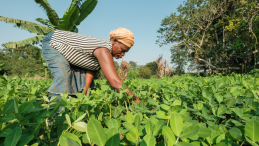


Agriculture sustains billions of people worldwide – but it also places growing pressure on the environment. Today’s global food system produces vast quantities of crops each year, yet it relies heavily on chemical fertilizers and pesticides that degrade soils, reduce biodiversity and harm human health over time. Though widely used to meet rising demand, these inputs are not sustainable in the long run and contribute to climate change. As these risks become more apparent, organic farming is gaining attention as a more sustainable alternative, aligning food production more closely with natural processes.
Here are five benefits of organic farming, and how to promote them:
Reduces the environmental impacts of pesticides
Weeds and pests are a major challenge in agriculture, competing with crops for water, sunlight and nutrients while increasing vulnerability to disease. Conventional farming often relies on chemical pesticides to manage these threats – solutions that can contaminate soils, harm biodiversity, and pose risks to human health. Organic farming takes a different approach, such as using plant-based pesticides, crop rotation, water management and natural ecosystem functions. Rigorous water management and new monitoring technologies are key to ensuring pesticides decrease in our environment.
Promotes healthier, nutrient-rich soils
In addition to limiting pesticides, organic farming reduces the need for synthetic fertilizers. Conventional agriculture relies on these inputs to supply key nutrients such as nitrogen, phosphorus and potassium, but their overuse can contribute to soil degradation over time. Organic methods instead use natural inputs such as compost, manure and crop residues. These increase soil organic matter – made up of living and decaying plant and animal material – which is essential for soil fertility. As this material decomposes, it releases nutrients back into the soil. Local production of organic fertilizer from endemic plants and recycled materials is key for sustainable access for farmers and lowering supply chain emissions.
Protects water quality and improves water efficiency
Organic farming plays an important role in reducing water pollution from agriculture. In conventional systems, synthetic fertilizers and pesticides can seep into groundwater and run off into rivers and lakes, affecting drinking water quality and ecosystems. By avoiding these inputs, organic farming helps protect water sources, with studies showing improved water quality in surrounding areas. Organic farming methods using aquatic plants to help filter wastewater can not only help with improving water quality, but also promote biodiversity restoration.
Minimizes risks to human health
Chemicals used in conventional farming have been linked to both acute and chronic health risks, including respiratory, neurological and other long-term illnesses. Farmers are particularly vulnerable through skin contact, inhalation or ingestion, while consumers may also be exposed through pesticide residues on food. Organic farming reduces these risks by limiting the use of synthetic chemicals. In addition, organically grown crops are often found to contain higher levels of certain micronutrients. For example, studies on organic rice farming have shown increased levels of iron, manganese and zinc.
Strengthens livelihoods and climate resilience
Organic farming can provide important economic and social benefits for farmers, with growing consumer demand supporting higher incomes. It also reduces reliance on imported chemical inputs that are vulnerable to price and supply shock during times crisis, instead using locally available resources such as manure, crop residues and biomass. Research from the OrganoRice project in the Mekong Delta, Vietnam suggests that rice grown in organic systems can be more resilient to rising temperatures, floods and droughts, supporting more climate-resilient farming systems.
Suggested citation: "5 Benefits of Organic Farming ," United Nations University, UNU-EHS, 2026-04-17, https://unu.edu/ehs/article/5-benefits-organic-farming.