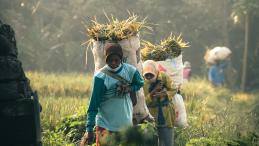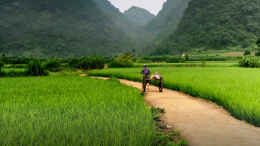


This thematic series focuses on socio-ecological production landscapes (SEPLS) — integrated landscape and seascape systems shaped by long-term interactions between people and nature. Across the globe, SEPLS are maintaining biodiversity and supporting local livelihoods, cultural values and sustainable resource management.
Drawing on UNU-IAS research with national and international partners, the series translates scientific evidence into actionable guidance for strengthening landscape resilience, biodiversity conservation, inclusive governance and sustainable livelihoods. The evidence base includes spatial analyses, ecosystem services assessments, resilience indicators, ethnographic studies and comparative case studies.
It aims to support policymakers and practitioners in implementing the Kunming–Montreal Global Biodiversity Framework, National Biodiversity Strategies and Action Plans, recommendations of the Intergovernmental Science–Policy Platform on Biodiversity and Ecosystem Services (IPBES), and the objectives of the Satoyama Initiative.