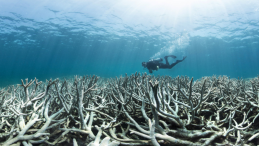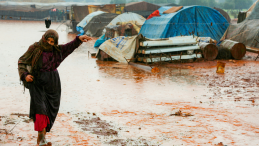


You may have heard the term El Niño mentioned more often in weather reports recently. It is an important climate phenomenon that can shape weather patterns across the globe, bringing floods, droughts, heatwaves and storms to different regions. Occurring every two to seven years, El Niño events can be forecast several months in advance, although their timing and intensity remain difficult to predict and their impacts can be severe.
The name El Niño, Spanish for “little boy”, was first used by fishermen along the Pacific coast of South America in the 1600s. They noticed that every few years warmer ocean waters would appear, disrupting fisheries and bringing intense rainfall and storms.
Scientifically, is part of a larger climate pattern known as the El Niño-Southern Oscillation (ENSO). It occurs when surface waters in the central and eastern Pacific Ocean become unusually warm.
Under normal conditions, trade winds push warm surface water westward across the Pacific Ocean toward Asia and Australia. During an El Niño event, these winds weaken. As a result, warm water shifts eastward toward the west coast of the Americas, changing atmospheric circulation and weather patterns around the world.
South America often experiences some of the strongest impacts. Coastal areas in countries such as Peru and Ecuador can see heavy rainfall, increasing the risks of flooding and landslides. At the same time, parts of the Amazon may face drought conditions that increase wildfire risk.
But El Niño does not only affect the Pacific region. Its influence can extend across continents.
In North America, El Niño is often linked to warmer and drier winters in Canada and the northern United States, while the southern United States and parts of Mexico may experience wetter and stormier conditions. In Australia and Southeast Asia, El Niño frequently brings hotter temperatures, reduced rainfall and increased drought, raising the likelihood of wildfires and water shortages.
In Africa, El Niño impacts are highly variable, but it is often linked to drought in parts of southern and eastern Africa, while some regions may experience wetter conditions
El Niño is also closely connected to La Niña, its cooler counterpart that is also a part of ENSO. During La Niña events, Pacific Ocean temperatures become cooler than average, often leading to opposite weather effects in many regions.
El Niño in a warming world
El Niño is once again in the spotlight as scientists monitor signs of its possible return. According to the World Meteorological Organization (WMO), rising ocean temperatures indicate the potential beginning of an event during the middle part of 2026.
Understanding El Niño is important because it helps governments, communities and industries prepare for shifts in weather patterns that can affect food production, water supplies, health systems and infrastructure.
In recent years, researchers have also become increasingly concerned about how it interacts with climate change. El Niño itself is a natural climate pattern. However, human-induced climate change is warming our atmosphere and oceans, which can intensify some of El Niño's impacts.
For example, when an El Niño event occurs during a period of already high global temperatures, it can contribute to record-breaking heat. It can increase the likelihood of heavier rainfall and flooding in some regions, while hotter conditions can worsen droughts and wildfires in others. El Niño years are also often associated with higher global average temperatures because additional ocean heat is transferred into the atmosphere.
Scientists are still studying exactly how climate change may influence future events. But many warn that the combination of natural climate variability and human-caused warming could lead to more extreme weather impacts worldwide.
As climate risks continue to grow, understanding phenomena like El Niño is becoming increasingly important – not only for predicting the weather, but for helping societies prepare for an uncertain future.
Suggested citation: "What is El Niño? And Why Does It Matter in a Warming World? ," United Nations University, UNU-EHS, 2026-05-13, https://unu.edu/ehs/article/what-el-nino-and-why-does-it-matter-warming-world.