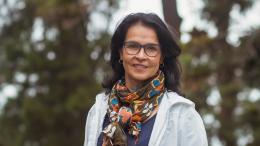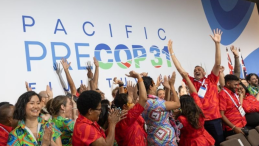


This Bee Day, UNU-BIOLAC highlights the inspiring work of Dr. Patricia Vit, a distinguished Venezuelan scientist and member of our 2025 fellowship cohort, whose career has helped bridge biotechnology, ecology, and culture through the study of stingless bees.
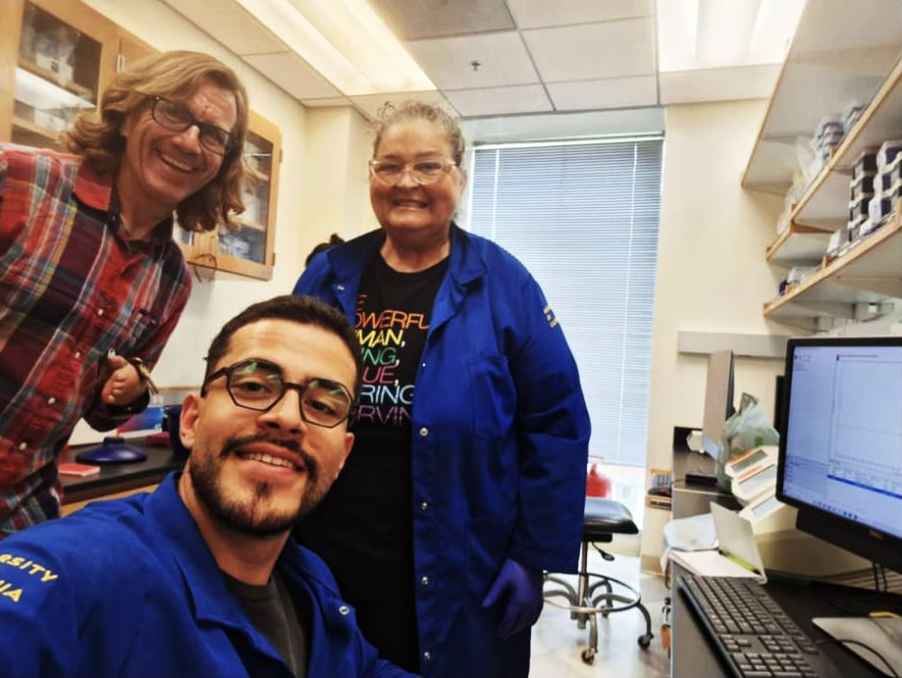
During her UNU-BIOLAC fellowship, Dr. Vit advanced research on the microbiome of stingless bee nests, exploring its potential as a source of anti-antimicrobial resistance (anti-AMR) agents. This work is rooted in the urgent global need to identify new bioactive compounds, emphasizing how the unique microbial ecosystems associated with meliponine bees can contribute to both human health and biodiversity conservation. She's integrating molecular science with traditional ecological knowledge to uncover innovative, nature-based solutions.
Dr. Vit's contributions go far beyond the laboratory. Over decades, she has championed the study and protection of stingless bees across Venezuela and the Americas, while actively promoting academic engagement in local communities. One of her most impactful initiatives took place in the Atures Municipality (Amazonas, Venezuela), where her academic outreach on meliponiculture captured the attention of then-mayor José Moreno. Inspired by this work, the municipality was officially declared the first sanctuary for stingless bees in Venezuela on July 4, 2024.
This story continued to flourish through knowledge dissemination and creativity. Dr. Vit authored a book documenting the sanctuary initiative, and—to honor the significance of the declaration—she put together a culinary e-book celebrating the biodiversity and cultural value of stingless bee products. As she reflects:
I was very moved by the declaration of Municipio Atures as a sanctuary for stingless bees… and wrote this e-book to celebrate Major José Moreno's kindness …
That heartfelt publication, shared through UNU-BIOLAC, reached an unexpected global audience. Édouard Cointreau discovered it, ultimately earning the 2025 Gourmand Award for Best Honey Cooking Book in the World—not just for the quality of the recipes, but also because it is science transcending disciplines by connecting to gastronomy, biodiversity, and cultural heritage.
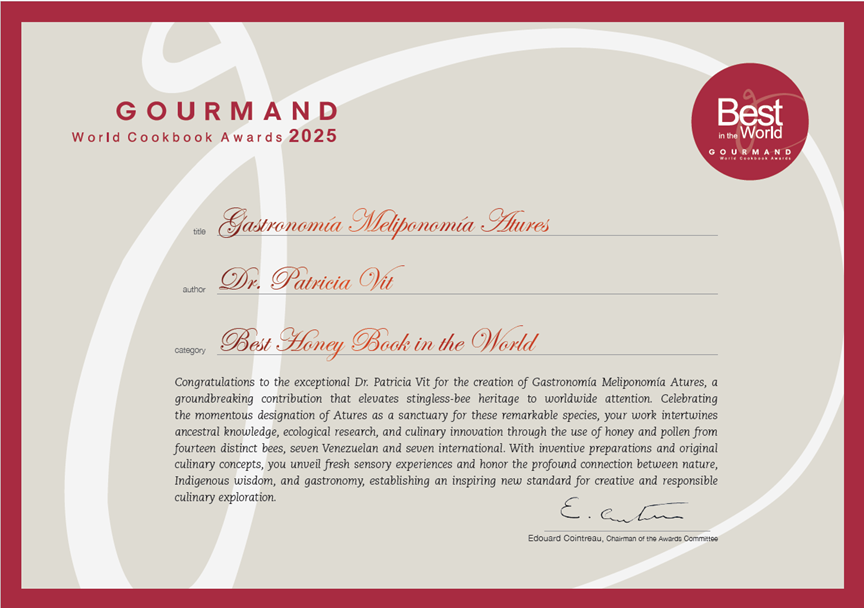
In parallel, Dr. Vit continues to contribute to high-impact scientific literature. A book she edited on the cerumen and propolis of stingless bee nests was awarded the 2025 Apimondia Gold Medal for Scientific Book of the Year. She is currently preparing a new volume focusing on bioactive compounds from stingless bee microbiomes, further reinforcing her leadership in this field.
Today, we celebrate Dr. Patricia Vit's extraordinary journey, which showcases how molecular science, conservation, and community engagement are deeply interconnected, and that protecting pollinators is not only a matter of ecology but also of culture, innovation, and global resilience.
We'd also like to thank Patricia's hosting tutors during her fellowship at UC Riverside, Quinn McFrederick and Jason E. Stajich.
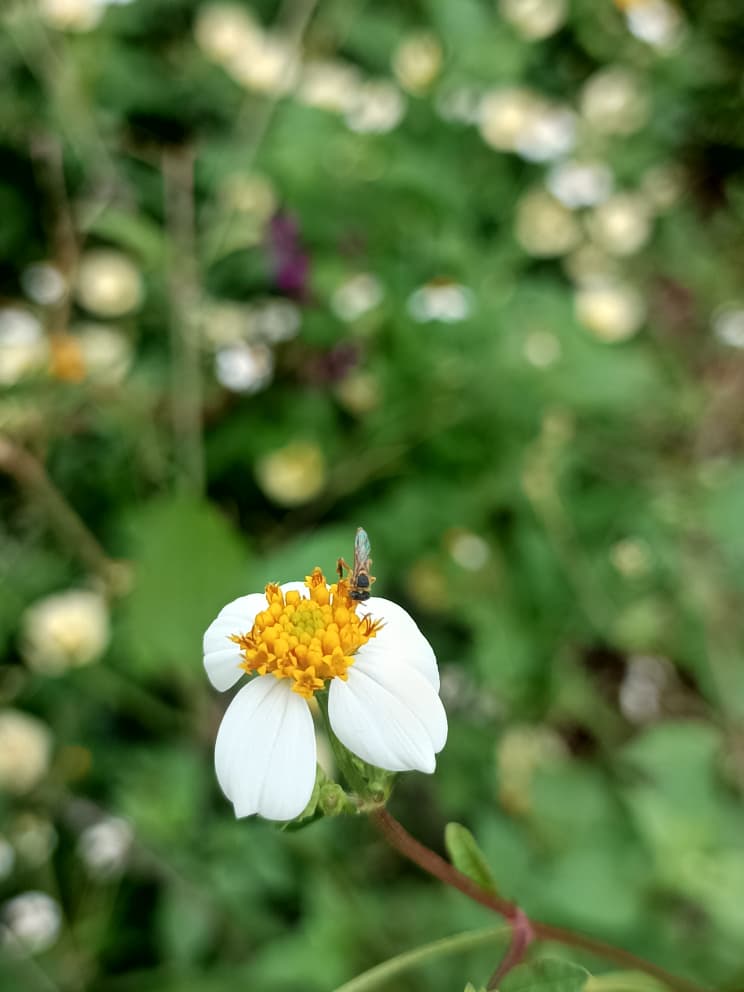
Photo: Samuel Ortiz
Reserva Ecológica Guáquira.


Suggested citation: "World Bee Day 2026: Biotechnology, Food and Culture," UNU-BIOLAC (blog), 2026-05-19, 2026, https://unu.edu/biolac/blog-post/world-bee-day-2026-biotechnology-food-and-culture.