

Nairobi, Kenya, 23 September 2026 – The United Nations University Institute for Water, Environment and Health (UNU-INWEH), in collaboration with the United Nations Environment Programme (UNEP), convened the Strengthening Surveillance at Major Transport Hubs workshop under the auspices of the Wastewater Surveillance for Africa Initiative from 21 to 23 September 2026 at the United Nations Office at Nairobi (UNON).
The workshop was supported by the European Commission’s Health Emergency Preparedness and Response Authority (HERA) and brought together participants from 19 countries.
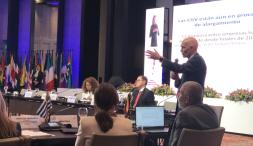
Opening remarks were delivered by high-level representatives of the Kenyan ministries of Health and Environment as well as key partners and co-organisers including Prof. Kaveh Madani, Director of UNU-INWEH, Mr. Alex Pires on behalf of Ms. Doreen Lyn Robinson, Deputy Director of UNEP’s Ecosystems Division, Ms. Anastasia Koutsolioutsou, Policy Officer at DG HERA, and Ms. Joy Ebonwu, Senior Technical Officer for Wastewater and Environmental Surveillance at Africa CDC.
Watch Professor Kaveh Madani’s opening remarks
“Effective wastewater and environmental surveillance brings together water, environment, public health, science and policy, and it is by connecting these different areas of expertise that we can turn data and evidence into meaningful and timely action,” said Professor Madani in his opening remarks.
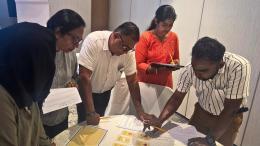
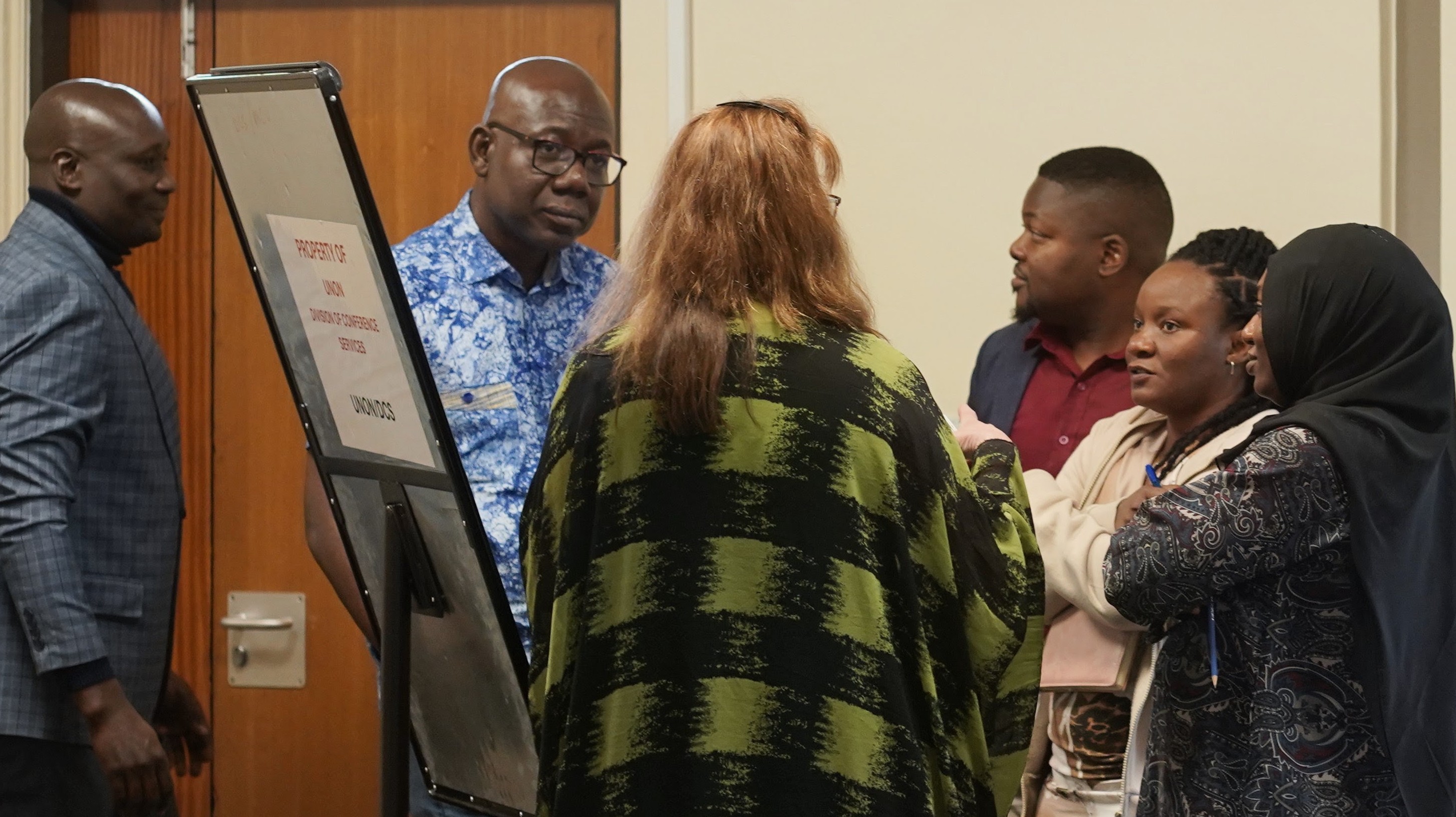
The workshop featured interactive sessions on wastewater and environmental surveillance (WES), allowing participants to discuss practical approaches, identify country-specific challenges and explore opportunities to strengthen surveillance at points of entry.
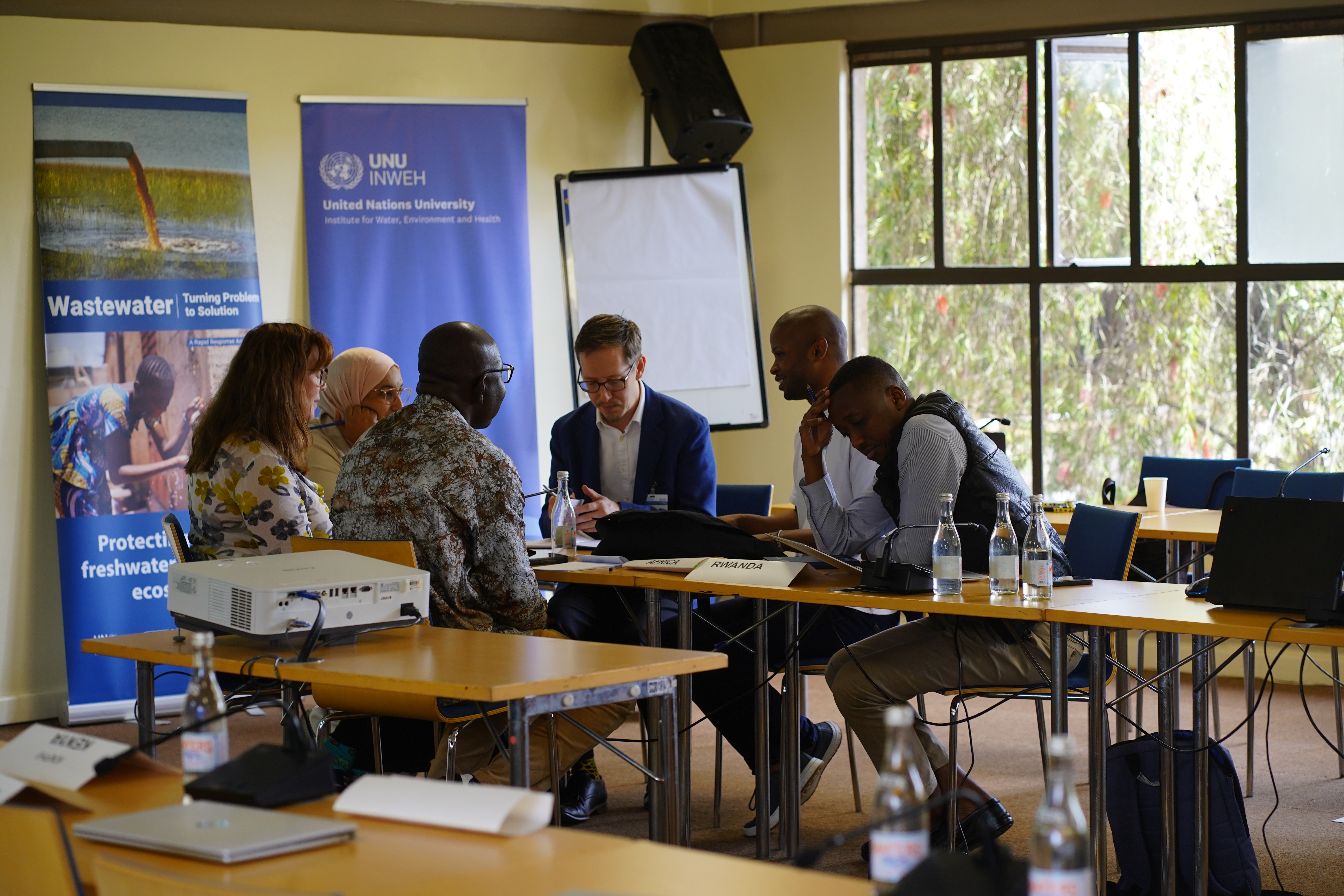
Ms. Tariro Mbiba of UNU-INWEH presented the WES e-learning course under development by UNU-INWEH and UNEP.
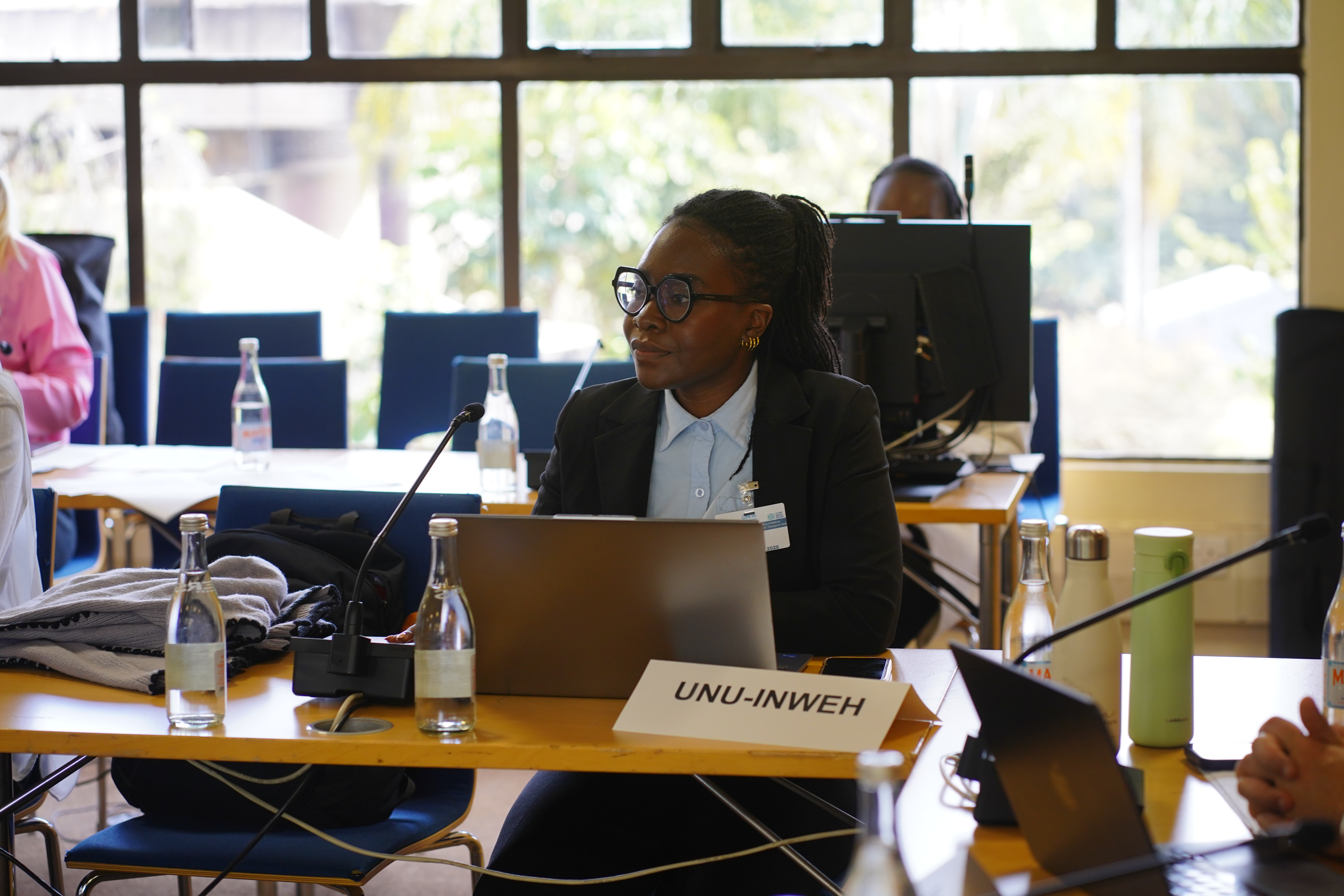
The workshop also introduced resources to support wastewater and environmental surveillance, including the GLOWACON Aviation Guidance and the UNEP Compendium. The discussions will help ensure that these resources reflect operational realities and support countries seeking to develop or strengthen surveillance systems at points of entry.
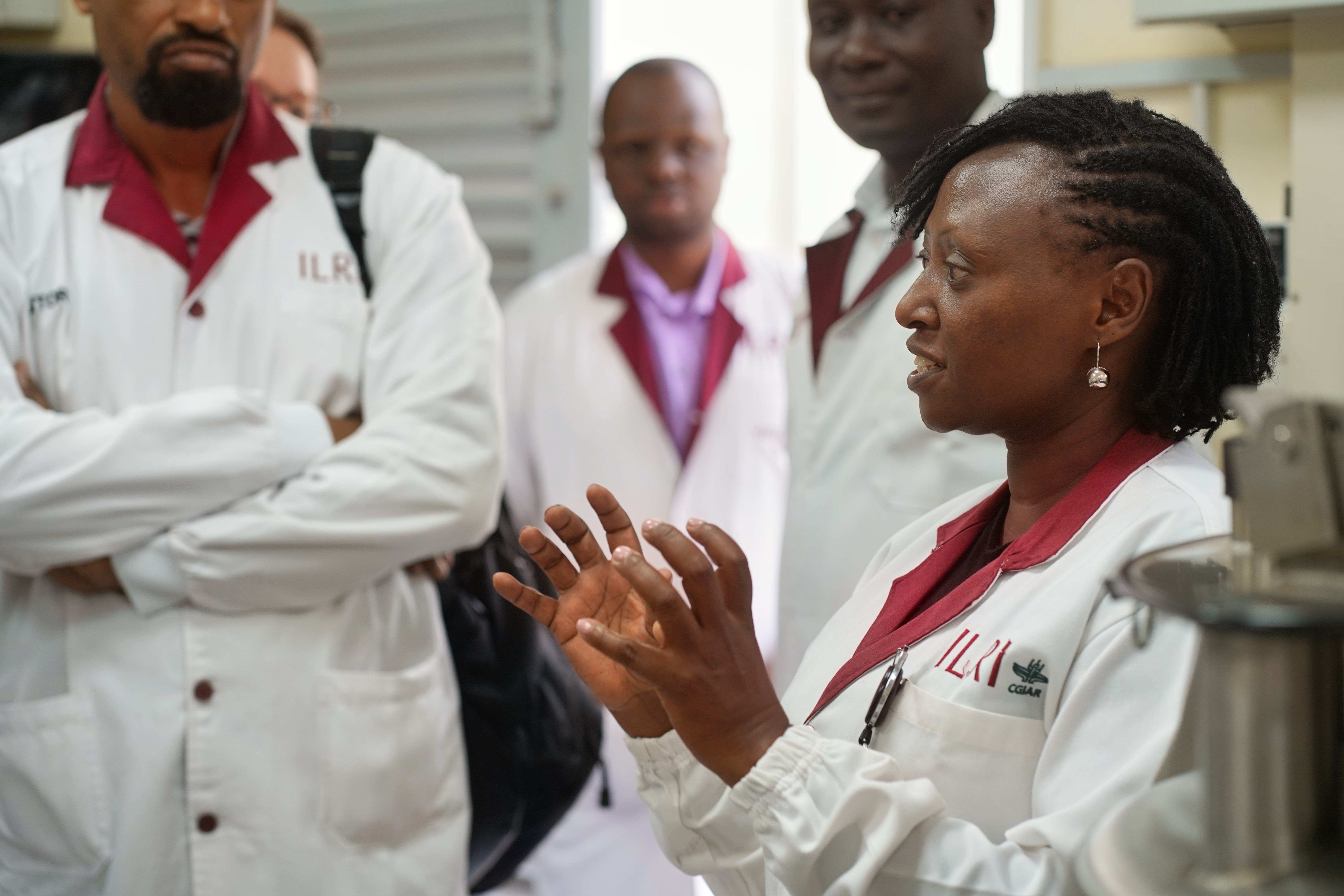
Participants also visited the International Livestock Research Institute (ILRI) campus in Nairobi to learn about relevant laboratory facilities and surveillance activities.
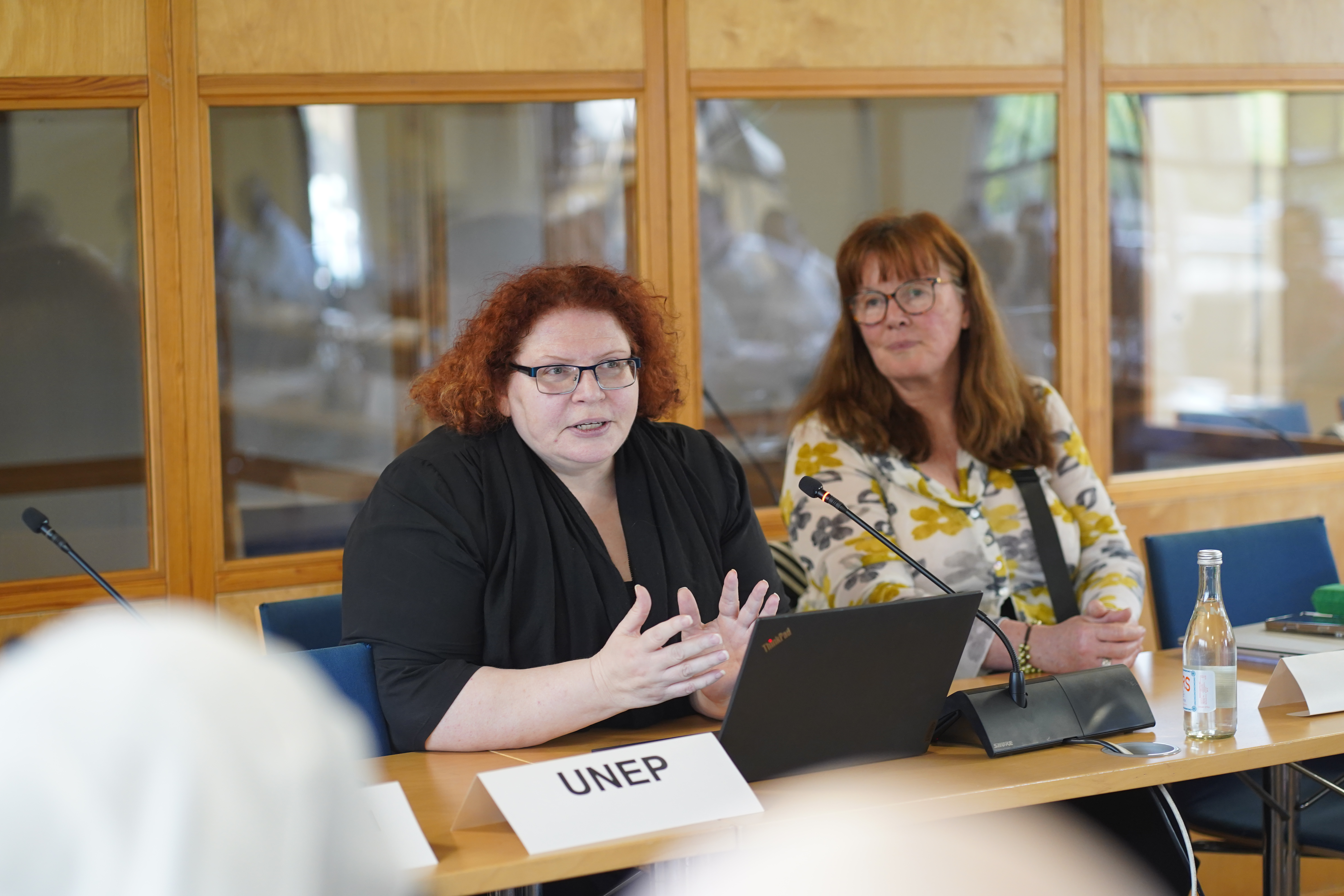
Closing remarks were delivered by Ms. Heidi Savelli-Soderberg of UNEP, who highlighted the importance of continued collaboration and coordinated efforts to strengthen wastewater and environmental surveillance.
At the end of the workshop, participants received certificates in recognition of their participation.
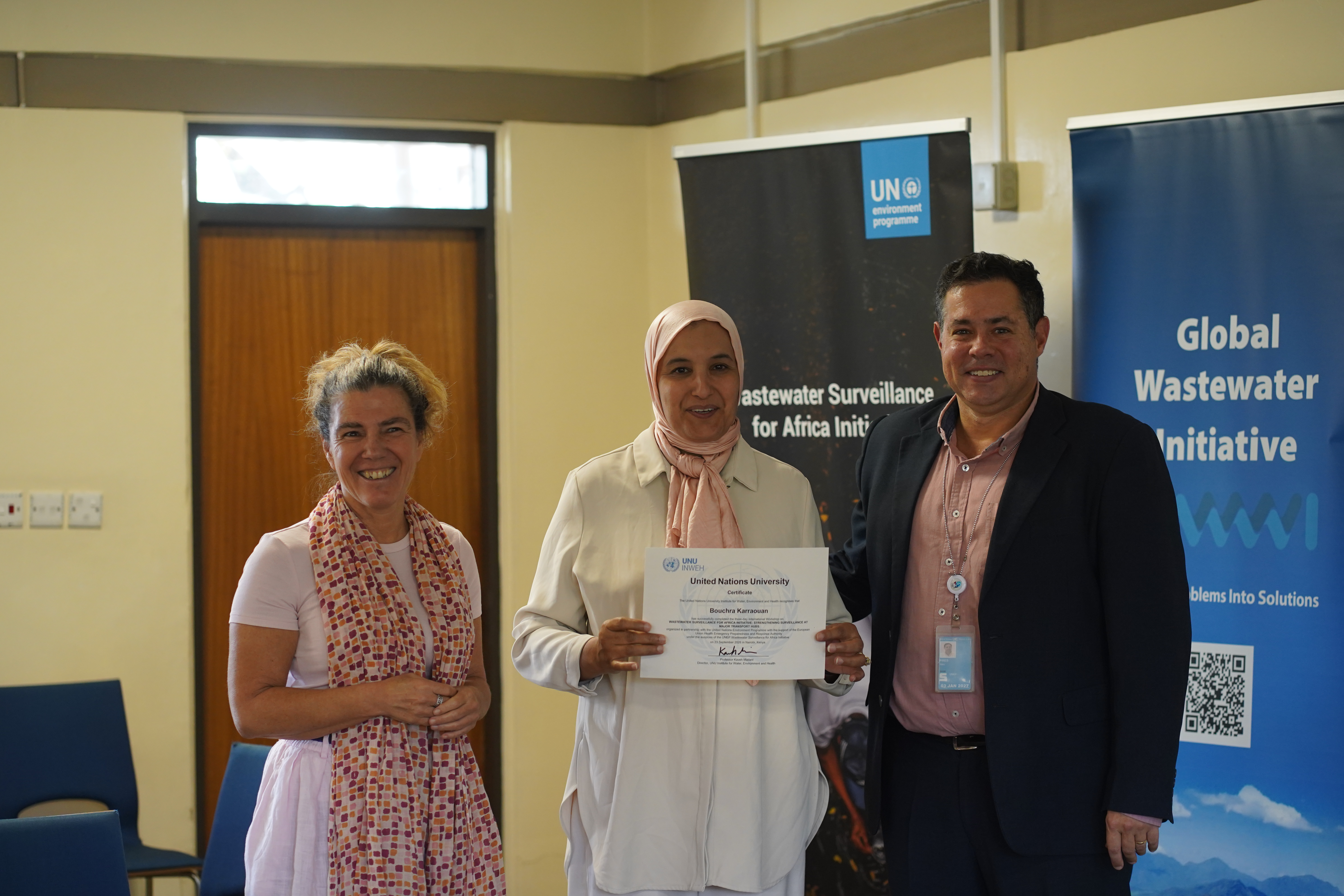
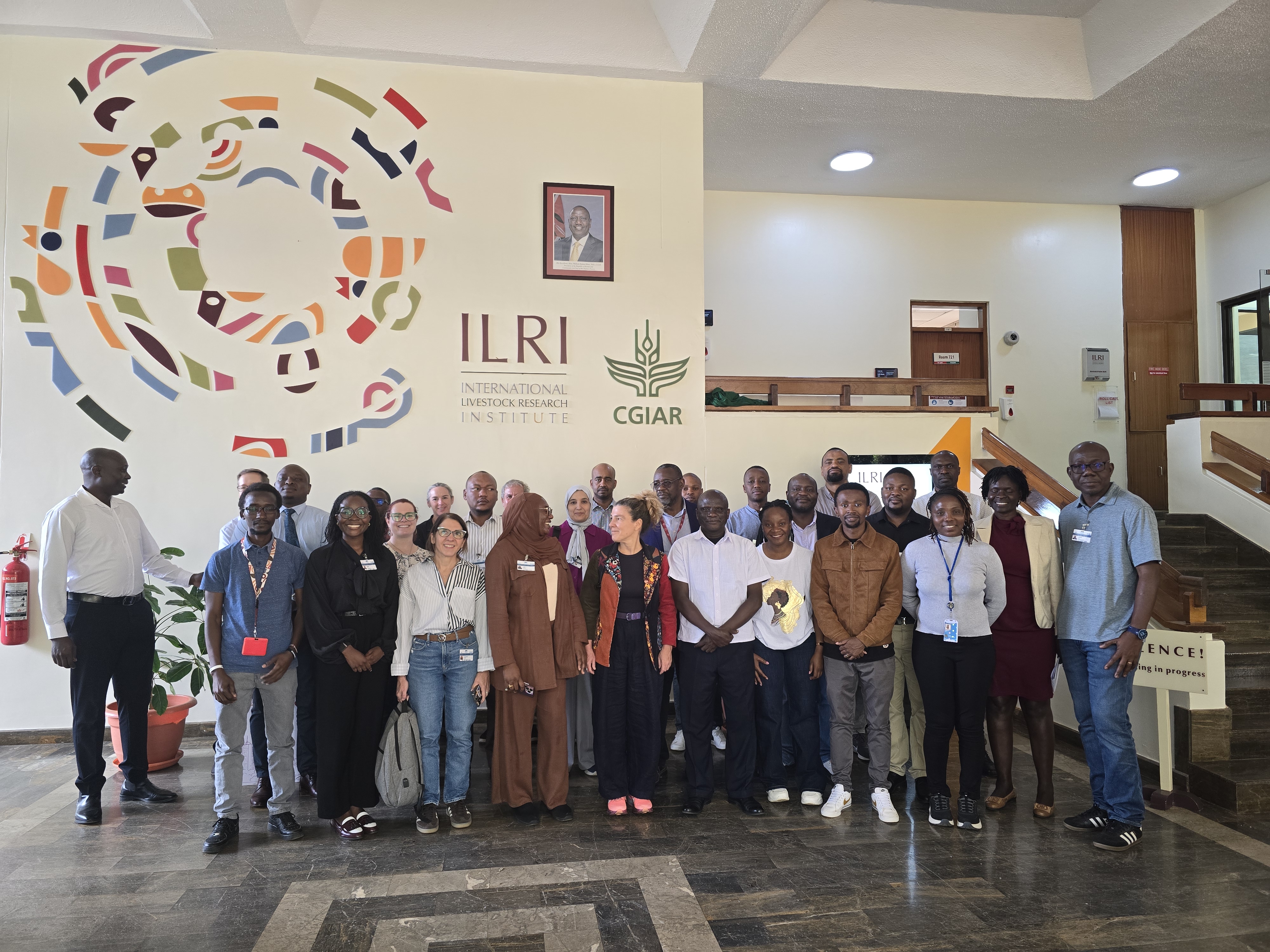
Photo credit: © Geraldine Deblon, UNEP