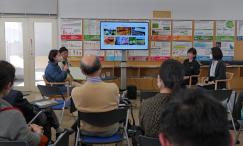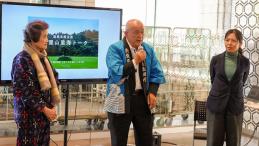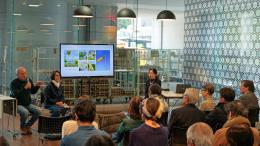


On 28 March 2026, UNU-IAS Operating Unit Ishikawa/Kanazawa (UNU-IAS OUIK) organized the fifth in a series of events exploring disaster recovery efforts in Noto Peninsula, Ishikawa Prefecture, Japan, with a focus on satoyama and satoumi— dynamic mosaics of landscapes and seascapes where harmonious interactions between people and nature maintain biodiversity while supporting human livelihoods and well-being in a sustainable manner. The event discussed the role of traditional culture in sustaining community life and advancing post-disaster recovery on Notojima Island in Nanao City.
Moderated by Yoko Tomita (Programme Coordinator, UNU-IAS OUIK), a panel session explored the interconnections between livelihoods, culture and the environment. Panelists Masahiro Takahashi (Notojimamirai Co., Ltd.), Kanako Sakai (Nanao City Local Vitalization Coordinator) and Sayako Koyama (Research Associate, UNU-IAS OUIK) discussed farming and fishing practices in Ishikawa Prefecture informed by traditional knowledge that emphasize a close relationship with nature, such as using snowmelt for irrigation. They stressed that local festivals are closely linked to traditional livelihoods and ecological stewardship, and maintain collective memory and cultural identity.
Speakers noted current challenges to preserving these traditions, including population decline, and emphasized the importance of continued engagement from outside the region in supporting recovery and rediscovering local strengths. They concluded that traditional knowledge rooted in everyday practices can contribute to long-term resilience and offer insights on building sustainable societies.