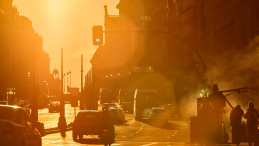


The world is getting hotter, but there is a limit to how much heat the human body can endure. One important measure of this limit is wet-bulb temperature (WBT), which combines heat and humidity to show how effectively the body can cool itself through sweat.
At a wet-bulb temperature of 35°C, the human body can no longer cool itself, even in the shade with access to water. Prolonged exposure to these conditions can quickly become life-threatening.
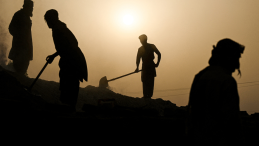
The Interconnected Disaster Risks 2023 report by UNU-EHS identifies extreme heat and wet-bulb temperature as one of six global “risk tipping points” the world is approaching. According to the report, exposure to wet-bulb temperatures above 35°C for more than six hours can cause severe health impacts even for a healthy young adult resting in shaded and ventilated conditions. For older people, outdoor workers or people with certain medical conditions, dangerous impacts can occur at much lower temperatures.
Extreme heat is already a major public health threat, causing an estimated 500,000 excess deaths annually over the past two decades. A 35°C wet-bulb temperature for longer than 6 hours represents the upper limit of human survivability, but harmful impacts are often felt long before this threshold is reached.
As global temperatures rise due to greenhouse gas emissions, scientists are increasingly concerned about the risk of more places reaching this dangerous threshold.
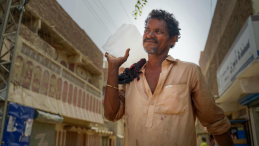
Some regions are particularly vulnerable. Research suggests that parts of South Asia and the Middle East could regularly exceed the wet-bulb threshold by 2070 if warming continues. Jacobabad, Pakistan – often described as one of the hottest cities on Earth – has already experienced such conditions multiple times since 2010.
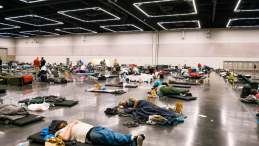
Extreme heat also deepens inequality. Vulnerable groups are often hit hardest because they have fewer resources to cope with dangerous temperatures. Many people lack access to air conditioning, reliable electricity, clean water or shaded areas.
What does it mean for adaptation?
Adapting to extreme heat is not straightforward. Discussions often focus on whether people will eventually have to move away from areas becoming too hot to live in safely. Yet many people cannot simply relocate because of work, family ties, financial limitations, political barriers or disabilities.
This means adaptation measures must also focus on improving the places where people already live.
One important starting point is urban planning. Cities need detailed local data to better understand where heat risks are highest and which communities are most exposed. This can help guide investments in cooling infrastructure and public health measures.
Cooling strategies generally fall into two categories: active and passive cooling.
Active cooling relies on technologies such as electric fans and air conditioning. While air conditioning can protect people during extreme heat, it also presents challenges. Increased energy demand during heatwaves can overload electricity grids and can contribute to greenhouse gas emissions if powered by fossil fuels.
Passive cooling, by contrast, reduces heat without relying heavily on electricity. Reflective surfaces, such as white roofs or light-coloured pavements, absorb less heat, while trees, vegetation and water features can cool urban spaces and improve quality of life.
Some cities are beginning to rethink urban design more fundamentally. The “sponge city” concept, aims to make cities more resilient by working with nature rather than against it. Parks and green areas are designed to absorb rainwater, reduce flooding and provide cooling shade.
Adaptation also goes beyond physical infrastructure. Researchers and public health experts increasingly emphasize community-based approaches, such as programmes that encourage people to check on neighbours during heatwaves and expand access to healthcare services.
Rising heat could also reshape how societies organize work and public life. Outdoor labour may need to shift to cooler hours. Some countries in the Persian Gulf already prohibit outdoor work from noon to 3 p.m. in the summer.
Even global sporting events, like the FIFA World Cup, have had to adjust for rising heat. The 2022 World Cup in Qatar was moved from summer to winter over concerns for heat. This year’s games in the United States, Canada and Mexico are also expected to be dangerous. According to World Weather Attribution, around one quarter of the games are likely to be played under heat conditions that pose a threat to both players and fans alike.
Ultimately, the most effective way to reduce the risks of extreme heat and avoid reaching dangerous wet-bulb temperatures is to rapidly reduce greenhouse gas emissions and phase out fossil fuels.
Suggested citation: "What is Wet-Bulb Temperature and Why Does It Matter? ," United Nations University, UNU-EHS, 2026-06-01, https://unu.edu/ehs/article/what-wet-bulb-temperature-and-why-does-it-matter.