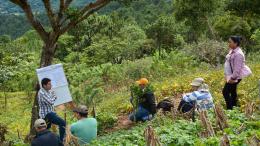


Modern agriculture, heavily dependent on agrotoxics, has inadvertently driven the selection of crop cultivars that perform well only under intensive chemical inputs, often at the expense of their own defense mechanisms. A growing line of research in sustainable agriculture seeks to reverse this trend by understanding, recovering, and reintegrating plant chemical defenses into commercial varieties.
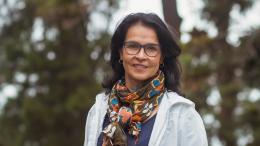
During her fellowship, Vanessa Mayorga focused on strengthening the methodological and analytical foundations for studying natural resistance in potatoes, one of the world’s most important food crops. Her work centered on the study of volatile and secondary metabolites involved in plant–insect interactions, with particular attention to how these compounds shape resistance to pests. Through advanced training in chemical ecology, phytochemical analysis, and insect behavior assays, she developed transferable methodologies that can later be applied to Peruvian potato varieties. This work lays the groundwork for identifying chemical markers of resistance that could guide breeding strategies.
We thank Dr. Massuo Jorge Kato and the Natural Products Chemistry Laboratory at the University of São Paulo for hosting and guiding the research, as well as Madina Mansurova and the Pontifical Catholic University of Peru for their academic support at the sending institution. This fellowship stands as a clear example of how international collaboration in methodological training can strengthen regional research capacity to advance environmentally responsible crop improvement strategies.