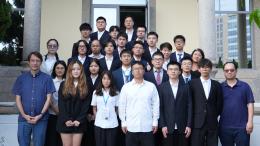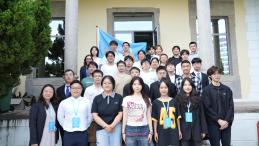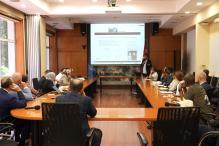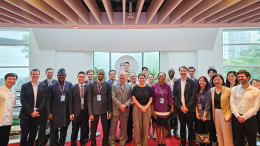


The UNU Digital Technology and Sustainable Development Talent Program (UNDSDP) is a training initiative of the United Nations University Institute in Macau (UNU Macau). Designed to bridge research and practice, the programme shares policy-relevant insights on digital technology and sustainable development while cultivating a new generation of globally minded talent for international organizations.
The Youth Scholar Training Camp is tailored for young scholars currently enrolled in higher education or in the early stages of their research careers. This immersive experience nurtures strategic thinking, leadership potential, and research capabilities in digital technology and sustainable development.
Participants will take part in a one-week, in-person training programme in Macau. During the programme, they will:
- Gain exposure to the United Nations system and explore career pathways within international organizations working at the intersection of technology, development, and governance.
- Participate in lectures and interactive workshops examining the role of digital technologies, particularly artificial intelligence, in sustainable development and public policy.
- Develop an understanding of policy-oriented research from the perspective of a United Nations research institute, including how evidence is generated and translated into policy-relevant insights.
- Collaborate in guided group work to analyze real-world development and policy challenges related to AI, work, and the Sustainable Development Goals.
- Produce and present a group-based policy-relevant output, such as a short analytical blog and presentation, to peers and facilitators.
- Build professional networks and form an alumni community with fellow participants.
- Publish blogs on the UNU Macau website.
Digital Technology and Sustainable Development in the Age of AI
Digital technology is increasingly shaping how societies work, govern, and pursue sustainable development. From labour markets and education systems to public services and media, emerging technologies such as AI are influencing not only technological practices but also policy priorities, institutional responses, and social outcomes. Alongside opportunities for innovation and productivity, these shifts raise pressing development questions related to equity, access, job quality, ethics, and well-being. For policymakers and development practitioners, understanding how these technologies operate, who they affect, and with what consequences has become essential.
This training programme examines these issues through a policy-oriented research lens, focusing on how AI is transforming work, skills, and development trajectories across diverse social and economic contexts. Participants are introduced to key policy debates, analytical frameworks, and research approaches used within the United Nations system to assess the opportunities and risks associated with AI-driven change. Through a combination of lectures, applied workshops, and group-based projects, the programme connects conceptual understanding with real-world policy challenges linked to digital technology and the Sustainable Development Goals.
The programme also emphasizes practical skill-building. Participants learn how AI can be used responsibly as a research and analytical tool, engage with ethical and governance considerations surrounding emerging technologies, and explore concrete pathways for youth participation in digital policy processes, including UN-linked forums and participatory platforms. In parallel, the training provides guidance on career pathways within the United Nations and other international organizations working at the intersection of digital technology, sustainable development, and policy advocacy.
Special Topics for 2026: AI and the Future of Work
The winter 2026 programme particularly focuses on how artificial intelligence is reshaping work and labour markets, and the policy challenges that emerge from these transformations. As AI is adopted across industries, it is altering skill requirements, reorganizing production processes, and changing how work is structured and valued. While these shifts create opportunities for productivity gains and new forms of employment, they also raise critical concerns related to job quality, worker displacement, and unequal access to emerging opportunities. For young people entering the labour market, and for firms navigating the balance between human labour and AI capabilities, these changes present both significant risks and strategic opportunities. This year’s workshop examines these dynamics from the perspectives of workers, firms, and policymakers, with particular attention to the implications for sustainable development, inclusive growth, and evidence-based labour and technology policy.
Expected Outcomes
By the end of the programme, participants will be able to:
- Understand the distribution of AI’s risks and opportunities across social groups, sectors, and labour market actors, with attention to implications for equity, inclusion, and sustainable development.
- Recognize and explain how AI is reshaping work and labour markets, including changes in skills, task structures, job quality, and employment relations, and assess the relevance of these changes for development policy.
- Be able to apply AI tools responsibly in policy-oriented research, using them to support tasks such as topic scoping, evidence synthesis, analysis, and communication, while recognizing their limitations and ethical considerations.
- Identify and evaluate pathways for youth engagement in digital and technology-related policy processes, including participation through UN-linked platforms, consultative mechanisms, and public discourse.
- Collaborate effectively in a guided group project to investigate a real-world policy challenge related to AI and the Sustainable Development Goals, and communicate findings through a policy-relevant written and oral output (Students only).
- Demonstrate strengthened interdisciplinary skills, including policy communication, ethical reasoning, and problem-solving, relevant to work at the intersection of digital technology, sustainable development, and governance.
Upon successful completion, participants will:
- Receive certificates of completion issued by UNU Macau; award certificates will be given to participants with the highest-rated projects and individuals identified as having high levels of performance during the programme.
- Form an alumni network with the existing and future participants.
Exceptional participants may also:
- Receive internship opportunities with UNU Macau,
- Be invited back to the future editions of the programme to share their experiences.
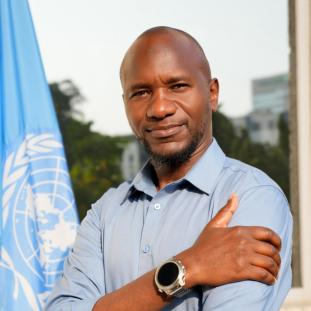
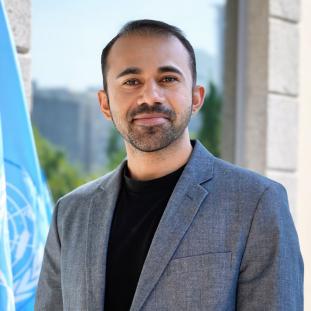
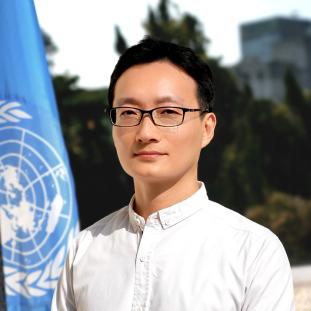
Meet the training team




Programme
Online Orientation: To be announced;
In-Person Training in Macau: February 23 – 27, 2026 (Schedule and content may be adjusted)
| Date | Time | Session |
|---|---|---|
Feb. 23 Day 1 | 09:15 – 10:15 | Opening and Icebreaker |
| 10:30 – 11:30 | The UN System and SDGs | |
| 11:40 – 12:30 | Group Project and Field Visit Orientation | |
| 14:00 – 15:00 | SDGs and Digital Technology | |
| 15:15 – 16:15 | AI and the Future of Work | |
| 16:30 – 17:30 | Group Work Session | |
Feb. 24 Day 2 | 09:15 – 11:00 | Introduction to Policy-Oriented Research |
| 11:15 – 12:30 | AI and Policy Research | |
| 14:00 – 15:00 | AI and Youth | |
| 15:15 – 16:15 | AI and Work: Media and Communication Industry | |
| 16:30 – 17:30 | Writing and Editing Publishable Work | |
Feb. 25 Day 3 | 09:15 – 11:15 | Career Workshop |
| 11:30 – 12:30 | Digital Technology Governance and the Role of the UN | |
| 14:00 – 17:30 | Field Visit | |
Feb. 26 Day 4 | 09:15 – 11:15 | AI Ethics, Equity, and Emerging Policy Challenges |
| 11:30 – 12:30 | Presenting Research Findings | |
| 14:00 – 17:30 | Facilitated Group Work | |
Feb. 27 Day 5 | 09:15 – 10:00 | Group Work Submission |
| 10:00 – 12:30 | Group Presentations | |
| 14:00 – 15:00 | Keynote | |
| 15:00 – 16:00 | Closing Ceremony |
Who Should Apply?
- Senior undergraduate and graduate students with an interest in global and local policymaking and policy research;
- Enrolled in a discipline with a focus on social science, computer science, education, international relations, communications or similar areas;
- Interested in the United Nations system and sustainable development;
- Proficient in English.
Fees and Scholarships
- Tuition: USD 1,200
- Estimated Living Expenses: Approximately USD 500 (self-funded)
- Applicants may apply for scholarships or subsidies of up to USD 600
- Institutional applicants are encouraged to consult their universities or employers
- Macau-based students are eligible for tuition discounts
Application Details
- Application Deadline: February 13, 2026 (GMT+8)
- Capacity: Limited to 40 participants; early application is encouraged.
How to Apply: Send your CV to Ms. Wang ( wangmin@undsdp.org.cn ) to request an application form.