

Afghanistan is a riparian of the Amu Darya, yet it still sits outside the regional water governance arrangements rooted in the Soviet era. Its projected increase in water use, most visibly through the Qosh Tepa Canal, is expected to reduce downstream flows in an almost fully allocated basin and to test the existing water-sharing arrangements.
In this Science Talk, Mohd H. Faizee, Professor of Practice in Water Security and Diplomacy in Fragile States at the United Nations University Institute for Water, Environment and Health (UNU-INWEH), will explore whether and how existing legal instruments between Afghanistan and its Central Asian neighbors, including border agreements inherited from the Soviet Union, provide a basis for water cooperation and complement international water law. The talk will identify practical legal pathways for Afghanistan's integration into basin governance, drawing on examples from other basins where existing arrangements have had to respond to a late-developing riparian.
You may watch the talk on the UNU-INWEH YouTube channel (no registration required).
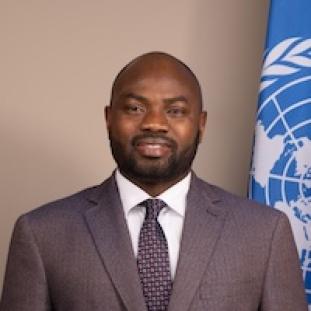
Speaker

Professor of Practice, Water Security and Diplomacy in Fragile States,
United Nations University, Institute for Water, Environment and Health (UNU-INWEH)