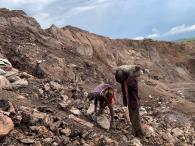


UNU-INWEH Report: Nunbogu, A., Farsi, A., Matin, M., Madani, K. (2026). Critical Minerals, Water Insecurity and Injustice. United Nations University Institute for Water, Environment, and Health (UNU-INWEH), Richmond Hill, Ontario, Canada, doi: 10.53328/INR25ABN002.
This flagship report, Critical Minerals, Water Insecurity and Injustice, presents a comprehensive analysis of the fundamental contradictions at the heart of global sustainability transitions, with a particular focus on water. It examines how the extraction of critical minerals contributes directly to water insecurity, livelihood disruptions, and health risks in many of the world’s most vulnerable regions.
The report argues that the critical minerals extractive industry is shaped by deep structural injustices. Evidence from this investigation indicates that, without deliberate policy interventions, the current trajectory of mineral extraction risks reinforcing existing inequalities and further harming vulnerable communities and nations that derive little benefit from global energy, digital, and sustainability transitions.
In response, the report calls for binding mechanisms within the critical minerals sector to ensure ethical sourcing, environmental justice, and strict enforcement of pollution and wastewater controls. It further contends that achieving just and sustainable supply chains requires heightened accountability from consumers, civil society organizations, and both national and global governing bodies. Ultimately, a fair global sustainability transition must explicitly prioritize water rights within legal and regulatory frameworks.