

Course Overview
Advancing sustainable mining: Cultivation and genomic analysis of acidophilic microorganisms for biomining and bioremediation innovation** is a five-day, in‑person training course designed to strengthen regional capacities in environmental biotechnology applied to the mining sector. The course integrates fieldwork, laboratory experimentation, and bioinformatic analysis to provide participants with a comprehensive understanding of how acidophilic microorganisms can be harnessed for sustainable biomining and bioremediation solutions in Latin America and the Caribbean.
Objectives
The main objective of the course is to provide a hands-on international training experience focused on the cultivation, characterization, and genomic analysis of acidophilic microorganisms with applications in biomining and acid-mine-drainage remediation. Specific objectives include training participants in environmental field sampling at mining sites, laboratory cultivation of iron-, sulfur-, and sulfate-reducing acidophiles, and the use of modern bioinformatic tools for microbial community analysis. The course also emphasizes real-world applications and technology transfer to promote sustainable mining practices in the region.
Target Audience
The course is aimed at advanced undergraduate students in Biotechnology Engineering, graduate students, and early‑career researchers whose academic or professional work is related to environmental microbiology, industrial or environmental biotechnology, geomicrobiology, and bioremediation. Participants will be selected based on academic merit, the relevance of their background, and their potential to apply the acquired knowledge in their home institutions, with special consideration given to young scientists and women researchers from the Latin America and Caribbean region.
Teaching Formats and Methodology
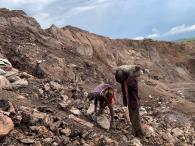
The training follows an intensive, practice‑oriented format that combines lectures, laboratory sessions, field visits, and interactive workshops. Participants will take part in a field sampling campaign at a mining site, collecting water and sediment samples and performing in situ physicochemical measurements. Laboratory sessions will focus on cultivating acidophilic microorganisms for both biomining and bioremediation applications, including bioactivity assays and culture techniques. The course also includes hands-on bioinformatics training using platforms such as QIIME2 and KBase for microbial community analysis, as well as group-based problem‑solving activities and case studies drawn from real mining scenarios.
Dates and Modality
The course will be held in **2026** as a **five‑day, fully in‑person training activity** hosted at Universidad de las Américas (UDLA) in Quito, Ecuador, with field activities conducted at a mining site in Imbabura province. Instruction will be delivered primarily in Spanish, with selected sessions conducted in Spanish and English, particularly during the bioinformatics and applied workshops.
By the end of the course, participants will have gained practical experience in sampling and analyzing mining‑impacted environments, cultivating acidophilic microorganisms under controlled laboratory conditions, and interpreting microbial community data using state‑of‑the‑art bioinformatic tools. Attendees can expect to develop immediately applicable skills, engage directly with international experts from academia and industry, and collaborate with peers from across the region. The course offers a unique opportunity to bridge theory and practice while advancing sustainable mining and environmental protection in Latin America and the Caribbean.
Application procedure
Application will be received via this form.
Applicants will be asked to submit a CV, a motivation letter, and an institutional support letter.
Last day to apply: April 30th, 2025.