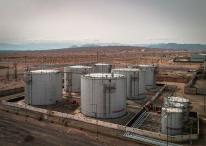


On March 7, 2026, Israel struck four fuel-storage and oil-refinery depots across Tehran, Iran's capital, and the adjacent city of Karaj. The airstrikes ignited large fires that sent dense plumes of smoke into the atmosphere of a metropolitan area that is home to more than 15 million people. When rain fell hours later, it scavenged pollutants from the smoke, producing an unusual phenomenon that residents described as "black rain."
During major oil fires, soot and airborne particles (aerosols) from incomplete combustion act as condensation seeds around which raindrops form. As the precipitation falls through polluted air, it collects these particles and deposits them onto people's skin and land, water, and urban infrastructure. Although the World Health Organization issued immediate warnings about the health risks of the resulting air pollution, the most serious health consequences could unfold over the coming months and years.
Read the full article on ThinkGlobalHealth
Suggested citation: Abraham Marshall Nunbogu, Rohit Ramchandani, Mehreen Shami, Wania Khan, Kaveh Madani. “Iran's Black Rain and the Health Shadow of Oil Wars.” Foreign Policy, 10 April 2026.