Accra, Ghana, 22 October 2026 – In a technical workshop assessing how the Global Goal on Adaptation (GGA) framework can be translated into practical national action, experts, government officials, technical agencies, researchers and representatives from UNU-INRA ,UNU-Global Health, UNFCC and African Group of Negotiators (AGN) gathered in Accra, at the West African Genetic Medicine Center(WAGMC). The focus of this workshop is on Disaster Risk Reduction and Health.
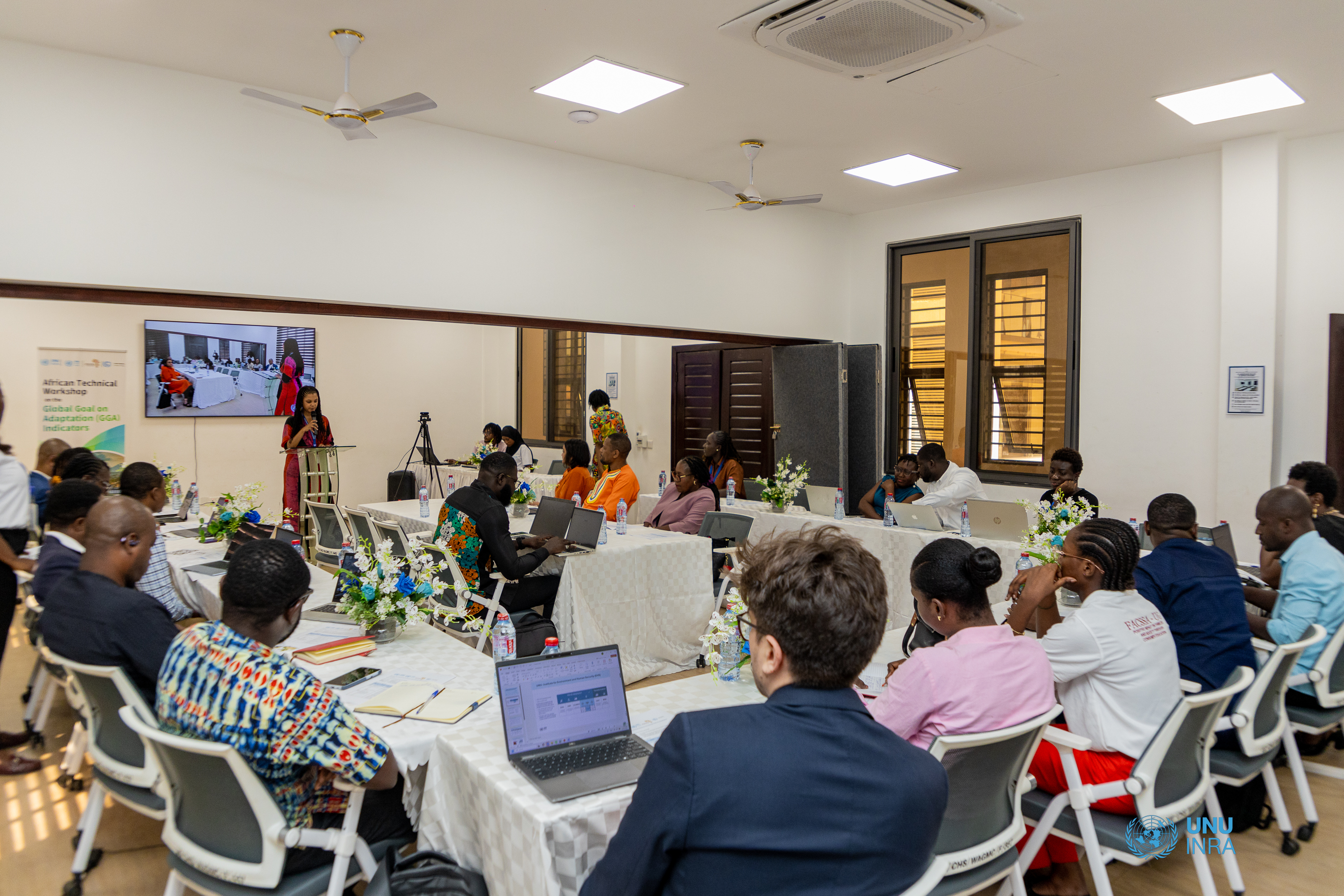
The first day of the workshop, focused on evaluating the relevance, feasibility and measurability of the GGA indicators within Ghana’s existing adaptation systems. Discussions highlighted that while Ghana has made significant progress in adaptation planning, monitoring and data collection, additional efforts are needed to align national systems with global reporting requirements and demonstrate measurable adaptation outcomes.
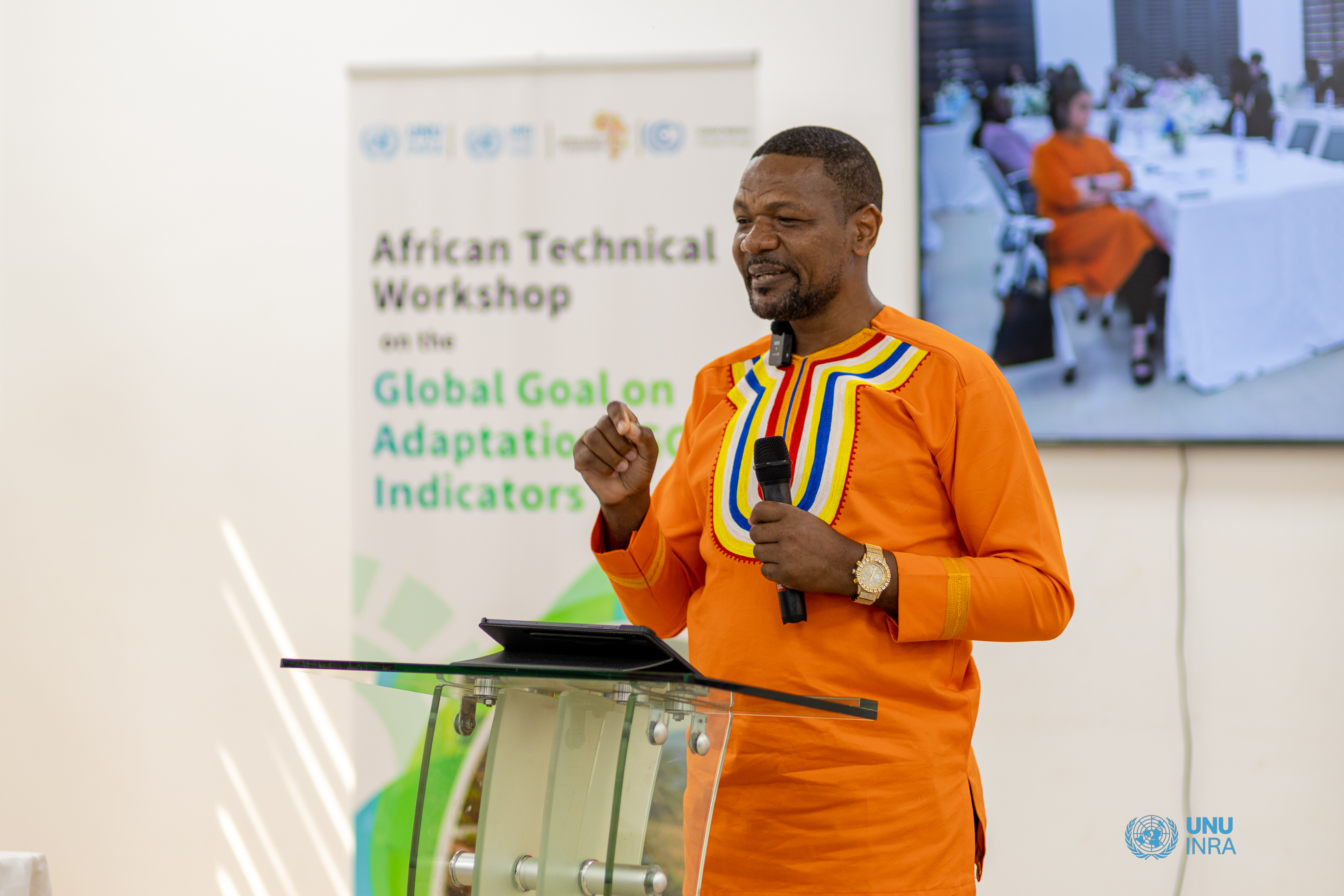
Opening the workshop, Dr. Richard Munang, Director of UNU-INRA, stressed the importance of strengthening Africa’s ability to measure and communicate the impact of adaptation investments. He noted that “Africa is not poor, Africa is uncounted,” emphasising the need for countries to better quantify adaptation needs, investments and results to support evidence-based climate negotiations and improve access to climate finance.
Dr. Revati, emphasised in her address, that "every dollar should protect someone, highlighting the need to link adaptation finance to measurable benefits for people and communities."
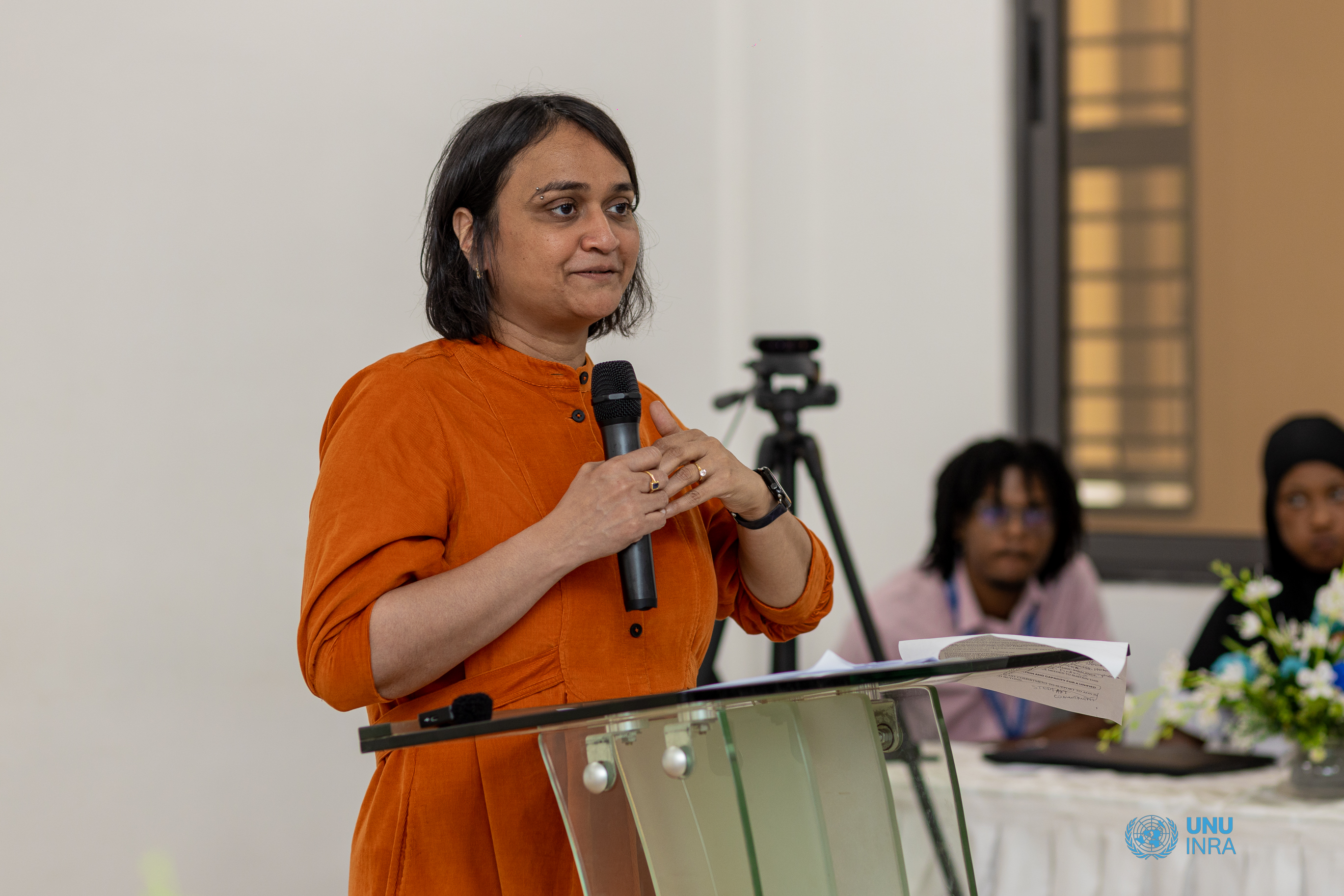
Participants underscored that, adaptation should ultimately be measured by improvements in people’s lives, livelihoods and resilience rather than solely through financial commitments or reporting obligations. The discussions also highlighted the importance of anticipatory action, early warning systems and understanding the costs of climate inaction.
Technical sessions explored the structure of the GGA framework, including its thematic and dimensional targets, and examined whether proposed indicators are compatible with existing national data systems. Participants raised concerns about balancing global comparability with local relevance, stressing that national experiences must inform international reporting frameworks.
Sector-specific discussions revealed that, many adaptation-related indicators are already captured through existing systems. The Ministry of Food and Agriculture noted that reporting mechanisms under the National Adaptation Plan (NAP), Nationally Determined Contributions (NDCs) and other regional frameworks provide a strong foundation for GGA implementation. However, institutional fragmentation and inconsistent data collection remain challenges.
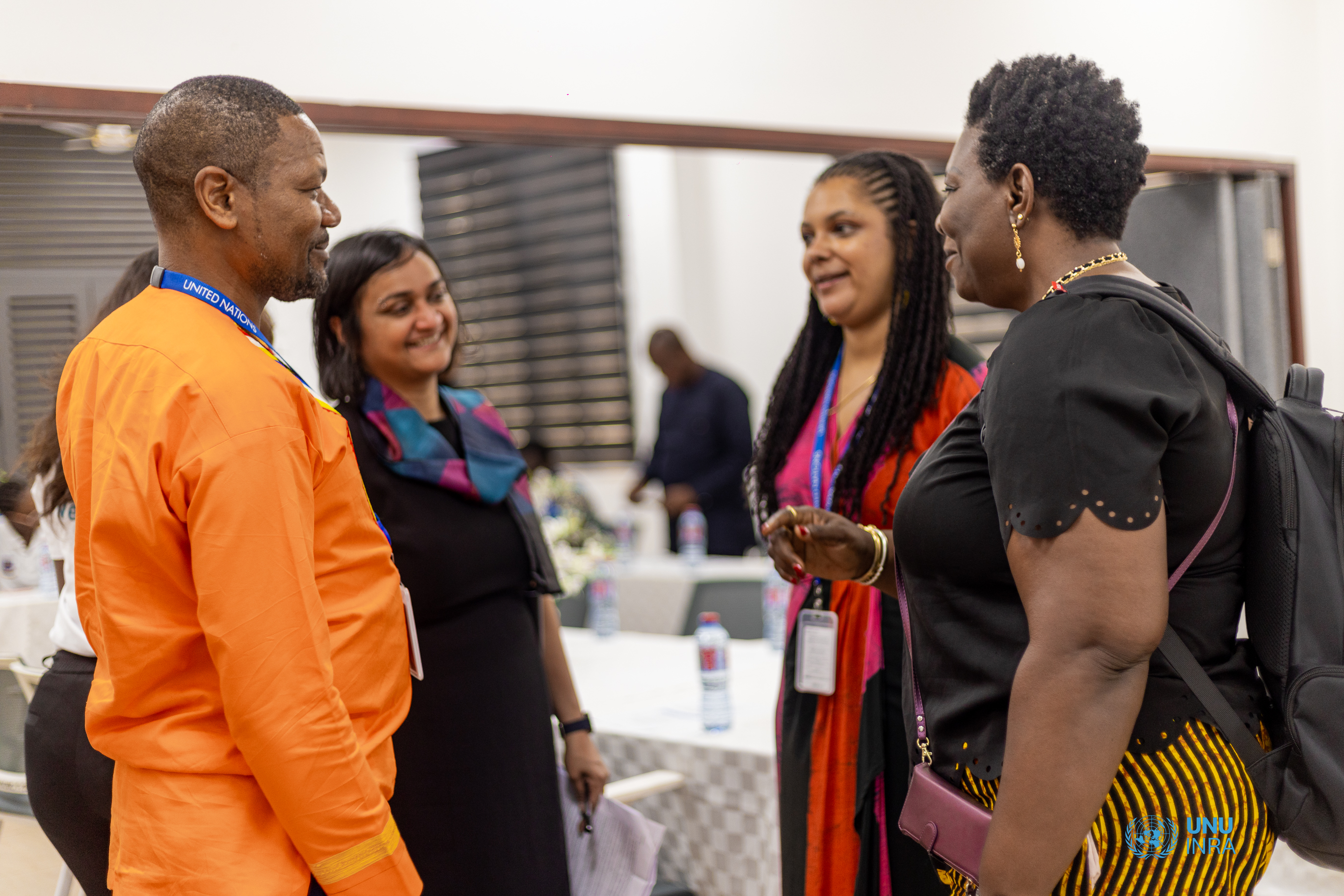
In the health sector, officials highlighted growing climate-related risks, including extreme heat, flooding and disease outbreaks. While substantial health data exists, participants noted difficulties in linking health outcomes directly to climate impacts. Greater collaboration between health institutions and meteorological agencies was identified as a priority for improving climate-health monitoring.
Disaster risk reduction discussions focused on strengthening flood forecasting, hazard mapping, early warning systems and community preparedness. Participants emphasized that warnings must be accessible to all populations, including persons with disabilities and communities facing language or literacy barriers, and should lead to timely preventive action.
A presentation on Ghana’s National Adaptation Plan revealed that more than 70 percent of the GGA indicators are already reflected in existing national adaptation frameworks. The newly introduced Ghana Climate Vulnerability Hub was highlighted as an important platform for consolidating adaptation data, vulnerability assessments and evidence to support reporting and decision-making.
Throughout the day, participants identified several priorities, including strengthening institutional coordination, improving data-sharing mechanisms, enhancing measurement methodologies and ensuring that adaptation efforts reach the most vulnerable populations. The workshop also emphasised that Ghana’s experience in testing the indicators can provide valuable evidence to inform Africa’s position in future international negotiations on the Global Goal on Adaptation.
As discussions continue, the workshop is expected to generate practical recommendations on how countries can better measure adaptation progress while ensuring that climate investments deliver tangible benefits for communities most vulnerable to climate change.
A representative from the Environmental Protection Authority, spoke on behalf of the AGN chair, Nana Dr. Antwi-Boasiako Amoah, underscored that this technical workshop is important because "there is a demand to test the Belem(COP30) indicators on how countries are able to do the reporting on these indicators. This conversation is to see how we can build on our national systems (reporting frameworks), identify gaps and see how we can align them with the Global Goals on Adaptation and how to report these indicators."
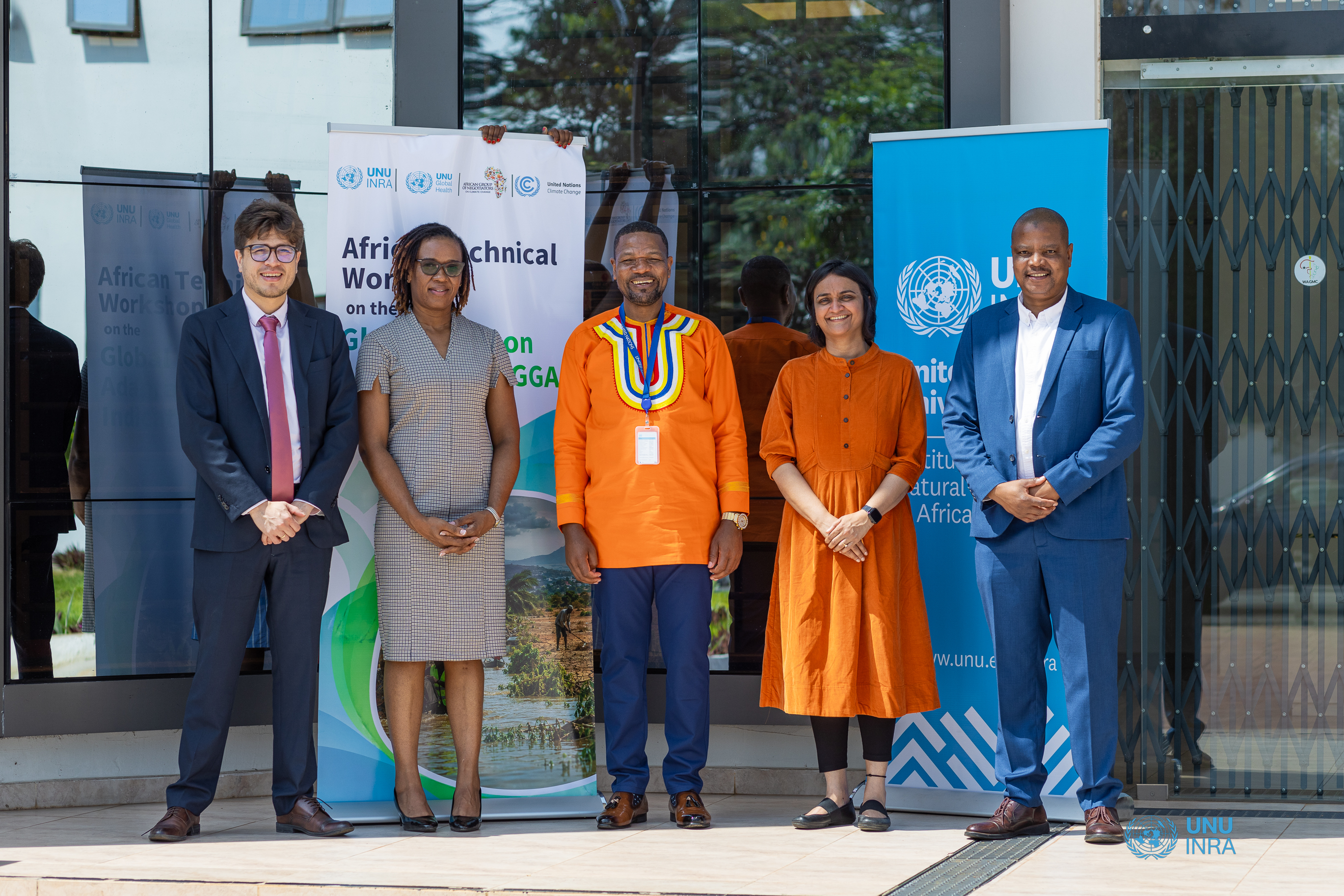
Workshop participants include representatives from African Group of Negotiators, UNFCCC, National Disaster Management Organisation , Water Resources Commission, Ministry of Food and Agriculture, Environmental Protection Authority, Ghana Health Service, Ghana Hydrological Authority, Ministry of Finance, Ghana Meteorological Agency.