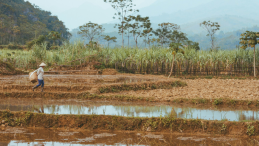
Following a disaster or extreme weather event, losses and damages are typically assessed and valued. A destroyed road is a prime example. But damages go well beyond what can be easily quantified and can be felt in areas like culture, education, spiritual landmarks and mental health.
These impacts are called non-economic losses and damages. As climate change increases, vulnerable countries and communities from across the world must grapple with these invisible impacts. In response, governments and authorities are searching for policy solutions to address this problem.
UNU-EHS Researcher Olasunkanmi Okunola wrote an article ahead of COP 31 on how countries in Africa are trying to find ways to capture these impacts, so losses and damages can be better recorded and prevented in the future. The article is based on a study he co-authored analysing six countries working to include these impacts into national policy.
At the moment, non-economic losses are difficult or seldom counted in post-disaster impact assessments. This creates crucial gaps in recovery and disaster risk reduction plans. Policy-wise, getting such losses counted is still in a novel phase. In Africa, countries are including this in policy areas such as climate adaptation policies or disaster risk management policies.
“Not every loss can or should be measured in money. However, affected people still need funding and services to recover,” writes Okunola. “This could mean helping children return to school, offering counselling and helping displaced communities stay connected and maintain their cultural practices.”
To help governments and communities get a better picture, Okunola argues governments need to work more closely with communities, who often experience these impacts more directly and can be missed in official assessments. He also argues that, to avoid creating new agencies or departments, governments like the ones he researched in Africa can make use of existing policies and agencies to include these types of losses in their assessments.
Lastly, he calls for greater speed in including non-economic losses in policies as climate change impacts increase in intensity and force. This data is crucial for impacted countries in accessing international funds needed to recover when disaster strikes.
Read the full article here.