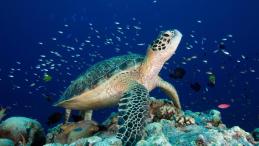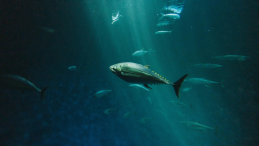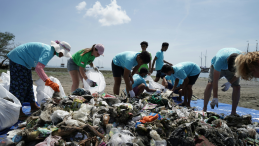


In January 2026, the High Seas Treaty officially entered into force. This landmark treaty is the first legally binding agreement to protect and ensure the sustainable use of our high seas. The agreement is formally under the UN Convention on the Law of the Sea and is officially titled the Conservation and Sustainable Use of Marine Biological Diversity of Areas Beyond National Jurisdiction (BBNJ).
UN Senior Scientist, Dr. Jack O’Connor, was invited to comment on the treaty in an article by Anadolu Agency, the main newswire in Türkiye. “It sits on top like an umbrella over a network of existing agreements that were previously a little bit fragmented, looked at different parts of the ocean but didn’t speak to each other,” he explained.
Before the BBNJ, there was no collectively agreed-upon set of rules for protecting the high seas, which face threats from mineral exploitation, over-fishing and declining biodiversity, among others.
The treaty itself operates on four key pillars:
- Marine genetic resources and benefit-sharing, ensuring discoveries from marine organisms benefit all humanity.
- Area-based management tools, enabling the creation of marine protected areas (MPAs) in international waters.
- Environmental impact assessments which require countries to evaluate how proposed activities could affect fragile marine ecosystems.
- Capacity-building and technology transfer, helping developing countries participate fully in ocean research and conservation.
The area-based conservation measures are an important pillar, as they expand the eligibility of areas to be protected.
O'Connor also pointed out several hurdles going forward, including the need for more countries to join, the work toward its first Conference of the Parties (COP) and how jurisdictional disputes will be solved.
The treaty comes at a key time as the planet endures the triple planetary crisis of climate change, biodiversity loss and pollution. It also marks a significant win for multilateralism.
In closing, O'Connor highlighted how important the treaty is for the fight against climate change: “The healthier our oceans can be, the more they will be able to help us mitigate the effects of climate change.”
Read the full article here.