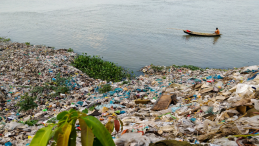


Trillions of dollars still flow into activities that degrade ecosystems, the recent State of Finance for Nature 2026 report finds. However, there is also growing momentum to redirect finance toward Nature-based Solutions. The latest Interconnected Disaster Risks report highlights that many escalating global risks share a common root, such as the separation between human and natural systems, and calls for realigning economic decision-making with ecological limits. Together, these insights point not only to urgent challenges, but to a powerful opportunity for transformation, so here are five reasons to turn from a nature-negative to a nature-positive economy:
Redirecting finance offers a major opportunity for transformation
Though $220 billion was invested in Nature-based Solutions in 2023, over 30 times that amount ($7.3 trillion) flowed into nature-negative activities. Even partially redirecting that money from nature-negative to nature-positive activities would provide a better balance, and could rapidly increase restoration, sustainable land use and ecosystem protection. Aligning finance with nature can strengthen resilience, reduce long-term costs and support a new generation of economic opportunities.
Investing in nature reduces disaster risks
Ecosystems such as forests, wetlands and healthy soils act as natural shock absorbers, reducing the impact of hazards such as floods, droughts and heat extremes. By investing in nature, risks become easier to manage and hazards become less likely to devastate. Therefore, a nature-positive economy helps societies move from crisis response to prevention, lowering exposure to interconnected disasters while increasing stability.
Healthy ecosystems support stable and inclusive economies
A significant share of global economic activity depends on healthy ecosystems, making nature-negative activities a threat to long-term prosperity. Investing in biodiversity and ecosystem services strengthens food systems, safeguards water supplies and supports livelihoods, especially for communities that are already vulnerable. By recognizing nature as a productive asset rather than a free resource, economies can enhance stability, equity and well-being.
Nature-based Solutions deliver multiple benefits at the same time
Nature-based Solutions can be more effective and cost-efficient than other solutions that do not take nature into account. Restoring forests, wetlands and mangroves can reduce disaster risks, sequester carbon and support livelihoods simultaneously, for example. Ecosystem restoration can generate returns of several dollars for every dollar invested, while reducing vulnerability to climate-related disasters.
Aligning with nature improves long-term decision-making
Often, nature-negative activities – such as deforestation – cause problems because decisions focus on short-term gains while overlooking longer-term consequences. A nature-positive economy can help decision makers consider how today’s choices affect future risks, people and ecosystems, which is useful for guiding planning and investment in ways that reduce potential harm over time.