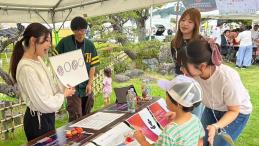
Few sectors have undergone a more dramatic transformation in recent decades than agriculture, thanks to a rapid process of applied science and innovation. Advanced genetics, precision agriculture, the use of sensors, drones, and the use of artificial intelligence, among other things, have transformed agriculture. This change has enabled the growth of productivity and output of the sector in different regions of the world (WIPO 2026).
Brazil is one of the clearest examples of how applied science and innovation can transform agriculture. The performance of the Brazilian agribusiness sector in recent decades has shown significant growth from multiple perspectives. Applied science and innovation have played a central role: the creation of Embrapa, in 1973, is a landmark for the agricultural sector in Brazil. Against this background, the UNESCO Chair at UNU-MERIT will conduct a round table, hosted by Carlo Pietrobelli and with Mariangela Hungria, José Guilherme Reis, Maria de las Mercedes Menendez as panellists.
Biographies and photography:
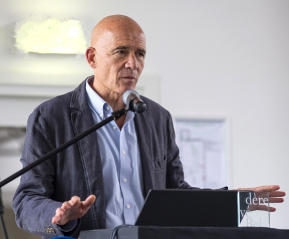
Carlo Pietrobelli holds the UNESCO Chair on “Science, Technology and Innovation Policies for Sustainable Development in Latin America” at UNU-MERIT in Maastricht and is Professor of Economics at Roma Tre University. From 2009 to 2016, he was a Lead Economist at the Inter-American Development Bank. His research focuses on development economics, innovation, trade, industry, value chains, and natural resources in developing countries. He has also advised governments across Africa, Asia, Europe, and Latin America.

Mariangela Hungria da Cunha is a Brazilian agronomist and microbiologist noted for pioneering work on biological nitrogen fixation (BNF) and the use of beneficial soil bacteria as microbial inoculants for tropical crops. Since 1982 she has been a researcher with the Embrapa (Brazilian Agricultural Research Corporation) helping farmers replace chemical fertilizers with beneficial soil bacteria. In 2025 she became the first Brazilian woman to receive the World Food Prize, for “extraordinary scientific advancements in biological nitrogen fixation” that transformed tropical agriculture. Having her as a speaker in this thematic session has the objective of sharing her expertise and the Brazil experience in the topic with the audience of different Latin American countries policy makers and researchers. The expected outcome is to stimulate discussion and engagement in this field.
José Guilherme Reis is an independent consultant, formerly Executive Director for Brazil at the Inter-American Development Bank, World Bank practice manager for global trade and competition, and Secretary for economic policy in the Ministry of Finance in Brazil (2001-2002).
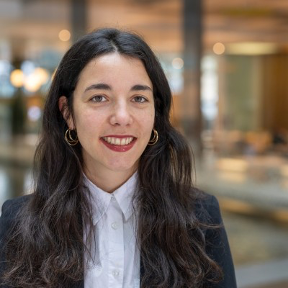
Maria de las Mercedes Menéndez is a research fellow at the UNESCO Chair, and currently a postdoctoral researcher at WIPO’s Innovation Economy Section. Her research focuses on technological change and productive specialisation in the context of digital and green transitions.