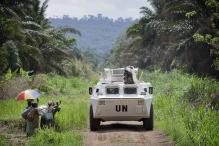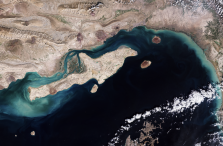


Conducting research in conflict zones is fraught with challenges—limited access, political sensitivities, and ethical dilemmas. Yet these regions urgently need scholarly attention, especially as the environment—both human and non-human—often becomes a silent casualty of conflict. How can researchers responsibly engage with contested issues involving multiple actors? How can we access data ethically, and ensure our work contributes meaningfully to the societies we study?
In this Science Talk, Dr. Pinar Dinc will share her experiences conducting research in conflict-affected areas of the Middle East, focusing on interdisciplinary methods, ethical considerations, and remote research strategies. Drawing from projects that combine political science and physical geography, the talk will explore how researchers can navigate sensitive contexts, co-produce knowledge with civil society actors, and translate broader findings into policy-relevant insights—such as the recent UNU Policy Brief she co-authored with colleagues at UNU-INWEH—without compromising ethical integrity or local agency.
Speaker
Dr. Pınar Dinç