

On 27th January 2026, The Innovate for Clean Agricultural Technologies project(INFoCAT) project awarded 6 young clean agritech innovators grants to scale up their agritech innovations. 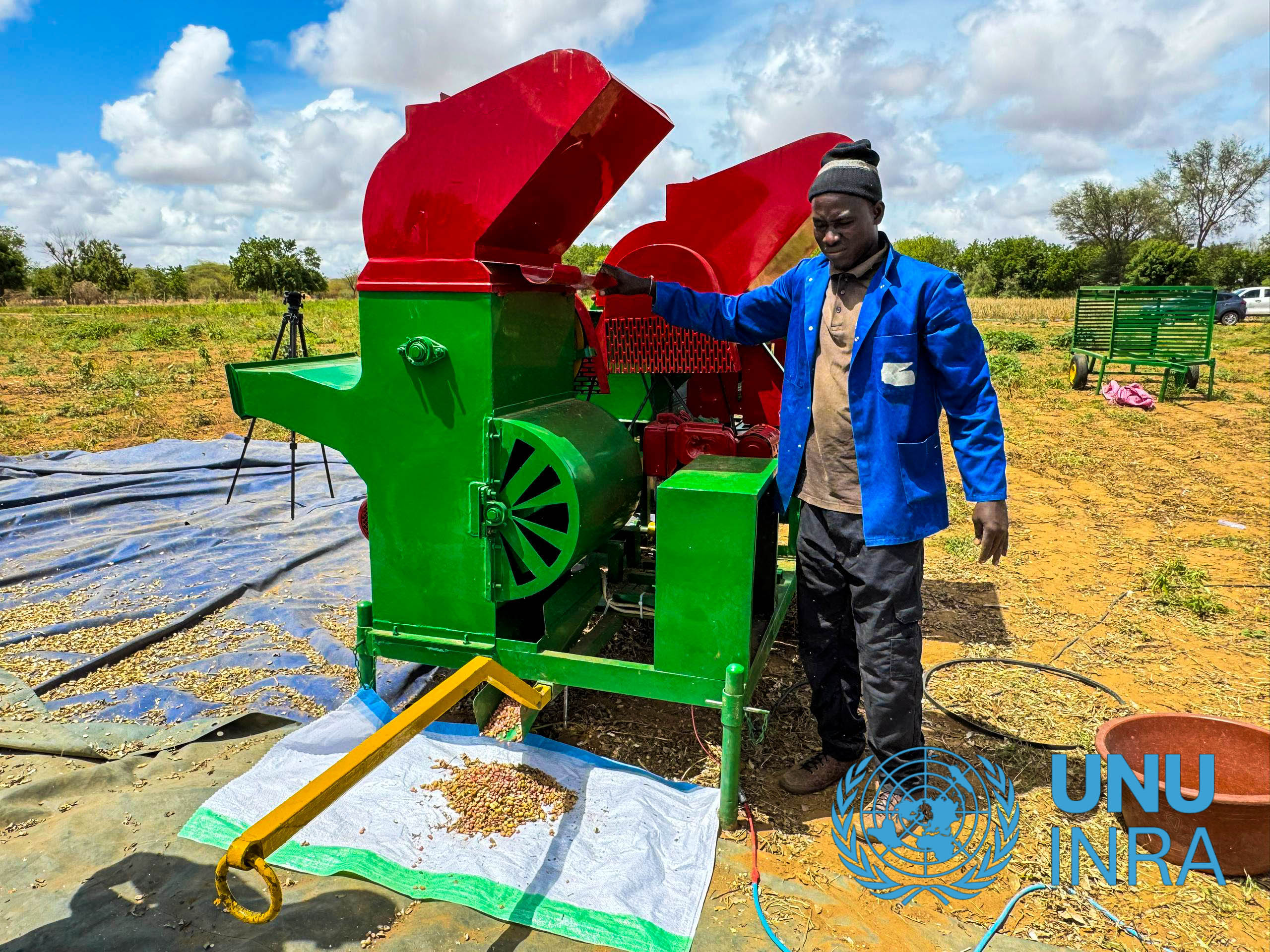
The global journey towards a lower carbon development, requires the need for gender-responsive and youth-inclusive approaches that ensure that, the benefits of clean energy transitions are equitably shared.
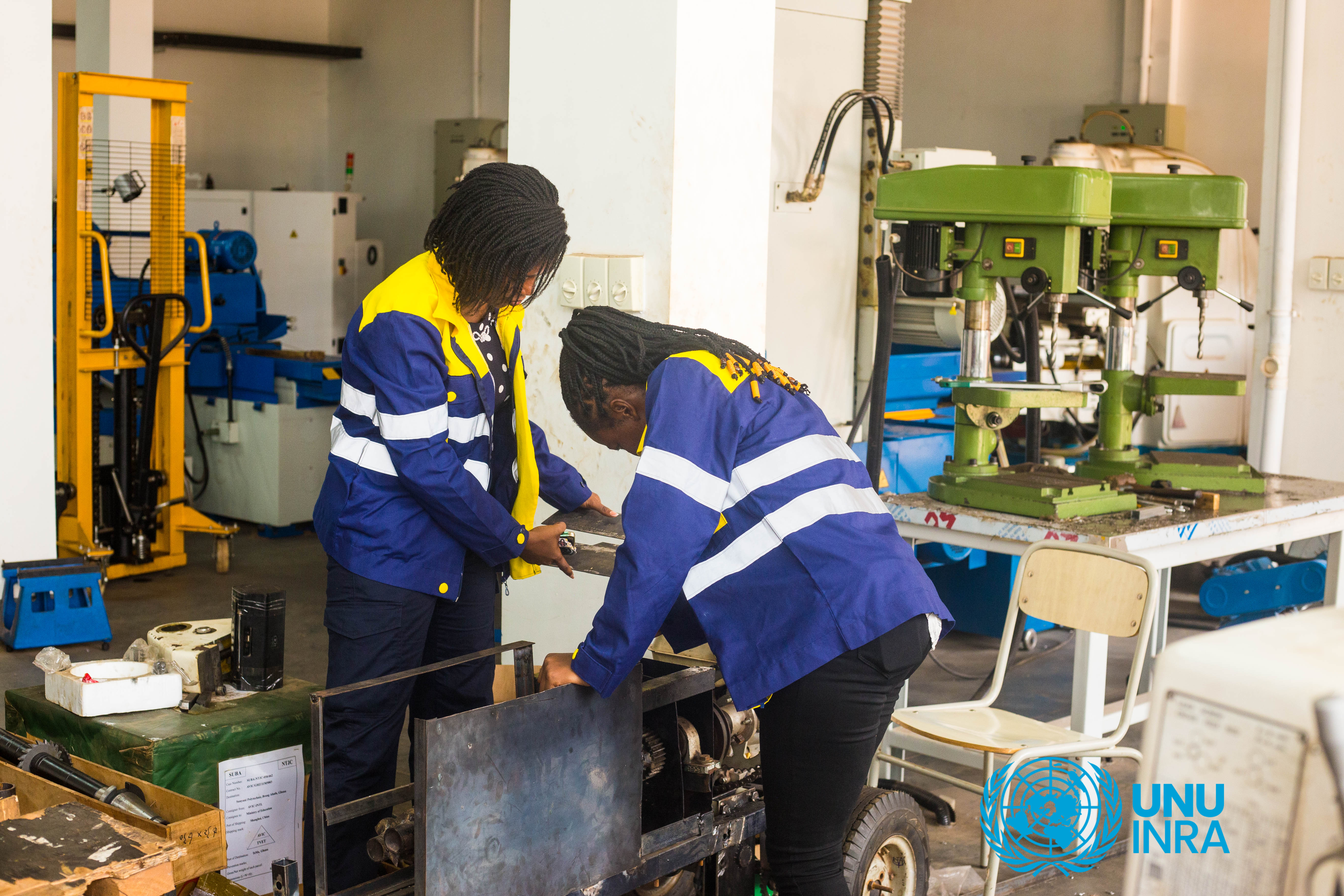
Agriculture remains central to sustainable development and poverty reduction in low- and middle-income countries with smallholder farmers being critical to food security and rural livelihoods.
However, limited access to affordable, reliable clean energy and small-scale agricultural technologies constrains productivity, post-harvest management, storage, and agro-processing. This dire reality in Sub Saharan Africa, serves as the basis for implementation of the Innovate for Clean Agricultural Technologies. By supporting young green entrepreneurs particularly, women to develop and scale clean agritech innovations, INFoCAT offers a unique opportunity to address energy challenges in agriculture while promoting enterprise development and inclusive economic growth.
The project is to advance women's and youth economic empowerment in rural areas of selected African countries by promoting low-cost, clean, energy-powered technology solutions that increase agricultural productivity and income for smallholder rural farmers.
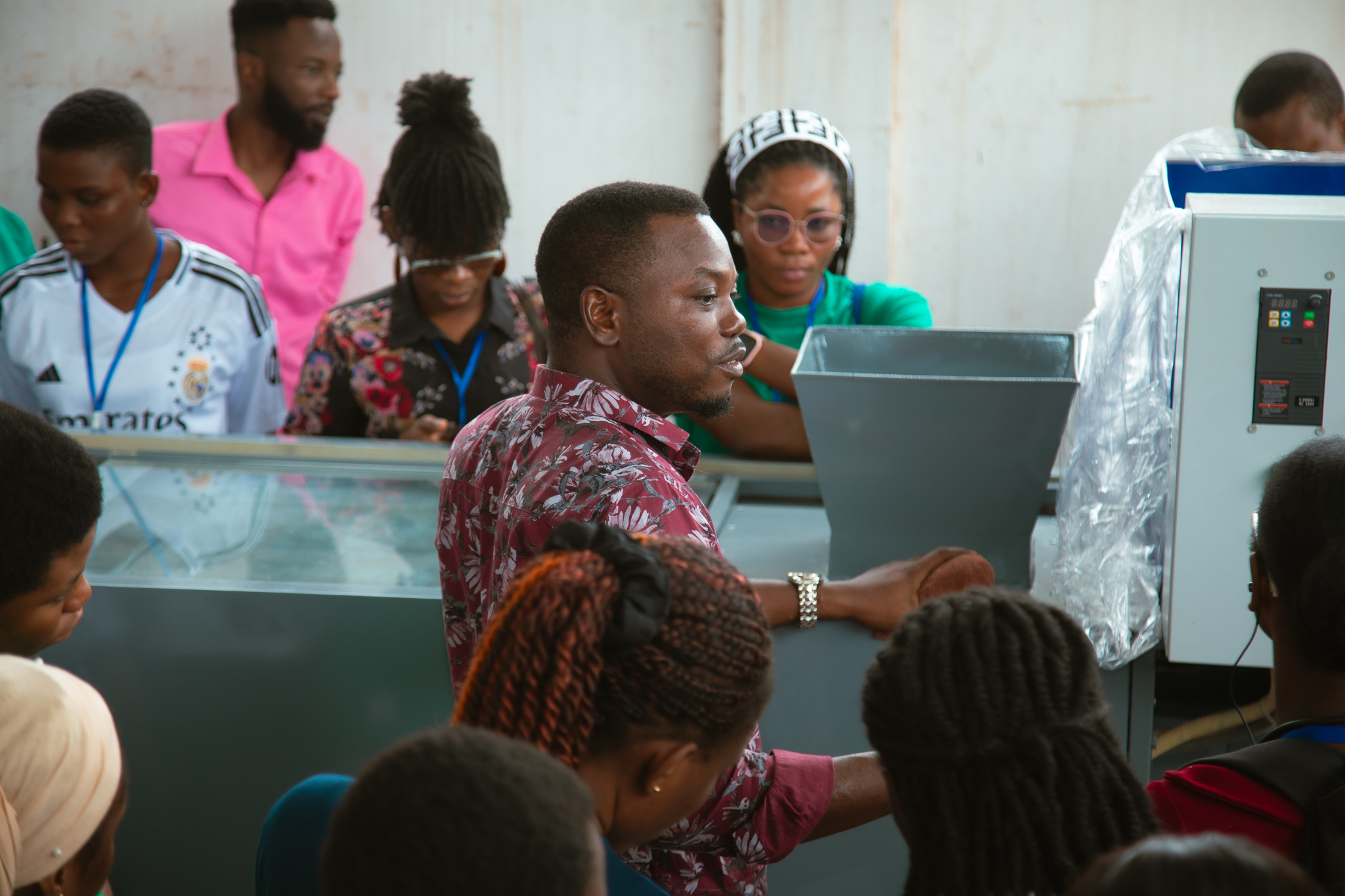
With a baseline survey done in 2023 in select smallholder farming communities Ghana, Senegal and Cote D’Ivoire, followed by an INFoCAT Innovation Challenge where 20 young Agritech innovators were selected(10 in Ghana, 5 in Cote D’Ivoire, 5 in Senegal), these innovators were provided with an initial seed fund of about 7,400 USD each and continuous training workshops and coaching with dedicated renewable energy experts, green entrepreneurs, finance and agritech experts. These selected young African agritech,with the help of dedicated experts, improved and incorporated clean technology in their agritech innovations, while making them more efficient and productive for smallholder farming communities in the communities where the initial baseline were conducted.
These new and improved agritech innovations were then taken through another round of vetting where 6 innovators were chosen( 2 teams from Ghana, 2 teams from Cote D’Ivoire, 2 teams from Senegal), as winners on 27th January 2026- during a policy roundtable, which was to :
-Present INFoCAT evidence on the design, adoption, and impact of clean energy-powered
agritech innovations on agricultural productivity in Ghana. The final INFoCAT grant awarded to these young teams amounts to $37,000 per country.
-Identify enabling measures policy, regulatory, and financing to support the scaling of women- and youth-led agritech enterprises.
-Facilitate stakeholder dialogue to generate actionable recommendations for integrating clean agritech innovations into national agricultural and low-carbon development strategies and
-Recognize and incentivize innovation by awarding the Best INFoCAT Agri-Tech Innovator(s) prize to promote scaling and adoption of clean agritech solutions.
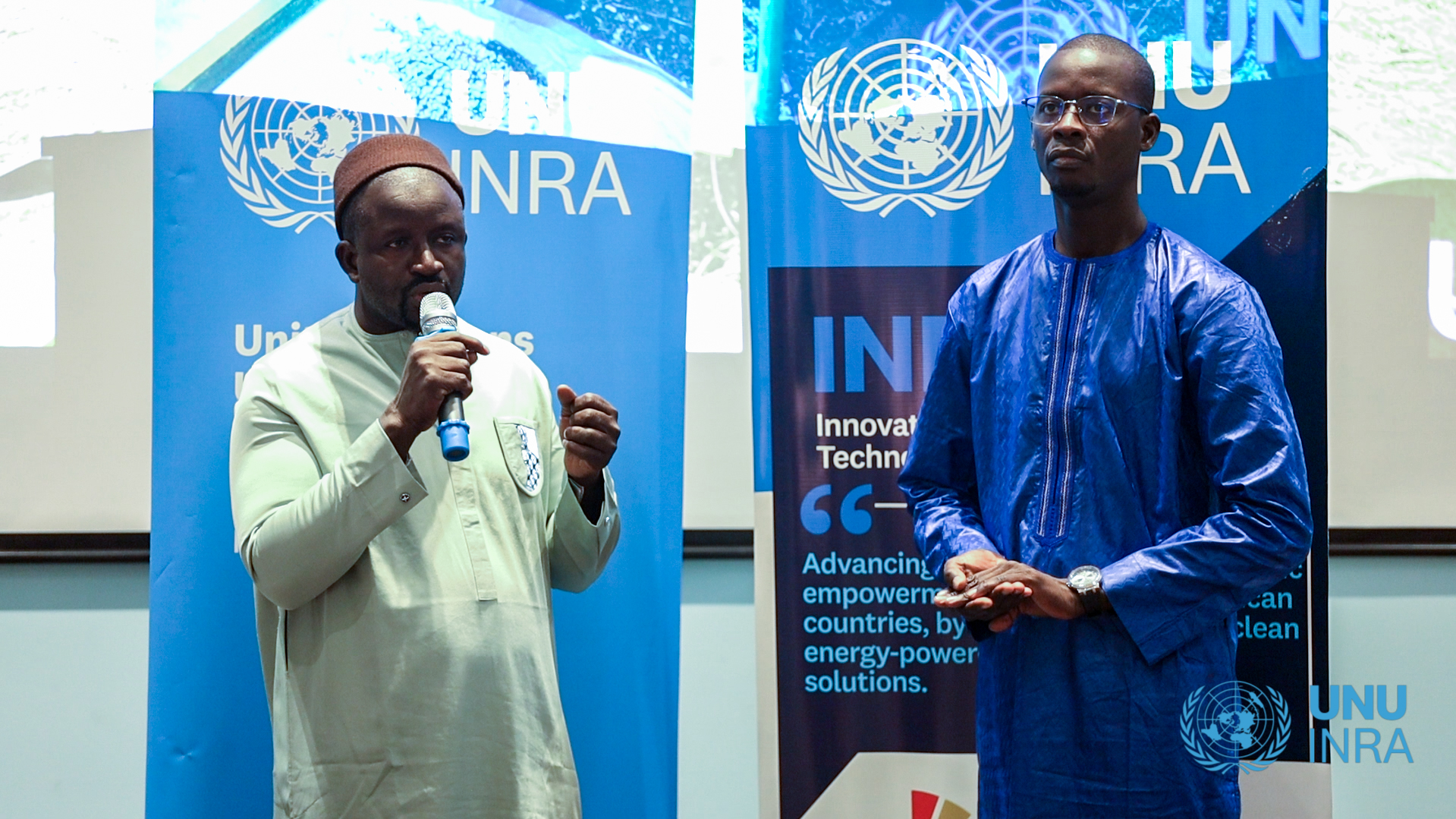
Winners:Senegal (2)
Moussa NDOYE (25,000USD)
-Innovation: Peanut thresher and sheller
Amdy Moustapha NIASS ($12,000)
Innovation: Mini renewable energy powered(power plant)
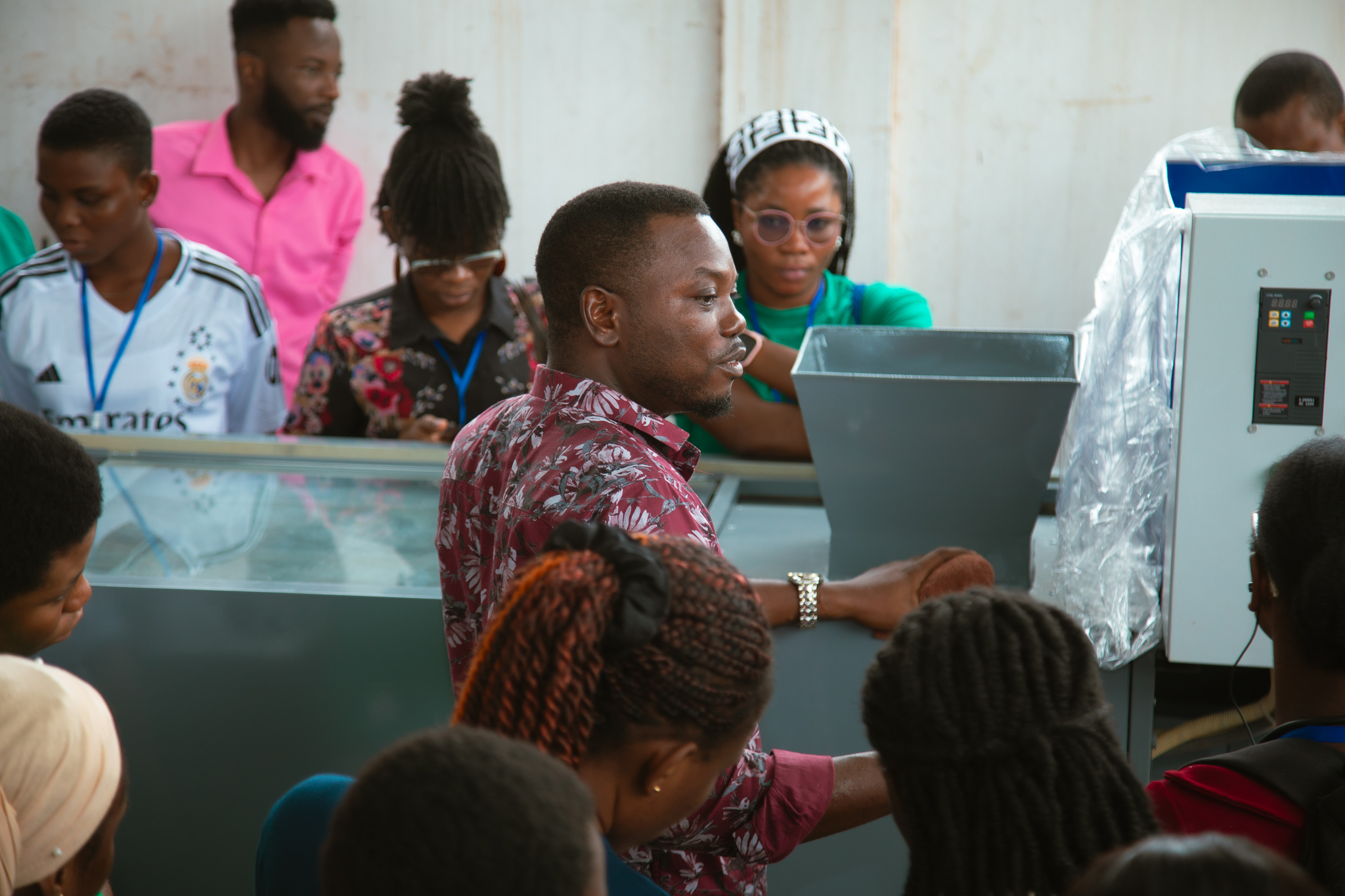
Winners: Ghana(2)
- Wobil Technologies: ( Erica A .Appiah ad Charity Abena Azogmi)- 25,000USD
Innovation: Grain winnower( cleans grains like rice, soya beans, maize and other grains)
- Villiam Star Ltd)William Mikado and Gifty Samani - ($12,000)
Innovators of a cassava peeling and washing machine.
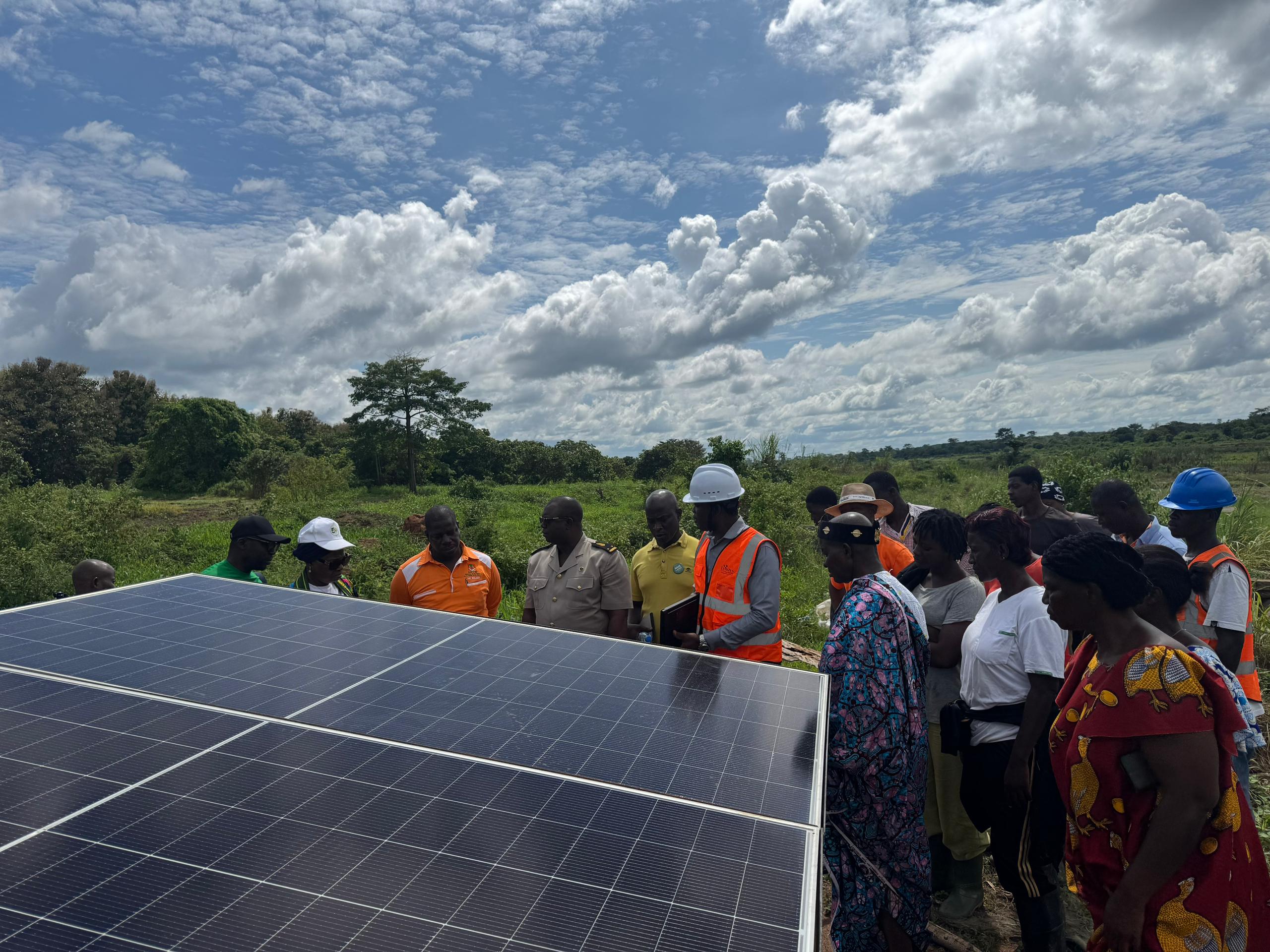
Winners Côte d’Ivoire(2)
- Lognigue Emmanuel Yeo (Lynays Corporation)- (25,000USD)
Innovation: Solar smart irrigation - efficient use of water (Water management)
- Achi David(AD Solar) ($12,000)
Innovation: Solar dryers for vegetables
INFoCAT’s project coordinator for Senegal, Dr. Jean Pascal Correa(Enda Energie), called INFoCAT very impactful and stressed on the project’s uniqueness in moving beyond just the financing of clean agritech to also providing green entrepreneurial skills training, supporting the innovators with consistent coaching/mentorship with industry experts, to improve the productivity and efficiency of their agritech. Other key influences of the INFoCAT project according to Dr. Correa, is how innovators were taught how to secure credit from banks in further expanding their enterprises and how to secure intellectual property of their clean agritech solutions.
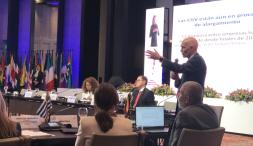
With the INFoCAT project being at the center of Entrepreneurship, Clean energy, Agriculture and Gender Inclusion, Prof. Fatima Denton, the Principal Investigator for INFoCAT and Director of UNU-INRA(Institute of Natural Resources in Africa)called for regional bodies such as ECOWAS, African Union amongst others, to use this INFoCAT pilot program as a “launching pad."
She added that the lessons learnt from INFoCAT, its impact in training and coaching young agritech innovators in greening their innovations should be scaled up and adopted to help reduce drudgery, improve efficiency and productivity amongst smallholder farmers, while ensuring that through a gendered implementation approach, no one is left behind in the journey towards a low carbon development.