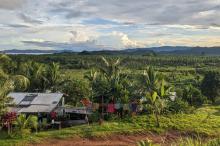


The global food system is under severe pressure, facing the dual crises of climate change and biodiversity loss, while trying to meet the demands of a growing population.
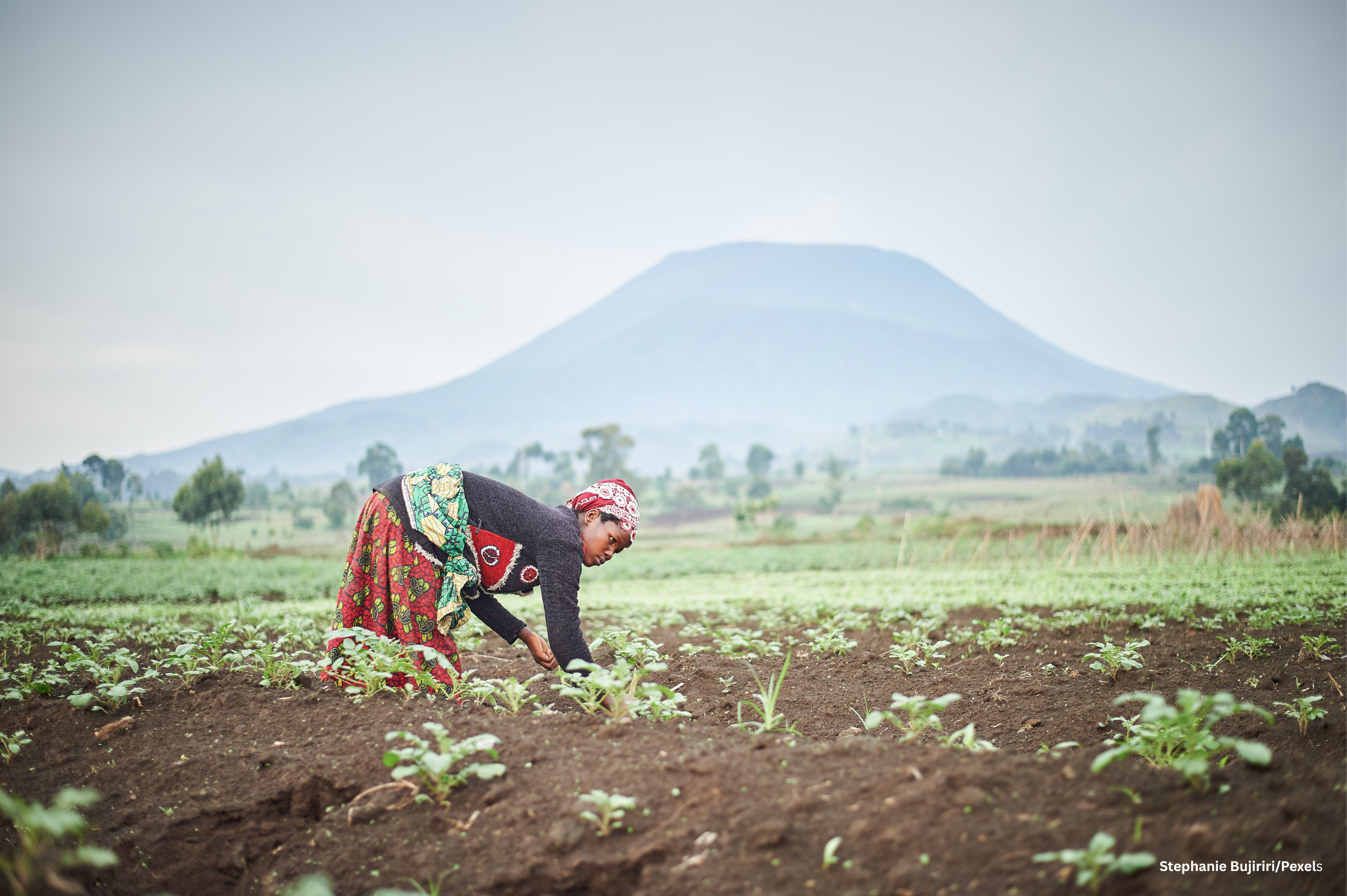
Despite slight improvements between 2022 and 2024, the 2025 SOFI report shows that about 8.2% of the world’s population (638–720 million people) still suffer from chronic hunger. Food insecurity has worsened by conflicts, climate extremes, and high food-price inflation, with low-income countries most affected.
In semi-arid West Africa, these challenges are compounded by rapid population growth and severe land degradation. Conventional intensification methods—such as monocultures, heavy tillage, and chemical inputs—have temporarily boosted yields but degraded soil fertility, water tables, and biodiversity. This has created a “sustainability gap”, where expanding farmland is no longer viable.
The proposed solution is Sustainable Intensification: raising agricultural yields without harming the environment or converting additional non-agricultural land.
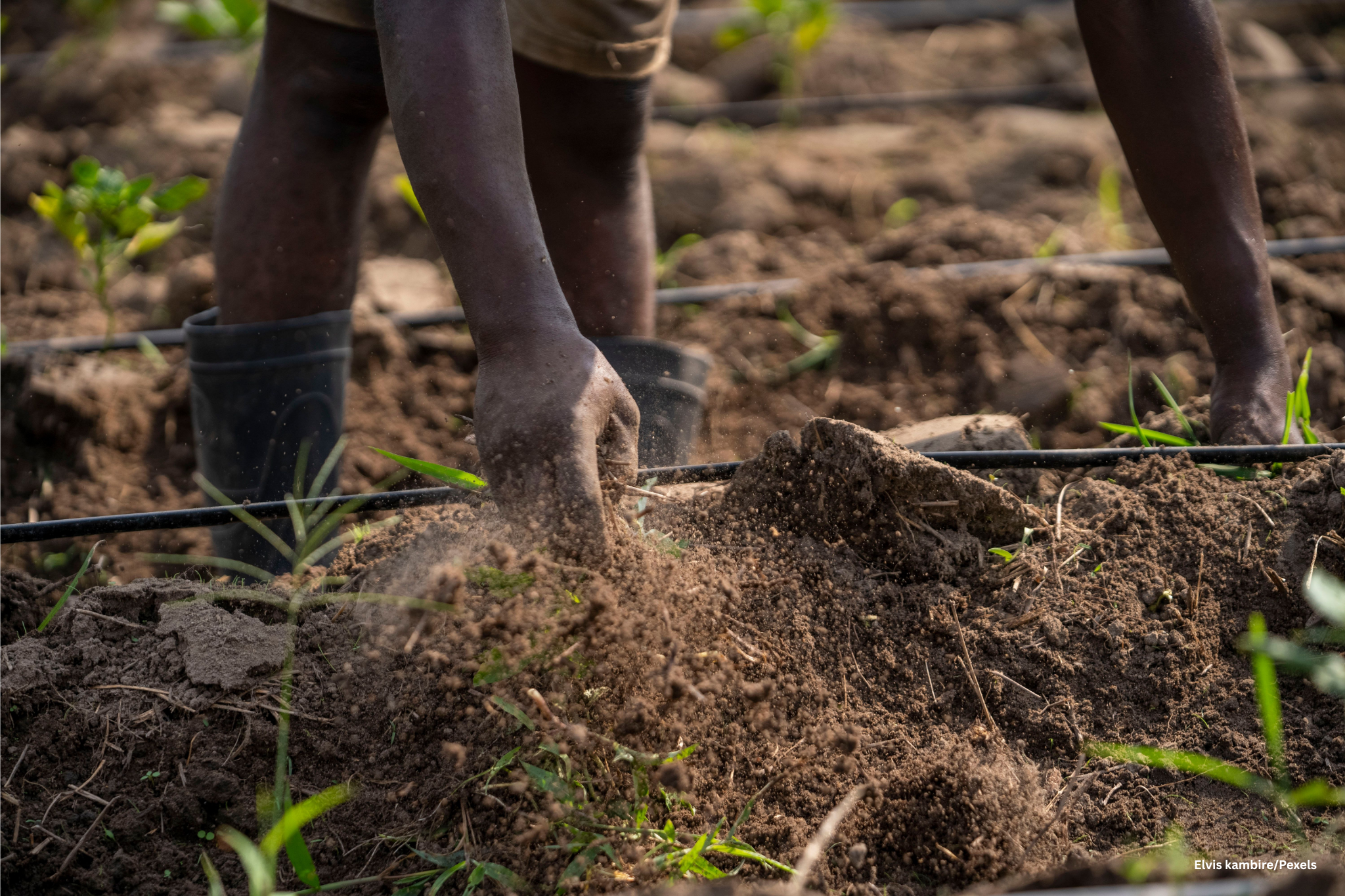
Sustainable Intensification emphasises knowledge-intensive resource management—using improved seeds, soil health practices, and efficient water use—to increase productivity per hectare while safeguarding ecosystems.
As part of the Co-Developing Innovations for Sustainable Land Management in West African Smallholder Farming Systems (COINS) project, UNU-INRA has prepared a report on Outscaling Sustainable Intensification (SI) innovations across Sub-Saharan Africa.
The main objective of this report, is to evaluate options for geographically adapting project outcomes for best SI methodologies and practices in other Sub Saharan African regions.
This report was to :
Map outscaling potential of SI: Identify agro-ecological zones and Sub Saharan African countries where each S.I practice can be adopted (by crop, climate, landscape).
Determine requirements needed for Oustcaling SI: Clarify inputs (costs, knowledge, infrastructure) and enabling conditions (markets, policy, gender inclusion) needed for each practice in those places.
Develop an outscaling strategy: Outline practical steps, responsibilities, and funding mechanisms for implementing scale-out activities.
This outscaling report was developed with a strategy built on a mixed-methods approach combining:
Portfolio analysis: Reviewing the evidence base of SI/SLM practices and case studies, including costs, yields, environmental impacts, and adoption rates (drawn from pilot studies and literature).
Stakeholder mapping: Identifying key actors (farmer unions, agribusinesses, governments, donors) responsible for implementing each innovation at scale.
Funding analysis: Cataloging potential funding sources (government budgets, climate finance, development banks, private sector, community funds) and their suitability for each practice.
The outscaling report firstly presents a framework for outscaling sustainable intensification (SI) innovations across Sub-Saharan Africa (SSA), focusing on Sustainable Land Management (SLM) and Integrated Soil Fertility Management (ISFM).
The report identifies proven practices—such as crop–livestock integration, crop rotation, stress-tolerant varieties, quality seed, soil and water conservation, System of Rice Intensification, solar and drip irrigation, ISFM, and conservation agriculture—and organizes them into investment tiers based on cost, scalability, and return potential.
The report also emphasises that successful diffusion of SI practices depends not only on agronomic performance but also on enabling conditions: access to inputs, extension services, market connectivity, infrastructure, supportive policies, gender inclusion, and strong local institutions. Financing strategies must blend public budgets, donor grants, private value-chain investment, climate finance, and local mechanisms such as microcredit. Risks—climatic, market, institutional, and financial—are addressed through drought-tolerant crops, insurance schemes, aggregation, demonstration plots, and multi-stakeholder coordination.
Ultimately, the report highlights that sequenced, evidence-based strategies are essential: target practices to the right agroecologies, combine quick wins with long-term investments, clarify stakeholder roles, strengthen monitoring and learning, and embed implementation in durable institutions.
When these elements align, SI can move beyond pilot projects to become a scalable pathway for productivity, resilience, and sustainability across Subsaharan Africa.
This outscaling report is key for food security in Sub Saharan Africa because, it shows how Sustainable intensification (SI) is central to addressing the challenge of feeding a global population projected to reach 9 billion by 2050.
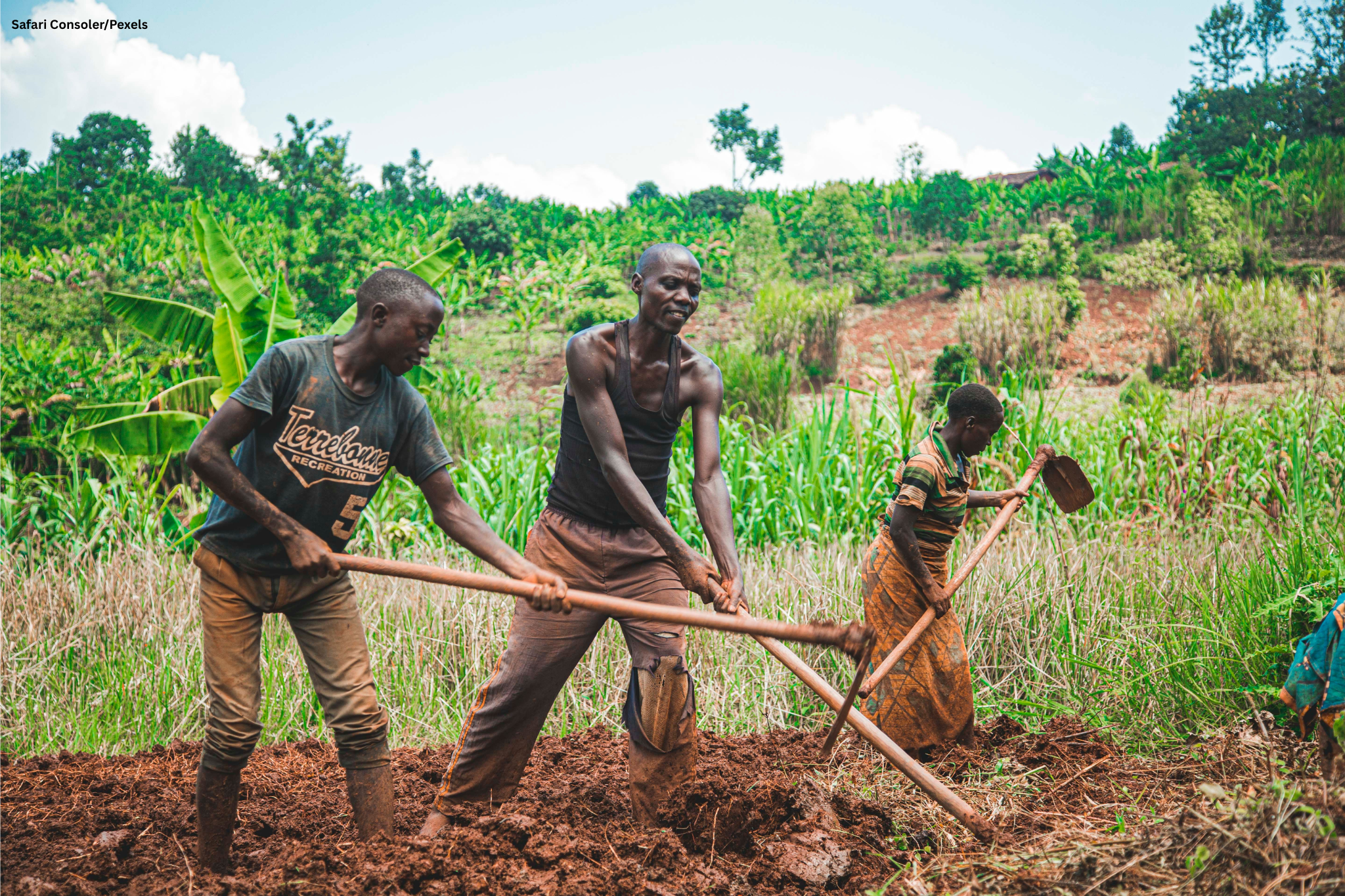
SI, which differs from conventional intensification: relying on expanding cultivated land or increasing chemical inputs at the expense of soil health, biodiversity, and water systems, promotes innovations such as stress-tolerant crop varieties, integrated soil fertility management, conservation agriculture, and modern irrigation systems that enhance yields while reducing ecological harm.
The report highlights that outscaling SI is a game changer for Sub Saharan Africa's food systems because it promotes:
Productivity: Meeting rising food demand without expanding farmland.
- Efficiency: Using inputs such as water, fertilizer, and energy more effectively.
Environmental stewardship: Reducing greenhouse gas emissions, soil degradation, and biodiversity loss.
By aligning agricultural growth with sustainability, this report shows that SI offers a pathway to achieve multiple Sustainable Development Goals (SDGs)—including zero hunger, climate action, and life on land.
The COINS project is about Co-developing innovations for sustainable land management in West African smallholder farming systems. This multi-stakeholder project is investigating which efficient forms of land management are effective in intesifying agriculture on the same area in a sustainable way in Ghana and Senegal.
Project partners include :University of Ghana, WASCAL, UNU-INRA, Acre Africa, IPAR, DLR, ZALF, UNU-EHS and UNI Bonn.