

A documentary created to bring UNU-EHS research on interconnected risks to life has sparked conversations far beyond its original purpose, including among the communities whose stories it tells.
"Chinamperos: Preserving Ancestral Farming Practices in Mexico City" was inspired by the Interconnected Disaster Risks 2025 report and explores how the "chinamperos" of Xochimilco preserve ancestral agricultural practices while facing pressures including urbanization, environmental degradation and climate change. Chinamperos cultivate chinampas, fertile plots built on wetlands, using agricultural knowledge and practices passed down through generations.
In a new article, UN News traces the documentary’s journey from Xochimilco to COP30 and film festivals across Europe, and ultimately back to Mexico City. The story looks at the impact the film has had within the community, including how it helped inspire the creation of the Permanent Seminar on Xochimilco Studies (SEPEX), a local initiative fostering dialogue about the territory and its culture.
It also reflects on what this visibility has meant for the people who participated in the film. Mariana Páez of Xochimilco recounts how chinampero Samuel Avelino, who passed away earlier this year, shared UN News’ previous coverage of the documentary shortly before his death.
“He felt heard,” she said.
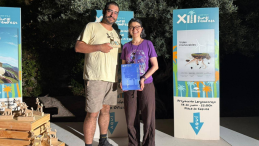
The story also follows the documentary’s return to Mexico, where UNU-EHS joined community members, researchers, students, UN representatives and local officials for a field visit and screenings in Xochimilco and Mexico City.
Published by UN News in both English and Spanish, the story brings the experiences of Xochimilco and its chinamperos to audiences across languages.
Read the full UN News story, “‘He felt heard’: How a film brought a UN report to life in Xochimilco,” in English or Spanish.