

Ocean warming is one of the clearest effects of a changing climate. The ocean absorbs most of the excess heat trapped by greenhouse gas emissions, helping slow the rate of warming in the atmosphere. This natural buffer has protected humanity from even more rapid increases in global temperatures. But it comes at a cost. As the ocean warms, marine ecosystems are changing, weather patterns are shifting and the many benefits provided by oceans, that billions of people rely on, are increasingly under pressure. While the onset of El Niño is contributing to these unusually high temperatures, scientists are observing a long-term trend driven by human-induced climate change.
Here are five facts on ocean warming:
The ocean has absorbed most of the excess heat from climate change
The ocean has absorbed more than 90 per cent of the excess heat trapped by greenhouse gas emissions since the 1970s, according to the IPCC. This makes it one of the Earth's most important climate buffers. Without it, global temperatures on land would have risen much faster. The increase in Earth's temperatures is overwhelming Ocean capacity to provide this function.
Ocean warming is changing marine ecosystems
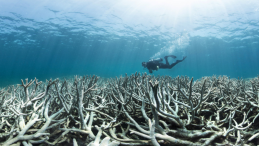
Marine species have evolved to thrive within specific temperature ranges, making them highly sensitive to warming waters. As ocean temperatures rise, many fish, seabirds and marine mammals are shifting their distribution in search of cooler habitats. Habitat-forming organisms which are less mobile, such as corals, are experiencing bleaching events that can lead to widespread mortality. Ocean warming also contributes to deoxygenation, reducing the amount of oxygen available in seawater and placing additional stress on marine life.
What happens in the ocean doesn’t stay in the ocean
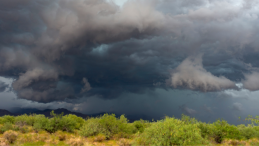
Ocean warming affects far more than marine life. Warmer ocean temperatures provide more energy for storms, increase evaporation and can contribute to heavier rainfall and flooding that impact life on land. It also affects the planet's cryosphere, the areas of Earth where water is in solid form, such as ice sheets and glaciers. When seawater warms, for instance, it expands and contributes to sea level rise alongside melting glaciers and ice sheets. Warming oceans are also affecting fisheries and aquaculture, which threaten food security and livelihoods, while the loss of coral reefs and mangroves leaves many coastal communities more exposed to erosion and storm surges.
Ocean temperatures are reaching unprecedented levels
Ocean temperatures have been breaking records in recent years, reflecting the combined influence of long-term climate change and natural climate variability such as El Niño. In 2026, global sea surface temperatures again reached record highs for the time of year, according to the Copernicus Climate Change Service and the Copernicus Marine Service. Persistently warmer oceans increase the likelihood and severity of marine heatwaves, place additional stress on marine ecosystems and influence weather patterns around the world.
Reducing emissions and protecting marine ecosystems matter
Limiting greenhouse gas emissions remains the most effective way to slow ocean warming and reduce future risks. At the same time, adaptation measures can help strengthen the resilience of marine ecosystems and coastal communities. Establishing marine protected areas, managing fisheries sustainably, restoring coastal ecosystems such as mangroves and investing in scientific monitoring can all help increase their resilience and ability to buffer against the impacts of a warming ocean while supporting biodiversity and the people who depend on it.
Suggested citation: "5 Facts on Ocean Warming," United Nations University, UNU-EHS, 2026-07-09, https://unu.edu/ehs/article/5-facts-ocean-warming.