Delivering on climate commitments requires investment in the infrastructure and systems that make the energy transition possible. At COP31, the challenge of implementation is inseparable from the question of finance: declining public and multilateral funding is changing the resources available for climate action, while governments face growing demands to deliver on climate and development priorities. Mobilizing additional investment with limited public and concessional resources is therefore an increasingly important part of advancing the Sustainable Development Goals (SDGs), particularly SDG 7 on clean energy, SDG 9 on resilient infrastructure, SDG 13 on climate action and SDG 17 on partnerships.
The Transforming to Cleaner and Greener (TCG) initiative, under development by the BRS Secretariat with multilateral development partners, offers a practical case through which to explore this challenge. Ageing electricity grids contribute to energy losses, constrain renewable energy integration and, in many countries, contain equipment contaminated with polychlorinated biphenyls (PCBs). TCG proposes to combine asset-level data, targeted grants, guarantees and investment to address these barriers and mobilize financing for modern, renewable-ready grids.
This moderated conversation will examine how TCG responds to contemporary financing challenges, what it means for the BRS Secretariat’s broader approach to resource mobilization, and how the model could move from concept to implementation. It will explore the legal, institutional, technical and partnership arrangements needed to advance the initiative, as well as the potential to adapt its approach to other institutions and issue areas. The discussion connects the BRS experience with UNU- CPR’s GGI Hub for Innovative Resource Mobilization, which examines how international organizations can develop and apply new approaches to financing international cooperation.
Format
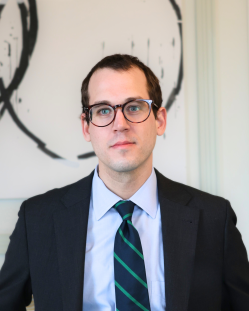
A 45-minute moderated interview with Michael Franczak, Senior Researcher in Multilateralism and Global Governance at UNU-CPR; Rolph Payet, Executive Secretary of the BRS Conventions; and a representative from a multilateral development bank (to be confirmed). The conversation will focus on the practical opportunities, implementation challenges and wider lessons of the TCG initiative.
Questions for discussion
- How does TCG respond to changing financing conditions for climate and the environment, and what does it signal about the BRS Secretariat’s approach to resource mobilization?
- How does the TCG model work, and what makes it innovative?
- What legal, institutional, technical and partnership arrangements were needed to advance the initiative?
- What lessons does TCG offer other international organizations seeking to mobilize resources for global public goods?
- Where else could the model be applied, and what conditions would enable it to work in other sectors and institutions?