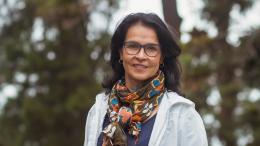


Between September and November 2025, doctoral researcher Javiera Valentina Fontecilla Escobar carried out a transformative scientific internship supported by the UNU-BIOLAC Fellowship Programme. Hosted at the Centro de Medicina Regenerativa, Facultad de Medicina, Clínica Alemana – Universidad del Desarrollo (UDD) in Santiago, Chile, and sent by the Instituto de Histología y Embriología de Mendoza (IHEM), CONICET – Universidad Nacional de Cuyo, Javiera immersed herself in cutting-edge work at the intersection of stem cell biology, angiogenesis, and cannabinoid research.
Her project explored the therapeutic potential of the secretome derived from human mesenchymal stem cells (hMSC) after they were preconditioned with bioactive compounds from Cannabis sativa. Originally conceived to address diabetic wound healing, the research evolved strategically as early findings revealed a unique opportunity to examine in depth how cannabis-derived molecules modulate angiogenesis—the formation of new blood vessels, a fundamental process in tissue repair. This shift allowed Javiera to conduct a more focused and mechanistic study, generating high‑quality experimental data and enabling her participation in a prestigious international scientific congress.
During the fellowship, Javiera carried out a comprehensive series of molecular, in vitro, and in vivo experiments. She began by preconditioning human umbilical cord–derived MSCs with selected cannabinoid-rich extracts, identifying those that elicited the strongest pro-regenerative responses. She then examined gene expression changes associated with tissue repair and angiogenesis using RT‑qPCR and evaluated the functional effects of the modified secretome on endothelial cells. Her assays demonstrated that the treated secretome significantly enhanced endothelial cell proliferation and promoted the formation of complex capillary‑like structures—clear evidence of improved angiogenic capacity. The findings were further validated in vivo through the chick chorioallantoic membrane (CAM) assay, where the cannabinoid‑primed secretome increased vascular branching under physiological conditions. Together, these results show that targeted cannabinoid-based preconditioning can strengthen the regenerative potential of MSC-derived secretomes.
Beyond their scientific value, these findings carry important translational implications. As the field of regenerative medicine continues shifting toward cell-free therapies, enhanced secretomes represent a promising therapeutic avenue: they are safer, more stable, easier to produce, and hold strong potential for treating chronic wounds and other conditions requiring robust angiogenesis. Javiera’s work contributes valuable evidence to a growing body of research suggesting that Cannabis sativa bioactives can modulate cellular secretory profiles in ways that benefit tissue repair. Her study not only opens new opportunities for therapeutic development but also aligns with a broader One Health perspective that integrates human health, biological systems, and translational innovation.
This achievement was made possible thanks to the guidance and support of two accomplished mentors: Dr. María Celeste Ruete, researcher at IHEM-CONICET and specialist in reproductive and regenerative biology with cannabinoid expertise, and Dr. Marcelo Ezquer, renowned investigator at UDD with deep experience in mesenchymal stem cells and angiogenesis. Their mentorship was integral to the success of the project, helping shape both the scientific direction and methodological precision of the work.
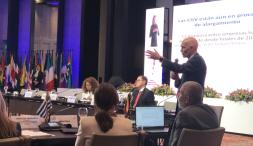
Javiera expressed that the fellowship was not only scientifically enriching but also personally meaningful, granting her access to an international collaborative environment, new technical skills, and valuable opportunities for dissemination—including a poster presentation at the XXXVII Annual Meeting of the Chilean Society for Cell Biology and the preparation of an original research article now submitted for publication.
UNU-BIOLAC congratulates Javiera for her outstanding achievements and extends heartfelt thanks to IHEM-CONICET, the Centro de Medicina Regenerativa of UDD, and mentors Dr. María Celeste Ruete and Dr. Marcelo Ezquer for their commitment to scientific excellence and regional capacity-building. Her work exemplifies the spirit of the programme: empowering emerging scientists to generate high‑impact research that advances biotechnology and benefits society across Latin America.