

The course “Bacterial Nucleotide Second Messengers: Molecular Mechanisms and Biotechnological Applications” provided participants with a rigorous and up‑to‑date overview of intracellular signaling systems that allow bacteria to sense and respond to environmental changes. Through a balanced combination of theoretical lectures and hands‑on laboratory sessions, participants gained a solid understanding of key nucleotide second messengers such as c‑di‑GMP, c‑di‑AMP, and the alarmone (p)ppGpp, including their synthesis, degradation, and regulatory roles. These molecules act as intracellular signaling intermediates—so‑called second messengers—that translate external or internal cues into coordinated cellular responses, controlling processes such as motility, biofilm formation, virulence, stress adaptation, and metabolic regulation. Experimental training exposed attendees to widely used methodologies for studying these pathways, including biofilm assays, motility analyses, confocal microscopy, microfluidics, and protein–protein interaction systems, reinforcing the connection between molecular mechanisms and phenotypic outcomes.
Beyond conceptual learning, the course emphasized how knowledge of bacterial second messengers can be applied across biotechnology, health, and environmental sciences. Participants were encouraged to integrate signaling concepts and experimental tools into their own research projects, highlighting applications such as the rational design of anti‑biofilm strategies, the development of novel antimicrobial approaches, and the manipulation of microbial behaviors for industrial or agricultural purposes. Tthe activity strengthened local and international research networks and contributed to capacity building in microbial signaling across Latin America and the Caribbean. The course thus demonstrated how fundamental insights into second‑messenger networks can translate into practical solutions for addressing challenges related to infectious diseases, microbial control, and sustainable biotechnological innovation.
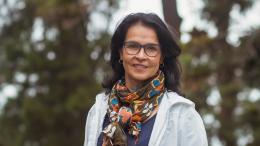
The United Nations University Biotechnology Programme for Latin America and the Caribbean (UNU‑BIOLAC) expresses its appreciation to the course coordinator, Dr. Julieta Fernandez, the organizing committee, invited speakers, and laboratory instructors for their scientific excellence and commitment to training. Special thanks are extended to the hosting institutions—the Instituto de Biotecnología y Biología Molecular (CONICET) and the Facultad de Ciencias Exactas of the Universidad Nacional de La Plata—for providing outstanding academic and logistical support, and to all partners whose collaboration ensured the successful implementation and regional impact of this course.