

Ensuring Ecological Connectivity in Socio-Ecological Production Landscapes and Seascapes (SEPLS)
This book explores how integrated landscape and seascape management can support biodiversity conservation, climate change mitigation and adaptation, and sustainable development.
This open access book sheds new light on the critical role of socio-ecological production landscapes and seascapes (SEPLS) in ensuring and enhancing ecological connectivity. Through a compilation of diverse case studies, it presents how integrated landscape and seascape management can support biodiversity conservation, climate change mitigation and adaptation, and sustainable development.
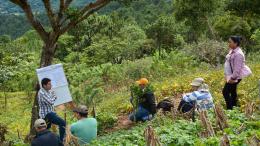
The chapters cover topics such as sustainable agricultural practices, forest protection, community involvement, and the preservation of traditional knowledge. It also includes the empowerment of communities to govern their natural resources, as seen in the Asunafo-Asutifi landscape of Ghana, and the integration of traditional wisdom with modern ecological practices in Nan’an. The book also investigates the potential of community forests in Thailand and the management of biocultural heritage territories in Kenya to enhance ecological connectivity. Readers will discover how these approaches contribute to the conservation of biodiversity and the sustainable management of natural resources. Expert contributors delve into the challenges and opportunities of maintaining ecological connectivity in various regions, from Ghana's cocoa landscapes to Colombia’s tropical dry enclave. Readers will explore innovative approaches to balancing livelihoods with environmental sustainability, highlighting the importance of local and regional perspectives.
This volume is essential for researchers, policymakers, and practitioners in fields such as landscape ecology, environmental governance, and sustainable development. It provides valuable insights into effective strategies for operationalizing ecological connectivity in spatial planning and management. By showcasing practical examples from around the world, this book serves as a vital resource for anyone committed to fostering resilient social-ecological systems and thriving communities.