

A few centimetres of sea-level rise may not sound like much. Along a coastline, however, they can determine how far a storm surge travels, whether saltwater reaches freshwater supplies, and how often homes, roads and schools flood.
Sea levels are rising around the world. What is driving this rise, how much higher can they go and what can coastal communities do to prepare?
What is sea level rise?
Sea level rise is the long-term increase in the average height of the ocean. It is mainly driven by two processes linked to human-induced global warming.
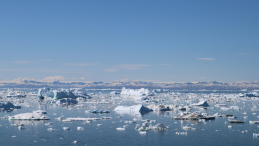
The first is melting ice on land. Glaciers and the vast ice sheets covering Greenland and Antarctica store enormous amounts of water. As climate change drives global temperatures higher, more ice melts, adding water to the ocean.
The second process is called thermal expansion. The ocean has absorbed more than 90 per cent of the excess heat accumulated in the Earth system since 1971. As water warms, it expands, contributing to rising sea levels.
The amount of sea level rise varies from one coast to another, shaped by ocean currents, winds, gravity and movements of the land. In some places, groundwater extraction and other human activities can cause the land to sink. When rising seas coincide with sinking land, the local impacts can be much more severe.
Why does sea level rise matter?
Around 900 million people live in low-elevation coastal areas – land along the coast that lies no more than 10 metres above average sea level.
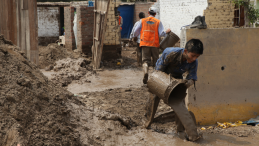
For these communities, rising seas can mean more frequent and severe flooding, damage to homes and essential infrastructure, and loss of land through erosion. Saltwater can also seep into rivers, soils and freshwater supplies, affecting drinking water, crops and agricultural land. Coastal ecosystems such as mangroves, salt marshes, coral reefs and beaches are also at risk, with consequences for biodiversity and local livelihoods.
The impacts of these risks are not felt in the same way everywhere. Small Island Developing States, such as Tuvalu and the Maldives, along with low-lying coastal communities and densely populated river deltas, are particularly exposed. Within these communities, the most vulnerable may struggle to protect their homes and livelihoods, recover from flooding or relocate when risks become too great.
According to projections assessed by the Intergovernmental Panel on Climate Change, global mean sea level could rise by approximately 38 centimetres by 2100 under a very low-emissions scenario, or around 77 centimetres under a very high-emissions scenario, compared with the 1995–2014 average.
The difference between centimetres could be critical. For some coastal communities, it may determine whether rising sea levels remain a manageable risk or force increasingly difficult choices about where and how to live.
What can be done?
Though some of the expected sea level rise can no longer be avoided, every fraction of a degree of warming still matters. Reducing greenhouse gas emissions can limit the scale and speed of future rises and give communities more time to adapt for long term consequences or to plan relocation in a just and equitable way.
At the same time, coastal communities need support to prepare for changes already underway. Nature can be one of their strongest lines of defence. Mangroves, wetlands, coral reefs and sand dunes can absorb wave energy, reduce erosion and limit coastal flooding, while supporting biodiversity and local livelihoods. Protecting existing ecosystems and restoring degraded ones can therefore strengthen coastal resilience. Depending on the local context, these approaches can be combined with seawalls and flood barriers, as well as other measures such as improving drainage, elevating buildings and strengthening early warning systems.
Sea level rise can change where people live, how they earn a living and whether communities can remain connected to the places that have shaped their history. No single response will work for every coastline. The most effective decisions combine scientific evidence with local and Indigenous knowledge and give communities a meaningful role in shaping their future.
Suggested citation: "What Is Sea Level Rise and Why Does It Matter? ," United Nations University, UNU-EHS, 2026-10-05, https://unu.edu/ehs/article/what-sea-level-rise-and-why-does-it-matter.