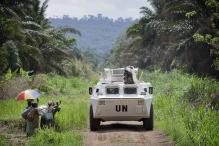


On 31 October 2014, the United Nations Secretary General appointed a High-Level Independent Panel on Peace Operations, with the aim to undertake a ‘comprehensive assessment of the state of United Nations peace operations today and the emerging needs of the future,’ especially with regard to the changing nature of conflict. With this paper, the UNU Centre for Policy Research wishes to nurture this debate and provide insight into major recent trends in violent conflict. This paper finds that:
-
After declining for much of the 1990s, major civil wars have almost tripled in recent years along with the number of battle deaths.
-
UN peace operations are increasingly deployed to situations where there is no peace to keep: roughly two-thirds of peacekeepers and almost 90 percent of SPM personnel are working in peace operations covering countries experiencing high-intensity conflict.
-
With a decline in civil wars ending in military victory, the conflict relapse rate has increased.
-
The conflict resolution cases on the UN’s agenda are becoming more difficult, increasing the average life-span of UN peace operations.
-
Conflicts are becoming more intractable and less conducive to traditional political settlements due to three main developments:
-
Organized crime has emerged as a major stress factor that exacerbates state fragility, undermines state legitimacy, especially in post-conflict settings, and often lowers the incentives of armed groups to enter political settlements;
-
The internationalization of civil wars, which tends to make them deadlier and longer;
-
The growing presence of violent extremist Islamist groups in UN mission areas, which complicates peacemaking and fosters a “hunker down and bunker up” mentality among UN peace operations.
-
-
Some forms of violence against civilian populations in wartime are increasing, posing challenges to the implementation of protection of civilians mandates. Among the key trends we see is that: a larger share of today’s mass atrocities takes place in the context of civil wars; rebel groups have become increasingly responsible for the majority of civilian deaths; and the number of displaced people due to violence is at an all-time high.
Access Major Recent Trends in Violent Conflict here.