

Dr. Raphael Ayambire will examine how the rapid expansion of critical-mineral extraction to support the green transition has intensified disputes over land, water and livelihoods. Environmental human rights defenders play a central role in these disputes by documenting ecological change, contesting official assessments and mobilizing community knowledge to challenge unjust practices. However, defenders often face criminalization, repression and violence, which can constrain both their ability to produce knowledge and their influence over decisions. Drawing on an analysis of a global archive of critical-mineral conflicts, Dr. Ayambire locates the vulnerability of defenders to violence and the limited institutional influence of their knowledge claims within an epistemic-accountability gap. This gap arises when institutions fail to recognize local and Indigenous knowledge, resource its production and mobilization, protect its holders and systems, or answer for how it informs decisions. The talk concludes by proposing a Recognition, Resourcing, Protection and Answerability (RRPA) framework as a basis for examining and addressing this gap. RRPA is intended to complement participatory mechanisms, including consultation and free, prior and informed consent, by foregrounding the reciprocal obligations that institutions owe to knowledge holders.
You may watch the talk on the UNU-INWEH YouTube channel (no registration required).
Speaker
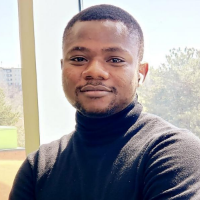
Dr. Raphael Ayambire
Research Fellow, Environmental Governance and Justice