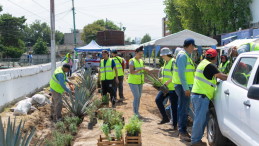


On 24 June 2026, the Fostering Reforestation, Environmental Sustainability and Tourism in the Okyeman Area (FOREST Okyeman) project received the 2026 Human Security Award, presented by the Group of Friends of Human Security with support from the United Nations Human Security Unit.
This distinguished award recognises United Nations programmes that have implemented projects delivering exceptional results and significant impact in enhancing the survival, livelihoods, and dignity of vulnerable populations through integrated, people‑centred solutions
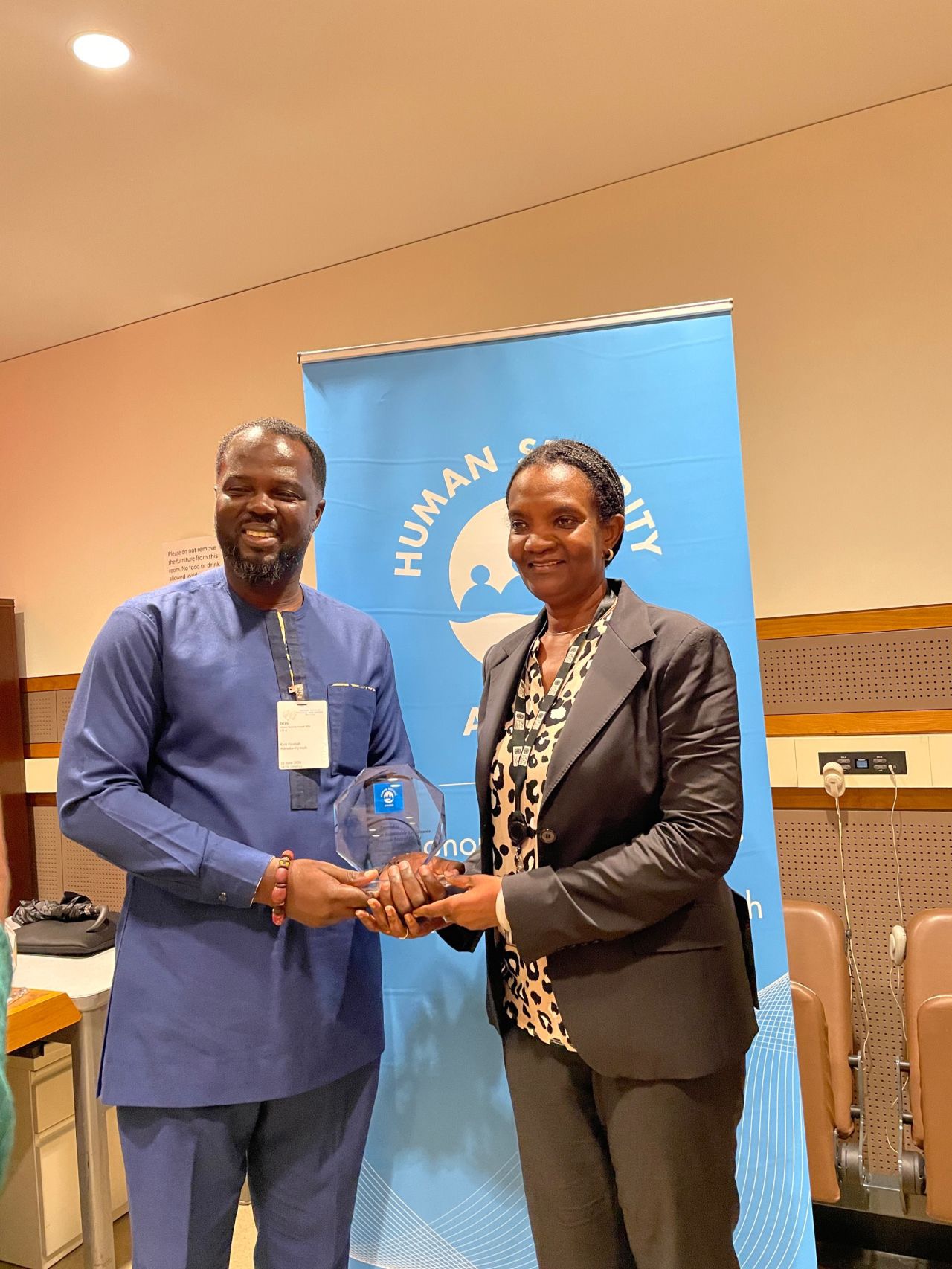
Speaking at the inaugural Human Security Awards ceremony, UNDP Ghana’s Forest Specialist, Ayirebi Frimpong, highlighted the transformative impact of the human security approach in addressing interconnected development challenges as he accepted the award on behalf of FOREST Okyeman. “This recognition affirms the value of the human security approach in addressing complex development challenges. Through FOREST Okyeman, we worked with communities, traditional authorities and partners to address the root causes of environmental degradation while strengthening livelihoods, health, education and local governance. The result is a more resilient and empowered community that is better equipped to shape its own sustainable future,” he said.
Funded by the United Nations Trust Fund for Human Security and implemented in the Akyem Abuakwa area of Ghana’s Eastern Region, the project addressed the interconnected impacts of forest degradation, environmental insecurity, health risks, food insecurity, education challenges, and livelihood vulnerabilities. Rather than treating deforestation as an isolated environmental issue, the project addressed the social, economic, and institutional factors driving environmental degradation.
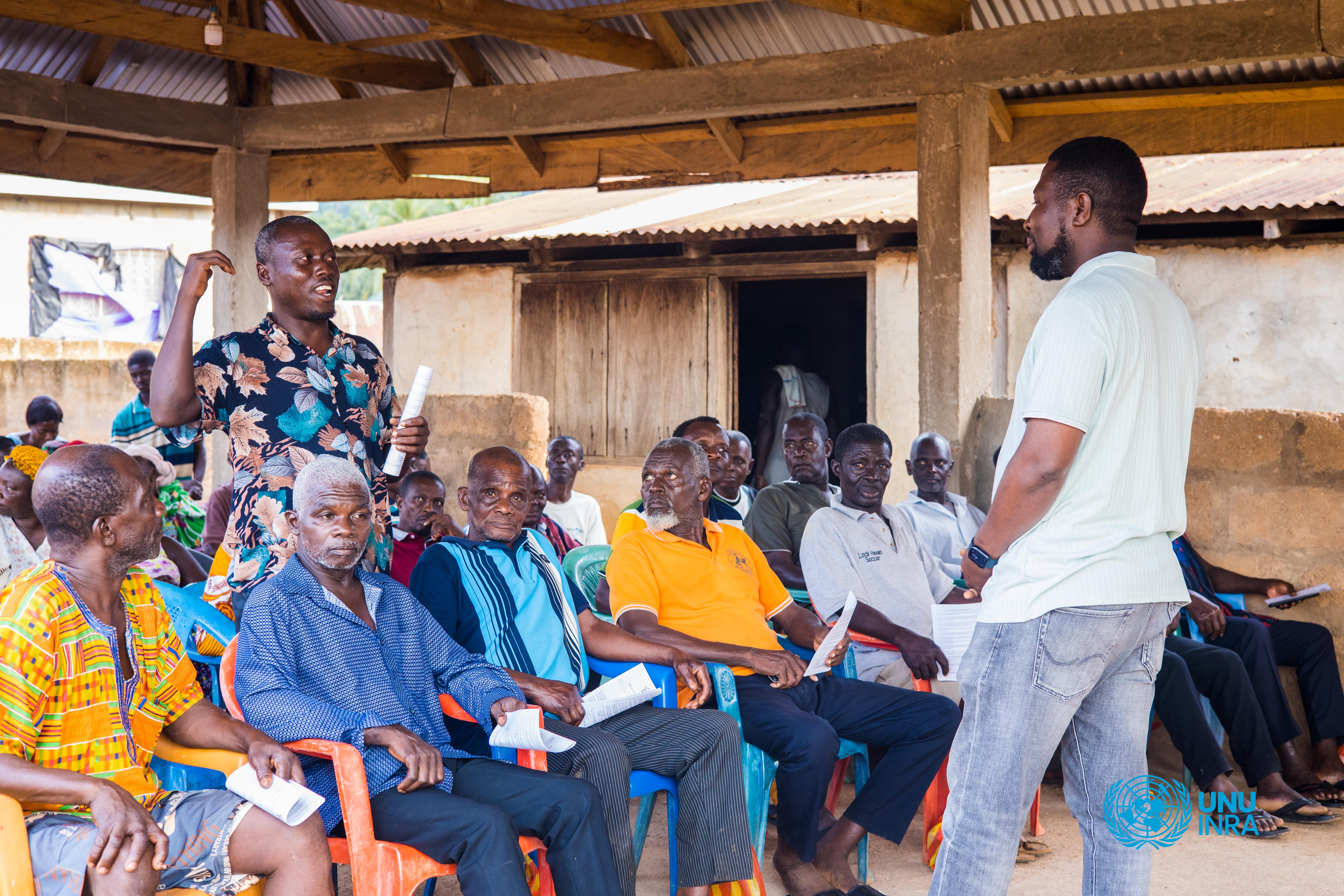
Through the project, communities in the Okyeman area restored degraded landscapes through nursery enterprises, established local governance structures for natural resource management(CREMA), strengthened environmental stewardship, and expanded opportunities for sustainable livelihoods. Community volunteers established 26 nursery enterprises and supported the production and planting of approximately 400,000 tree seedlings. Project stakeholders also provided capacity building training programs geared towards addressing economic, environmental, political, educational, nutrition, and health insecurities through a human security approach.
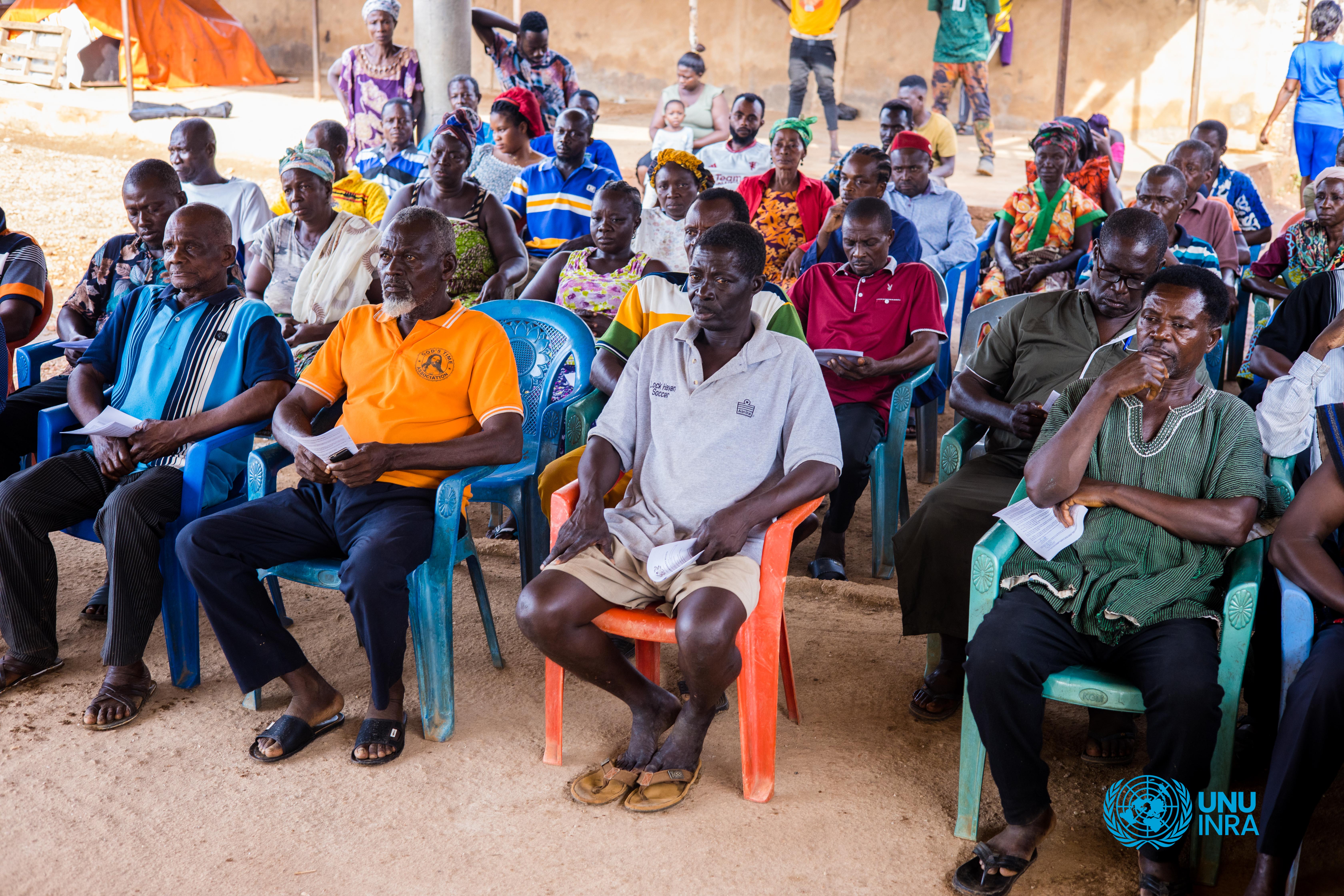
UNU-INRA’s major role, together with Forestry Commission-Wildlife Division, Okyeman Environmental Foundation and A-Rocha Ghana was to organise a series of capacity building workshops, (held in 8 communities), on legal frameworks for natural resource (water, wildlife, minerals, forest, land) management, sustainable agriculture, ecology and monitoring protocols for forests as well as identifying natural resource enterprises and value chains to improve livelihoods of the community. UNU-INRA supported by the Atewa West district assembly and community leaders then developed a CREMA by-law, which went through the necessary processes for gazetting and then later published in 2025.
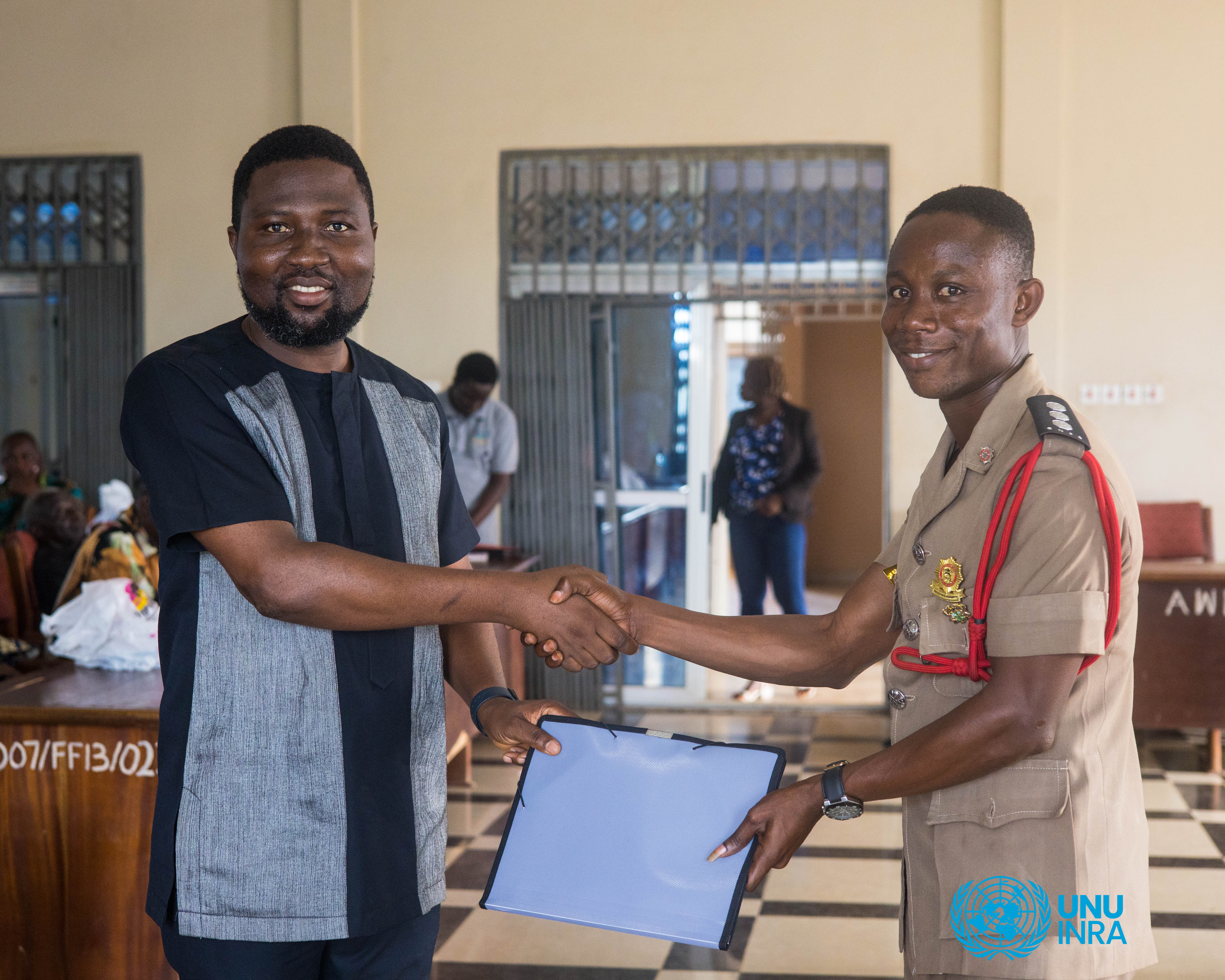
Project FOREST Okyeman was led by UNDP Ghana and supported by UNEP, UNICEF, WHO, CSOs, OEF, UNU-INRA, A Rocha-Ghana, Forestry Commission-Wildlife Division (WD),The Forest Okyeman Foundation, Atiwa West District Assembly, Government ministries, Agencies and other traditional authorities.