

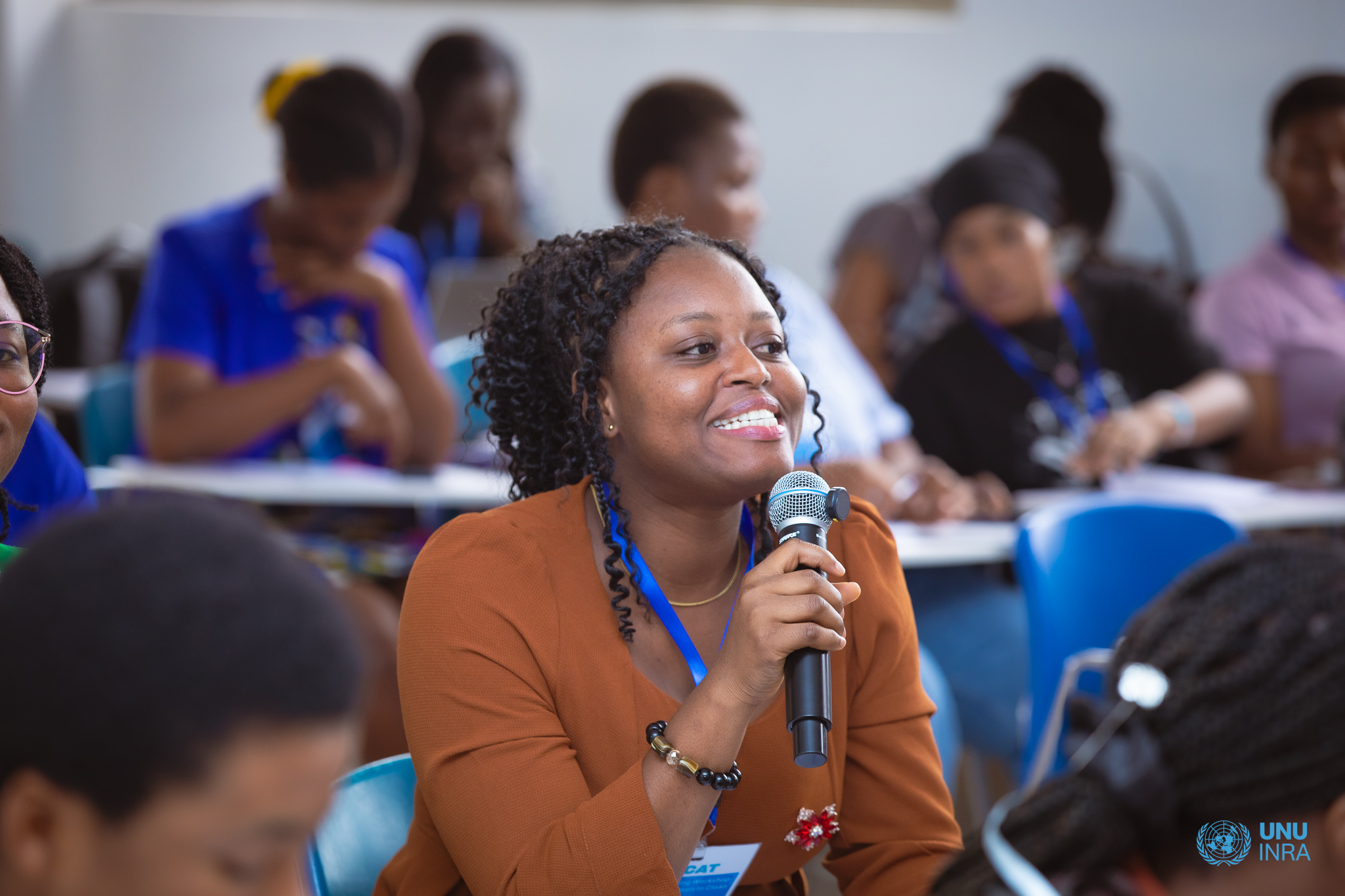
Erica Appiah, aged 30, is a dedicated and confident team member at Wobil Technologies, originally from Accra, Ghana. She shares her professional path leading to her recognition as one of the INFoCAT grant recipients by UNU-INRA.
 Early Days: Learning Responsibility, Building Resilience
Erica grew up with her mother in Accra. Raised in a single-parent household- due to her father’s passing, Erica, together with her siblings, was raised to understand the concept of responsibility and building resilience.
Though she lived in Accra, she frequently visited her grandmother and great-grandmother in Akim Swedru, who were subsistence farmers. During these visits, she often followed them to the farm where crops were often harvested for the home and the excess, sold to support the household. Here, she observed the tedious processes (planting, harvesting, threshing) that these older women had to go through to put food on the table.
In her teenage years, another key moment that shaped Erica’s sense of responsibility was assisting her mother to sell at her shop in a public school and sometimes at bus stations. The income generated from sales was to pay her school fees. According to Erica, “I have watched the women in my life work so tirelessly, so for me, it has almost become second nature. I have learnt to work hard no matter the circumstance- to achieve my goals.”
The Journey towards Entrepreneurship
Growing up, Erica says she always knew she wanted to be an entrepreneur, but was unclear about which field to explore. During her undergraduate studies in Agribusiness Management at KNUST, it became clear that agriculture was her path. She later pursued a Master’s in Agricultural Supply Chain Management. Upon reflection, , Erica realised that entrepreneurship runs in her family, as her mother, grandmother, and great-grandmother were all traders. “I think I was raised seeing business as survival — and eventually, as opportunity.”
The Genesis of Wobil Technologies
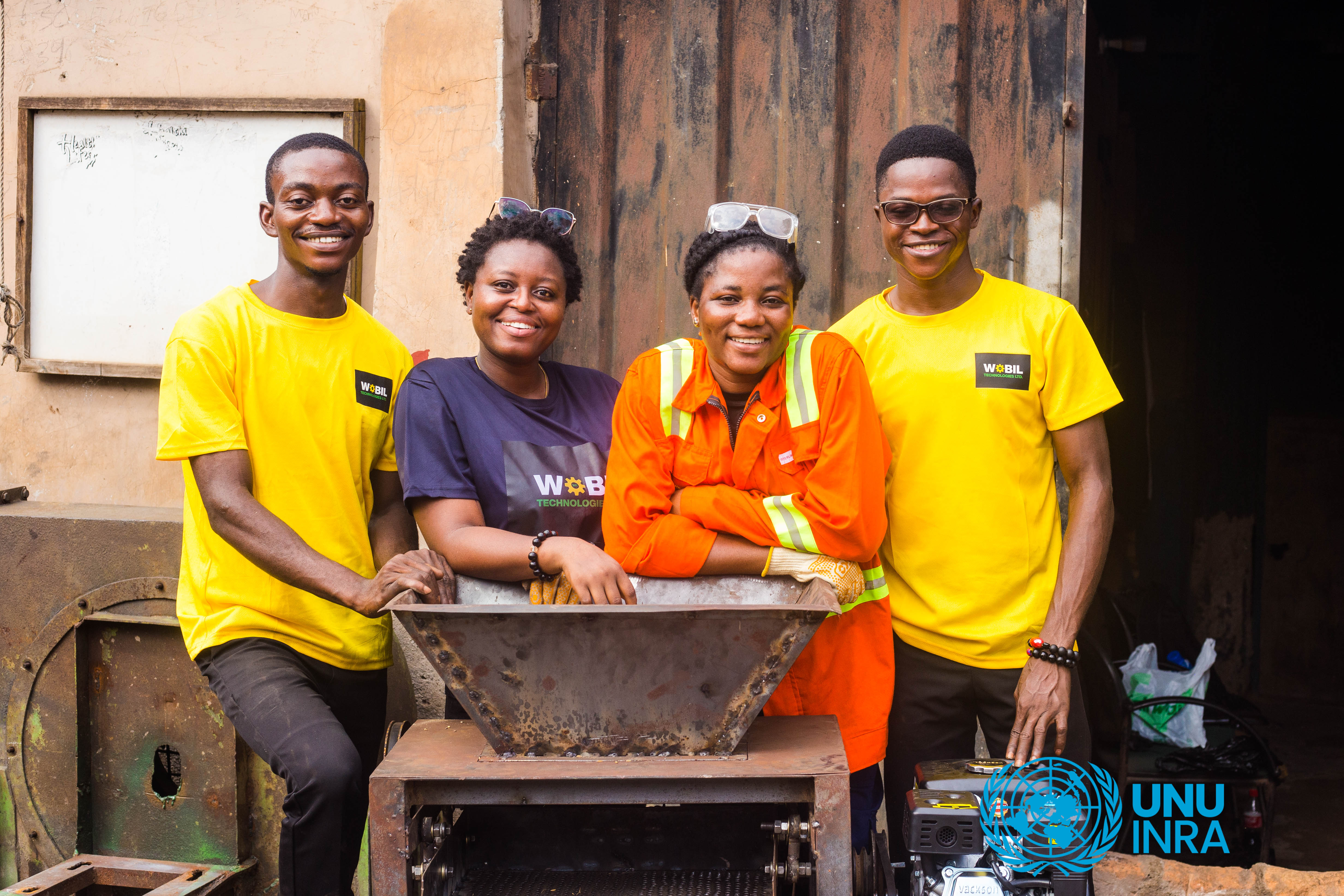
Erica met her co-founders — John and Solomon — in her second year at KNUST through the Mastercard Foundation Scholars Program. Solomon was her classmate. Around 2019/2020, this group of friends started a simple campus community project, which initially wasn’t registered and lacked funding. They just had a desire to solve problems they had witnessed in their own lives.
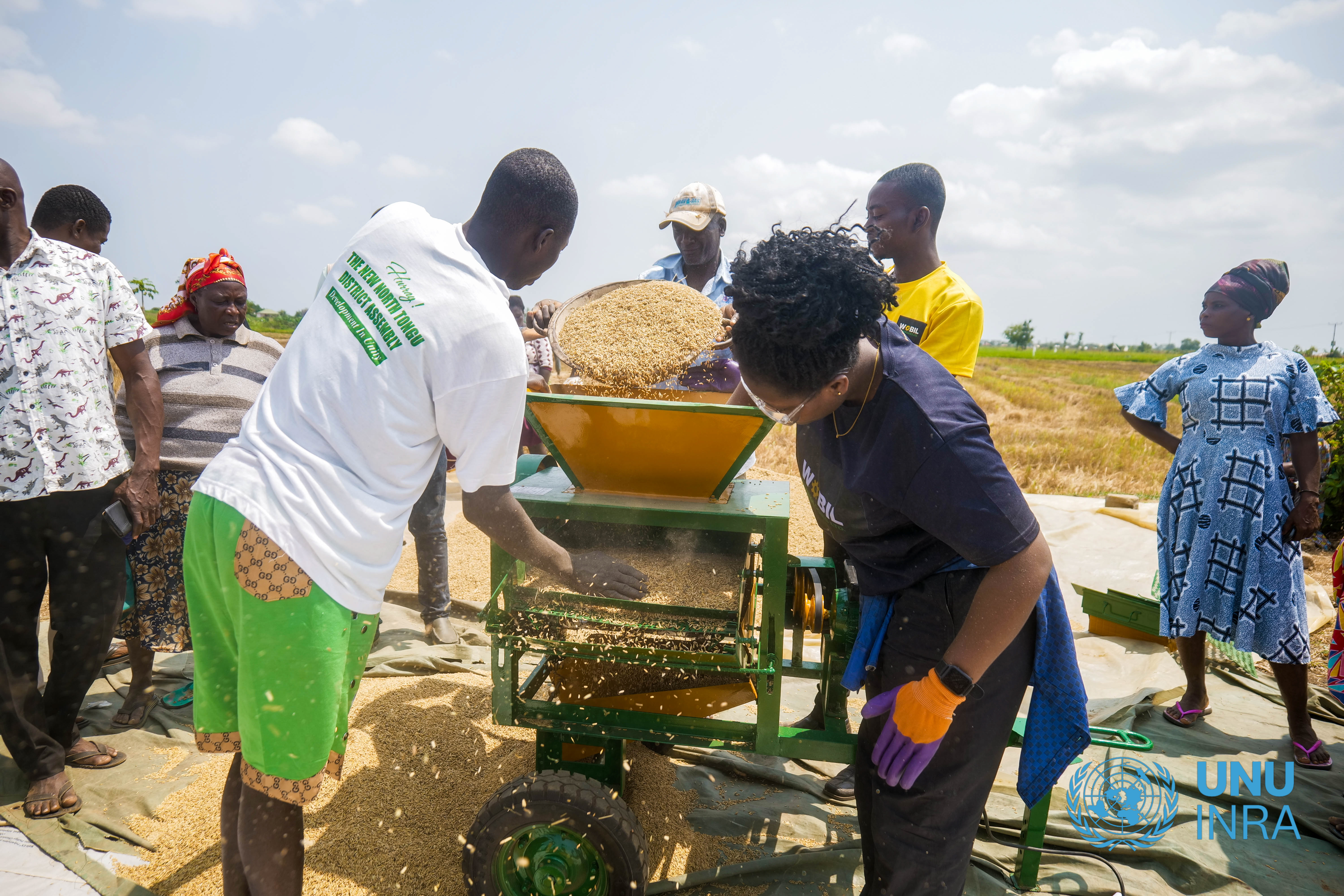
Because of her agribusiness background, she led many of the farmer engagements — speaking with them, understanding their needs, and translating that into product improvements like their initial agri-solution: a multi-stage rice thresher, which helps in the reduction of post-harvest losses by ensuring that farmers have access to timely rice threshing services.
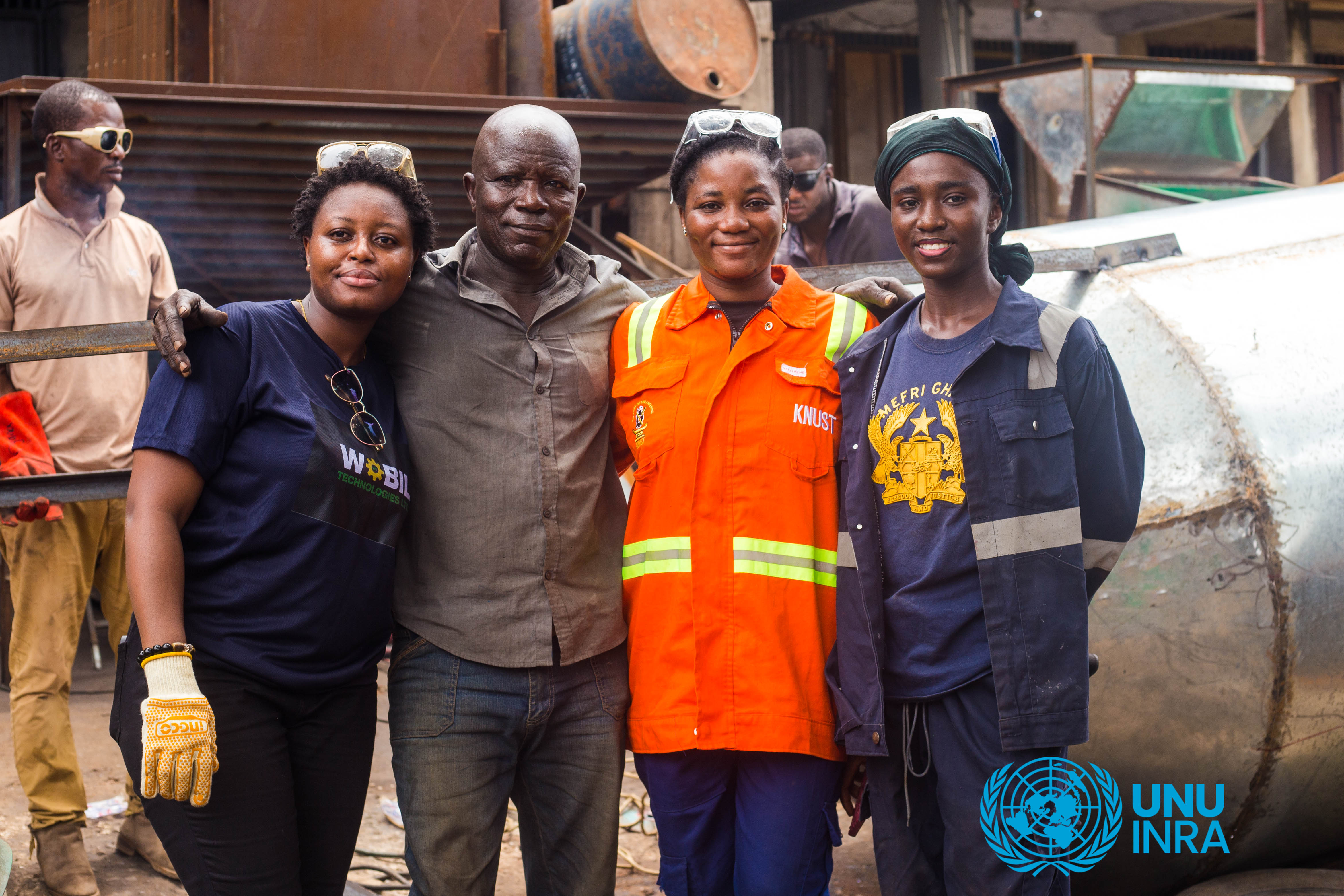
However, internally, things were not always smooth. Being strong-minded, and the only female in the team caused many disagreements. Managing team dynamics while balancing academics was also very challenging. Over time, however, this group of friends learnt the art of teamwork: effective communication and agreeing to disagree. She added that “honesty with each other has strengthened the business.”
The road to INFoCAT (Innovate to Clean Agricultural Technologies)
“We heard about the INFoCAT Innovation Challenge through a WhatsApp group.” After being selected, amongst hundreds of applicants, Erica said “I remember seeing the selection email first and immediately informing my team. It felt like answered prayers. The 30-month journey refined us — not just our machine.”
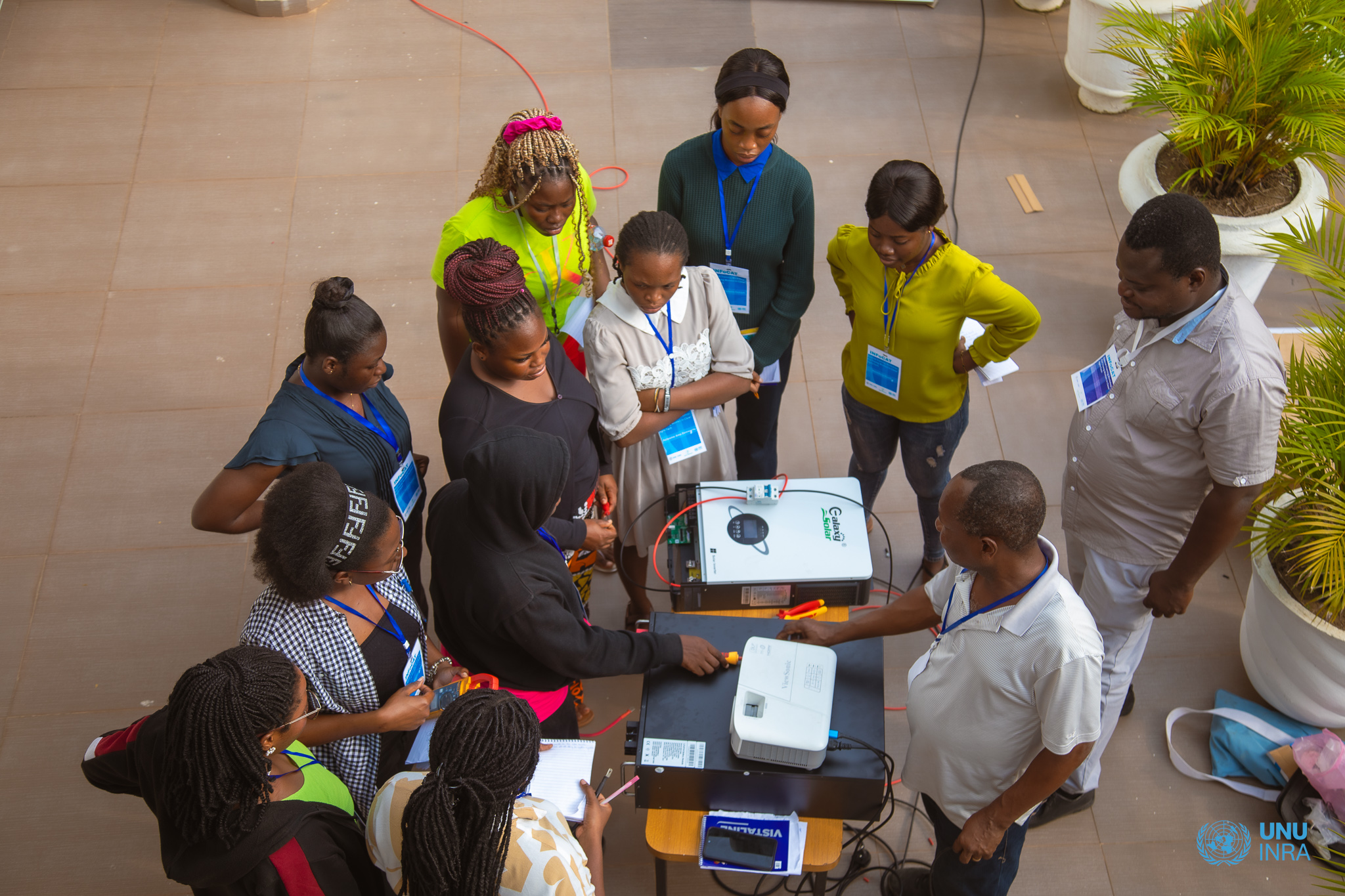
Erica recounts the INFoCAT journey, noting that the Wobil team learnt to properly cost their technology, maintain green energy standards, and design solutions that were affordable and women-friendly.
For Erica and her team, their initial multi-stage rice thresher focused on addressing manual threshing in the rice farming industry, especially among women smallholder farmers. With farmers losing up to 46% of their yield due to inefficient post-harvest methods, she had personally seen and read research on post-harvest methods and how post-harvest losses affected household income.
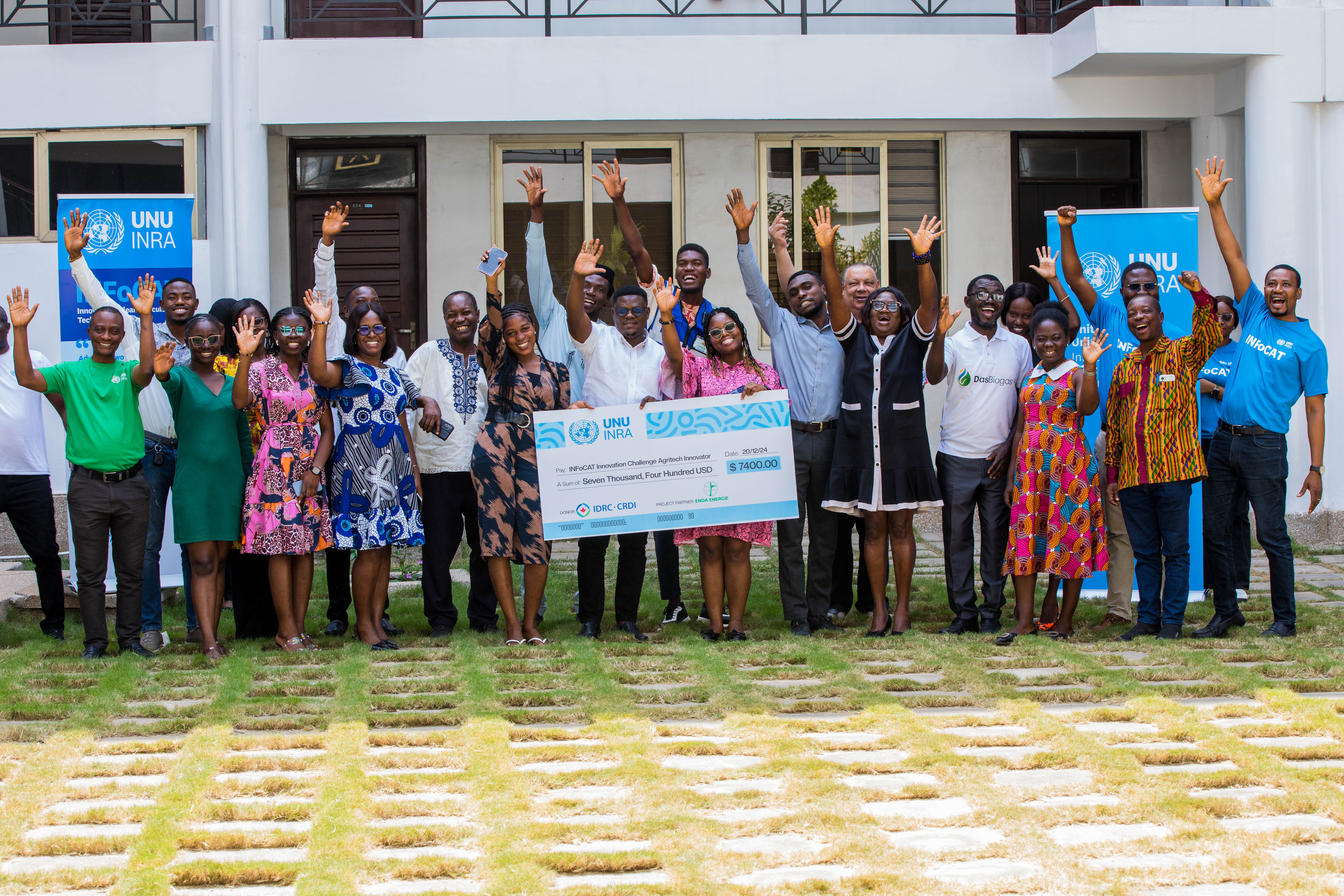
The INFoCAT project and initial seed fund of 7,400 USD, was earmarked to help selected innovators adapt their Agri solution into one that was more efficient, productive and solar energy powered. Erica stated that one of the toughest challenges was balancing quality, sustainability, and affordability. “We did not want to compromise on being fully green, but we also wanted farmers to be able to afford the technology.” With continuous coaching and guidance from industry experts (Agriculture, renewable energy experts), during the INFoCAT implementation period, balancing these various factors became possible.

For Erica and her team, the field testing (piloting innovations), was a turning point. Watching farmers operate the solar-powered grain winnower unassisted after a short demonstration showed the team that indeed, their innovation could have a real impact for these smallholder farmers.
Challenging moments in the Green Entrepreneurship journey
“Entrepreneurship has stretched me beyond what I imagined. There were times I questioned my decision repeatedly. The financial pressure was real.” As the eldest sibling, Erica was expected to contribute to the family. This responsibility had to be done in tandem with building a business with her team, which was not generating stable income. Erica added that there was also pressure from home to get a “proper paying job”. Though she believes people meant well, she said, “It was difficult hearing those comments while trying to build something meaningful.”
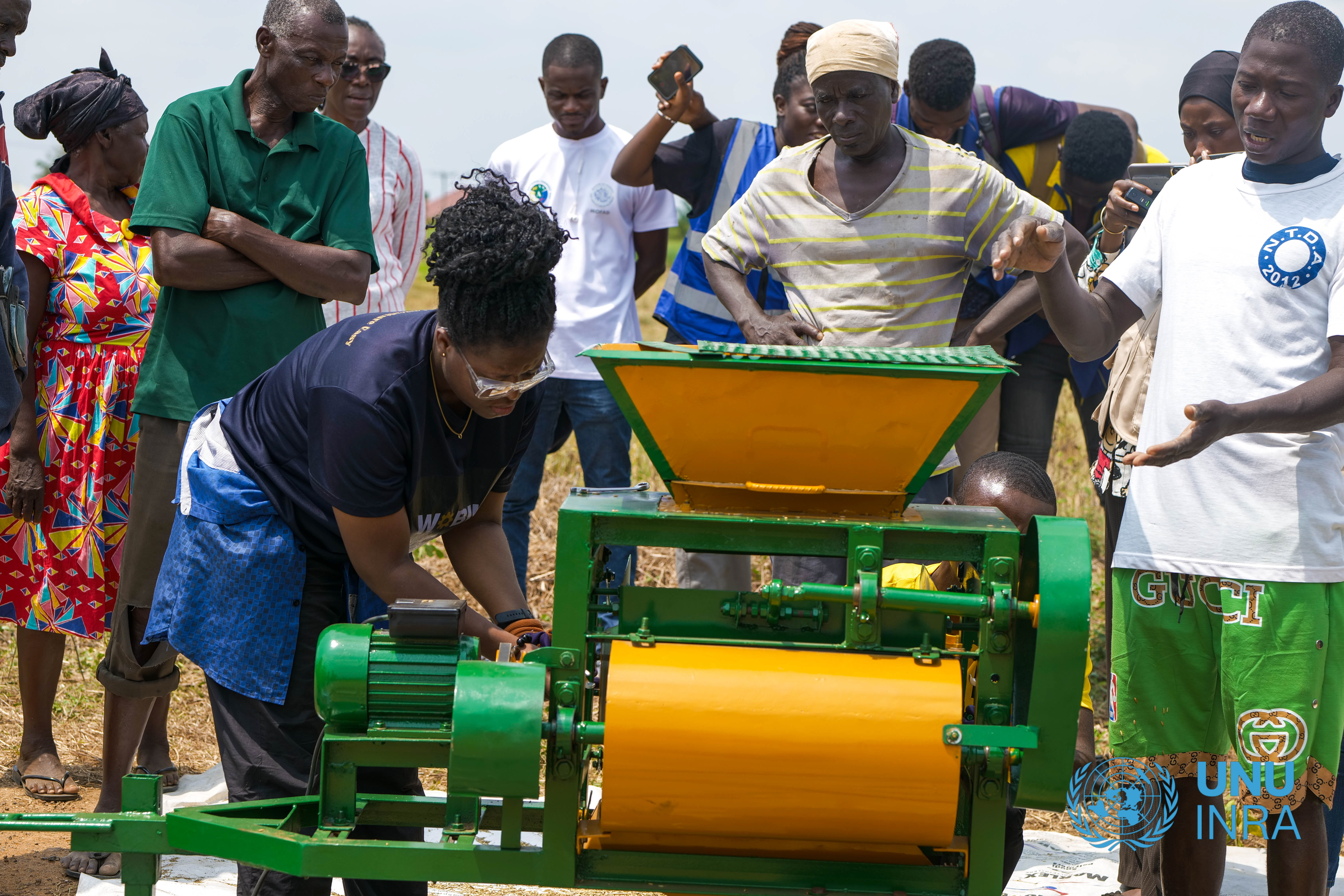
According to Erica, “entrepreneurship can be lonely. There were moments of self-doubt,
moments of comparing myself to peers who had stable careers. Support didn’t always come when we expected it. Funding was uncertain. Progress was slow, but what kept me going was the farmers.
Every time I saw a farmer use our machine and smile — every time I saw relief on their faces —it reminded me why the team started.”
Winning INFoCAT grant
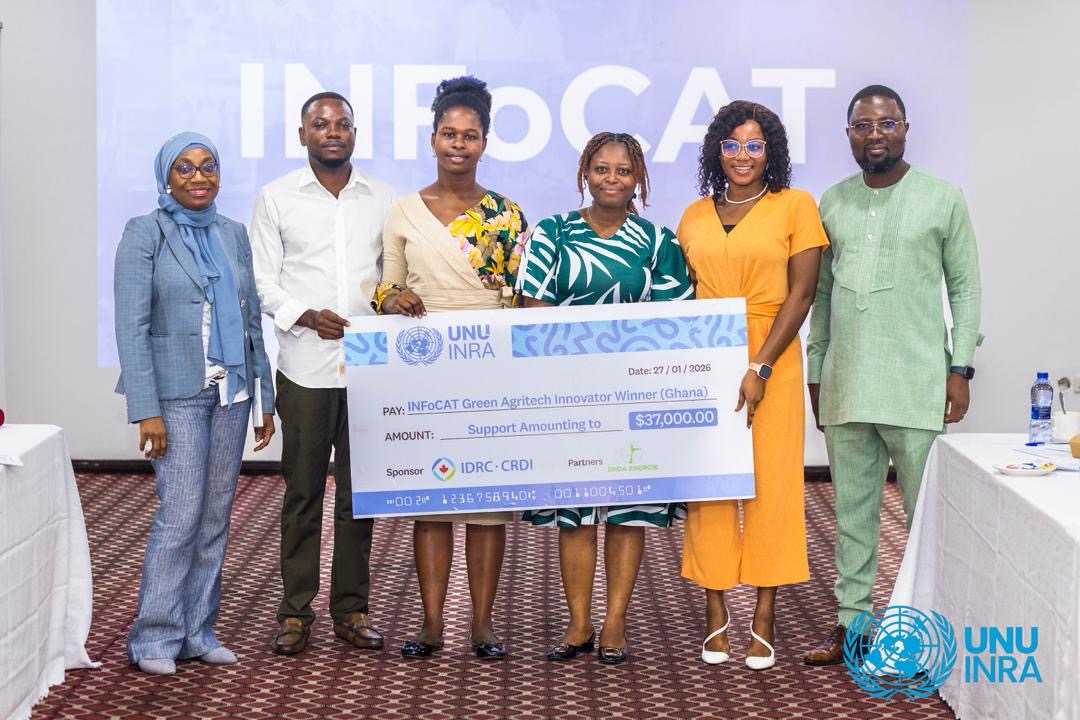
After a series of rigorous testing and grading by experts, Wobil Technologies was selected as one of the winners of the INFoCAT grant, which was about 25,000 USD. According to Erica, “winning was deeply affirming. It validated the sleepless nights, the financial uncertainty and the self-doubt. It strengthened my confidence as a green entrepreneur and as a woman in agriculture mechanization — a space where women are still underrepresented.”
She added that sometimes farmers are surprised to see that a female contributed to building these clean agritech machines. However, she noted that the surprise often turned into encouragement. These moments, according to Erica, overshadow the periods of struggle and have made her proud of her journey.
Erica’s Transformation throughout the INFoCAT journey
“The INFoCAT journey has changed how I define the word 'possible.” I now believe that, as long as I don’t give up and remain willing to learn, our innovation can overcome limitations. It has strengthened my identity — not just as an entrepreneur, but as a woman contributing to sustainable agriculture.
Words of Encouragement for women in the agricultural field/Green Sector.
“It is okay to feel tired. It is okay to feel discouraged. But quitting should never be an option.Entrepreneurship comes with setbacks, but those setbacks refine you. They build resilience.”
About INFoCAT
The INFoCAT project aims to advance economic empowerment of both women and youth in rural areas of selected African countries, by promoting low-cost clean energy-powered technology solutions that increase agricultural productivity and income for smallholder rural farmers.
INFoCAT is an initiative sponsored by IDRC under the Clean Energy for Development: A Call for Action programme. It is implemented by UNU-INRA(The United Nations University’s Institute for Natural Resources in Africa). Projects partners are Enda Energie( Senegal) and UNU INRA operating unit in Cote D’Ivoire. The project was implemented in selected rural smallholder farming communities in Ghana, Senegal and Cote D’Ivoire.
Suggested citation: Vanessa Awanyo., "A Story of Grit, Resilience, Being an outlier: Erica’s Journey to Winning UNU-INRA’s INFoCAT grant," UNU-INRA (blog), 2026-02-09, 2026, https://unu.edu/inra/blog-post/story-grit-resilience-being-outlier-ericas-journey-winning-unu-inras-infocat-grant.