

When the first-ever State of the World’s Migratory Species report came out in 2024, we wrote that the fate of several migratory species is hanging in the balance. Presented ahead of the 15th Meeting of the Conference of the Parties to the Convention on the Conservation of Migratory Species of Wild Animals (CMS COP 15), an interim update to this report reveals that fate remains uncertain with 49 per cent of migratory species populations in decline. For reference, just two years ago this number was 44 per cent. Meanwhile, 24 per cent of migratory species do now face extinction globally, an increase of two per cent. Here are the five key findings about the current state of the world’s migratory species:
Alarm bells continue to ring for the conservation of migratory birds
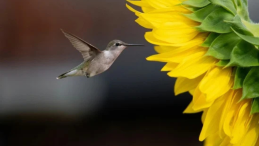
Key threats to migratory bird species include factors like habitat loss, climate change, pollution and illegal hunting activities. Because migratory birds depend on multiple habitats along their flyways, threats at any point along these routes can affect entire populations. 26 CMS-listed species have moved to higher extinction-risk categories according to the 2026 numbers, of which 18 are migratory birds.
Migratory marine species experience dramatic population declines
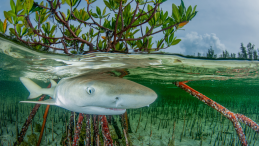
Marine animals such as sharks and rays are among the marine species that face enormous pressures, trying to survive in our oceans. Recent global analyses confirm that sharks and rays have experienced substantial increases in extinction risk since 1970, with populations declining by roughly half over that period due to overfishing, pollution, habitat degradation and climate change.
Freshwater migratory fish populations have dropped sharply
As much as an average of 81 per cent of monitored populations of freshwater migratory fish species experienced population declines globally between 1970 and 2020, according to the most recent Living Planet Index assessment. Like migratory birds and marine species, this decline is mostly due to habitat loss, pollution and climate change. Additionally, fish migration routes are disturbed by infrastructure barriers such as dams.
Human activities drive the decline of migratory species
The 2026 interim update of the State of the World’s Migratory Species report confirms that human activities continue to drive the global decline of migratory species, and that such species are particularly vulnerable because of their dependence on connected habitats across large geographic areas. Threats such as overexploitation and habitat loss, degradation and fragmentation are affecting migratory species worldwide, due to activities like unsustainable hunting and fishing. Additionally, changes to landscapes and ecosystems caused by agriculture, infrastructure development and other human activities also impacts their survival.
Conservation action can help species recover
Despite the alarming trends, conservation efforts can make a difference. The 2026 update shows that seven CMS-listed species have moved to a lower extinction risk category, reflecting improvements in their conservation status. These species include saiga antelope, scimitar-horned oryx and the Mediterranean monk seal, whose populations have recovered thank to coordinated conservation measures, habitat protection and stronger anti-poaching efforts.
However, truth remains that reducing species’ extinction risks can only be successful if human behavior and actions that drive biodiversity loss fundamentally change. Many species can recover, but not without coordinated action at all levels to put an end to the exploitative use of nature and biodiversity. Further reading on how to realign with nature is available here.