

Fidelity Bank Ghana, through its Partnerships, Sustainability & CSR Unit, in collaboration with UNU‑INRA, successfully hosted a webinar titled “Understanding Climate Risk: Lessons from Recent Accra Floods.”
The session, which was joined by about 300 Fidelity Bank Staff, explored the growing financial and operational risks posed by climate change and flooding in Ghana.
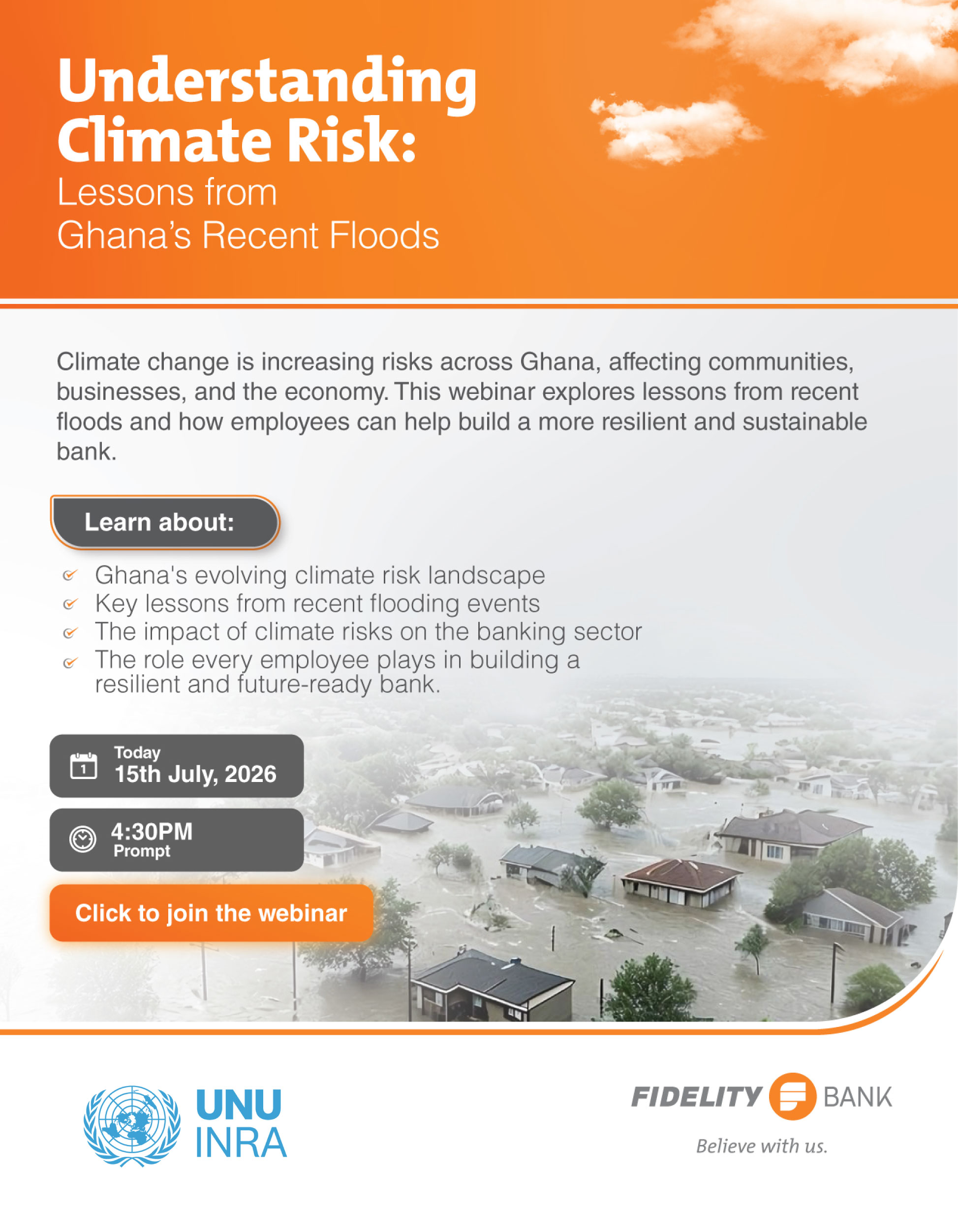
Speaking at the opening, Yvonne Piaso Mamalia, Fidelity's Strategy, Research and Impact Management Officer, emphasised the importance of understanding climate risks for business resilience, while Vanessa Awanyo, Communications Officer of UNU‑INRA, highlighted the Institute’s role in accelerating Africa's green transition and natural resource management across Africa.
The webinar, led by UNU-INRA research fellow, Barbara Baidoo, explained climate change as long-term shifts in climate patterns and variability, resulting in changes in temperature, rainfall patterns, and extreme weather events. She referenced climate variability phenomena such as El Niño(predicted in Ghana) and La Niña, which influence weather conditions globally and can affect rainfall and drought patterns in Ghana.
The speaker stressed that, climate change should no longer be viewed solely as an environmental issue but also as a significant business and financial concern. She buttressed that point by showing that climate-related events affect economic activity, customer livelihoods, asset values, and financial stability.
She also highlighted the dual nature of climate risks facing the banking sector including:
- Physical risks: floods, droughts, storms, and coastal erosion that directly damage infrastructure and disrupt operations.
- Transition risks: regulatory changes, policy reforms, and market shifts linked to the global low‑carbon transition.
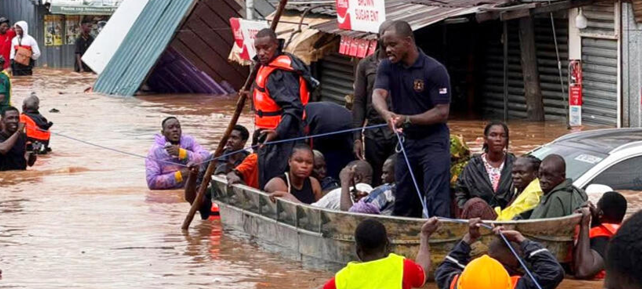
Drawing lessons from the recent Accra floods, the webinar underscored the scale of the challenge showing that, Ghana loses approximately US$300 million annually to floods, with more than 45,000 people affected each year and 4.3 million considered at high risk.
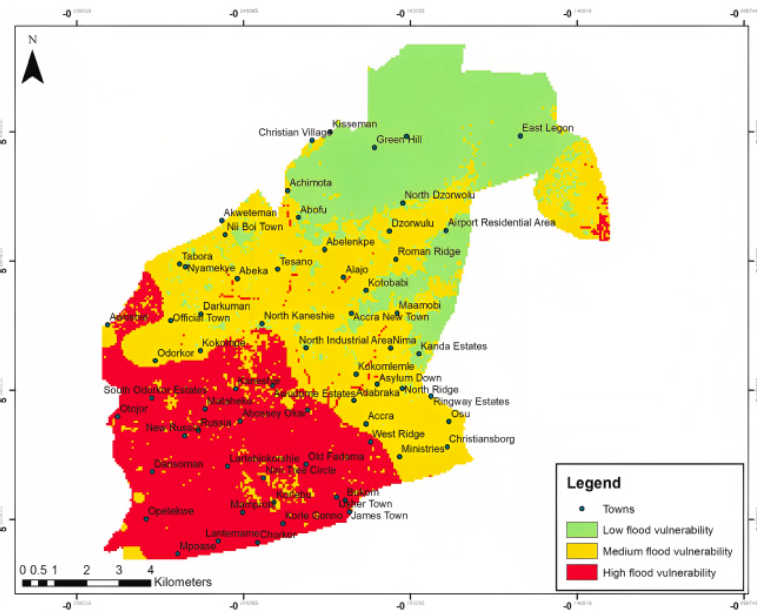
The webinar further highlighted that, about 71% of the Accra Metropolitan Area lies within medium‑ to high‑flood‑risk zones, with poor drainage, waste disposal, and urban planning intensifying the impacts of heavy rainfall.
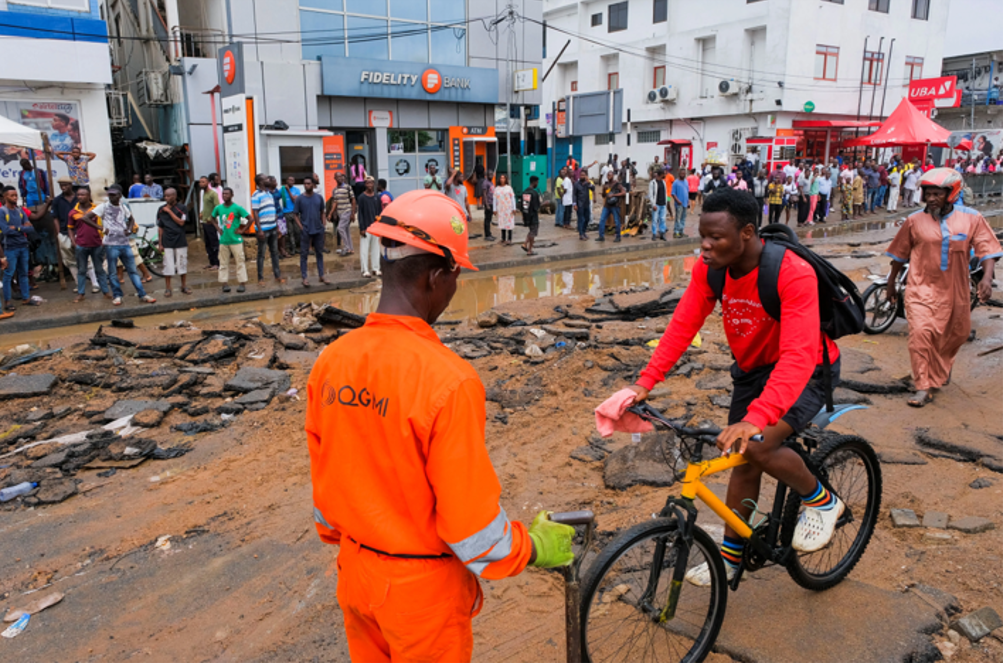
The discussion also examined sectoral exposure, noting that agriculture, MSMEs, construction, transport, and energy are particularly vulnerable to climate variability and regulatory pressures.
Key Recommendations for Financial Institutions
- Risk Management: integrate climate‑risk assessments into lending and governance frameworks.
- Sustainable Finance: support renewable energy, climate‑smart agriculture, and green infrastructure.
- Decarbonization: improve energy efficiency, digitalization, and reduce operational emissions.
- Employee Engagement: promote awareness of climate risks and sustainable products.
The webinar concluded with a call for collective action: financial institutions, government, businesses, and communities must collaborate to strengthen resilience and support Ghana’s transition to a low‑carbon economy.