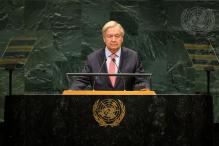


In 2024, United Nations Special Rapporteur on Extreme Poverty and Human Rights, Olivier de Schutter, challenged the assumption that economic growth alone can eradicate poverty, arguing instead for a structural shift toward a human rights-based, post-growth dependent model. His subsequent global Roadmap for the Eradication of Poverty Beyond Growth includes a dedicated pillar on governance – an area this UNU-CPR Discussion Paper directly advances.
The paper argues that contemporary governance systems are structurally short-termist, driven by electoral cycles, fiscal constraints and crisis response. This creates a “temporal governance gap”, where long-term risks – such as climate instability, demographic pressures and persistent inequality – are systematically deferred.
Drawing on systems thinking, the paper identifies four leverage points for reform:
- Intent: embed intergenerational justice and environmental stewardship in public institutions
- Design: strengthen democratic planning capacities through foresight, guardians for future generations and parliamentary committees for the future to ensure accountability over time
- Feedbacks: systematize early warning systems, and long-term well-being indicators.
- Parameters: reform fiscal frameworks and sovereign wealth funds to support long-term resilience, social protection and climate transitions.
Together, these reforms provide a governance roadmap to support poverty eradication beyond growth – shifting systems from reactive crisis management to anticipatory, preventive and future-oriented policymaking.
Read "Governing for the End of the Month or the End of the World?" here.
Suggested citation: Daouia Chalali. Governing for the End of the Month or the End of the World? Leverage Points to Overcome Governance Myopia : UNU-CPR, 2026.