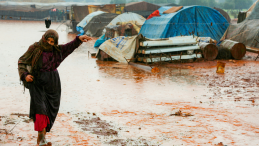


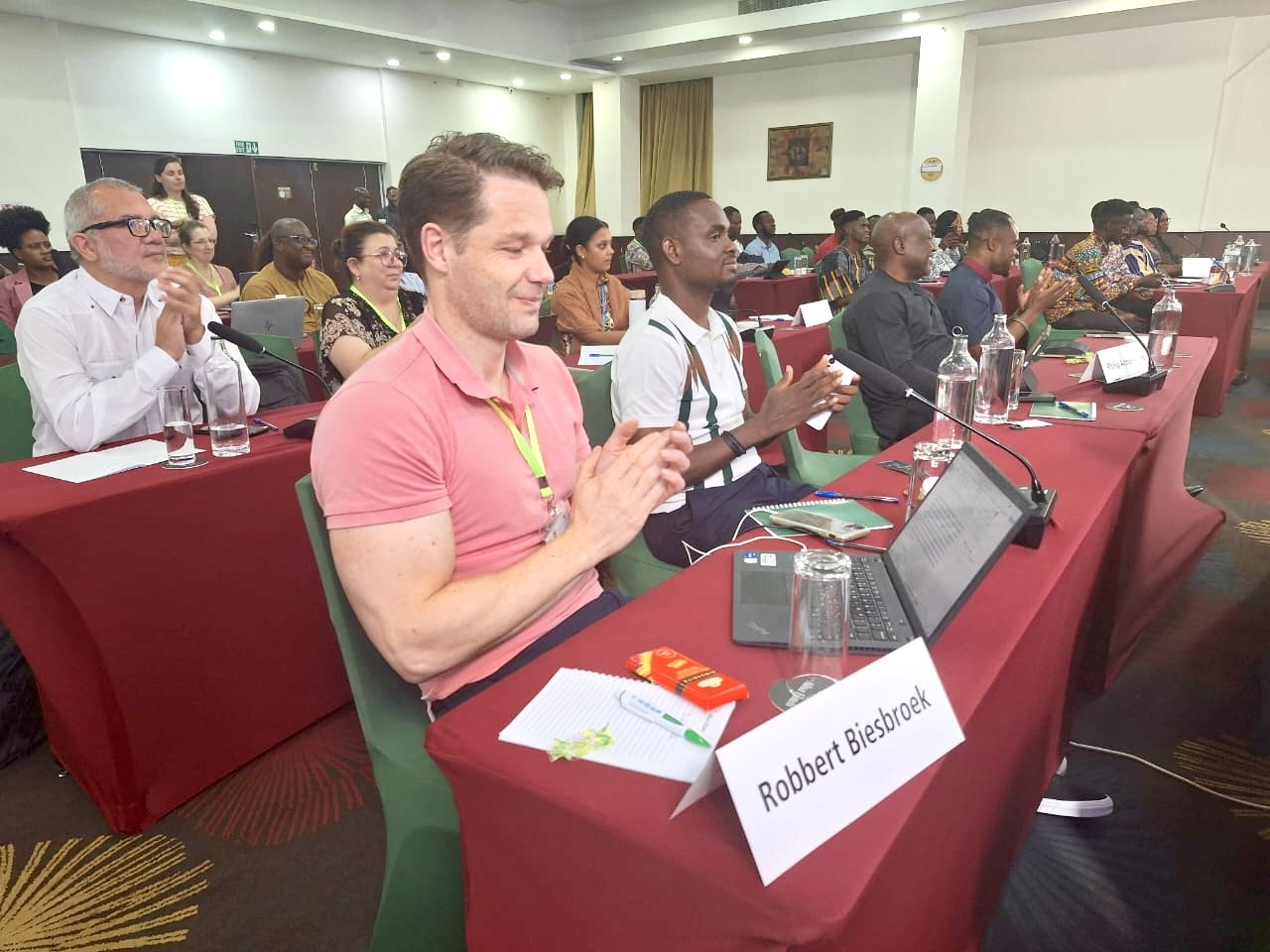
On March 4th 2026, at the Alisa Hotel, Accra- Ghana, the Environmental Protection Authority (EPA) of Ghana and the United Nations University- Institute of Natural Resources in Africa(UNU-INRA),collaborated to host an outreach event for the Intergovernmental Panel on Climate Change (IPCC) Expert Meeting on Methodologies, Metrics and Indicators for Assessing Climate Change Impacts and Adaptation. This outreach event was to highlight Ghana’s leadership in advancing scientific approaches to climate change adaptation within the IPCC Seventh Assessment Cycle (AR7).
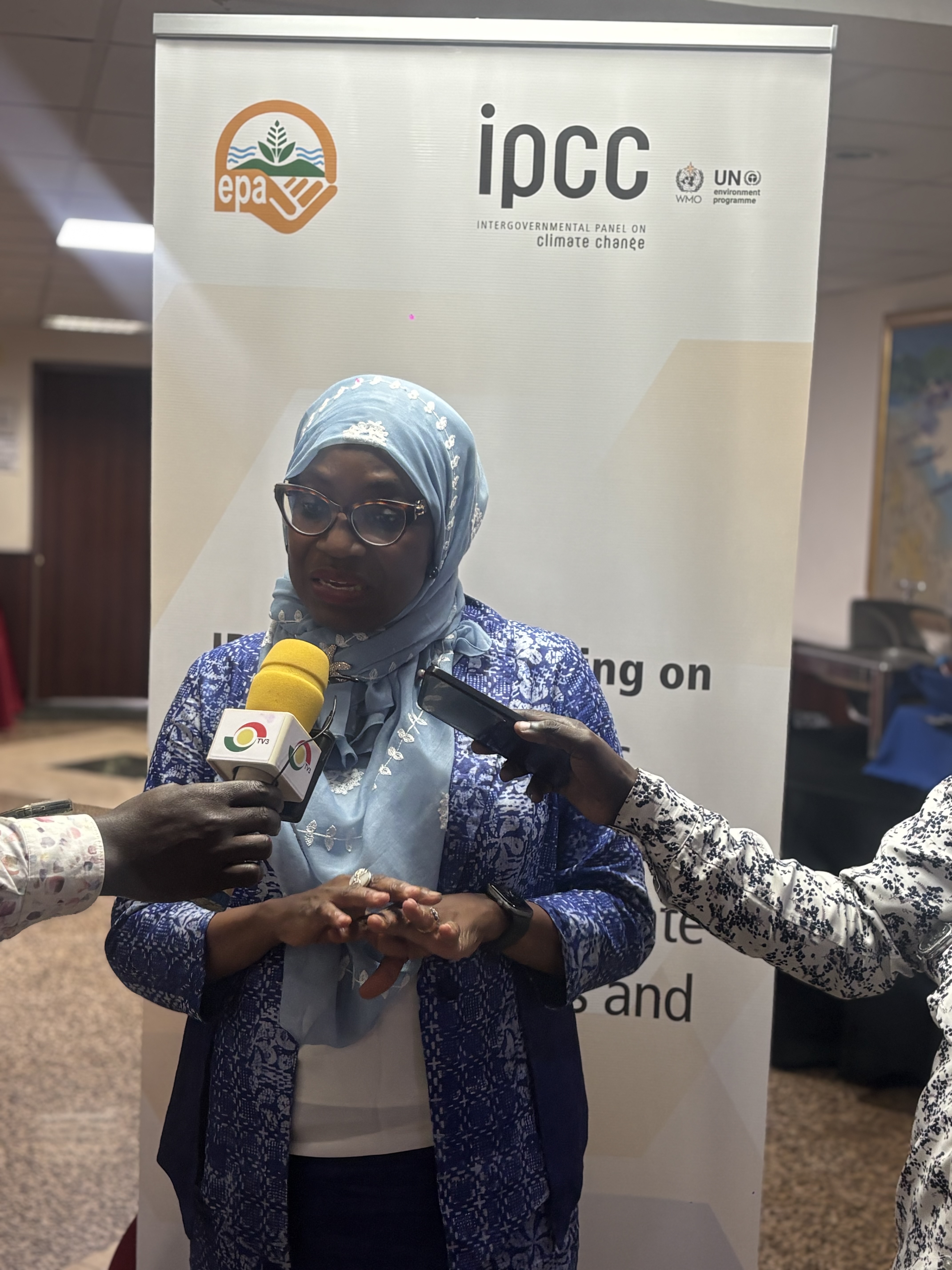
During the outreach Prof.Fatima Denton( Director, UNU-INRA) presented on “Adaptation: Whose Story Counts?”
The presentation emphasised that, adaptation to climate change is not just about infrastructure, finance, or indicators—it is about whose experiences are recognized and whose voices shape the narrative. Prof.Denton highlighted that “metrics and measurement systems play a central role in defining what counts as “success” in adaptation, but they are often biased toward visible outputs” (like drainage systems or flood barriers) rather than everyday outcomes (such as reduced illness, functioning clinics, or improved livelihoods).
The presentation pointed out the following key points:
- Metrics are political: They allocate attention, shape priorities, and steer finance. What gets measured tends to get funded, while harder-to-quantify community resilience often remains invisible.
- Health impacts are overlooked: Rising heat stress, shifting disease patterns, and strained health systems across West Africa show that adaptation must go beyond infrastructure.
- Scale matters: Local realities (household coping strategies) often disappear when aggregated into national or global indicators, masking vulnerability.
- Finance follows measurement: Adaptation funding flows to projects with clear, reportable metrics, sidelining informal and community-led initiatives.
Justice blind spots: Current frameworks normalize inequality and fail to capture structural barriers, leaving the most exposed communities unprotected.
Prof.Denton also called for better design principles arguing that, there needs to be a shift from outputs to outcomes, especially in regards to health and wellbeing. She also called for disaggregating data to reveal hotspots and high-risk groups and co-producing indicators with communities.
A key point she highlighted was the need to measure system performance under stress, not just assets built.Ultimately, she pointed out that adaptation metrics are not neutral—they reflect power, politics, and priorities. She concluded that, to ensure justice, adaptation must make vulnerable people visible, not just projects and infrastructure.
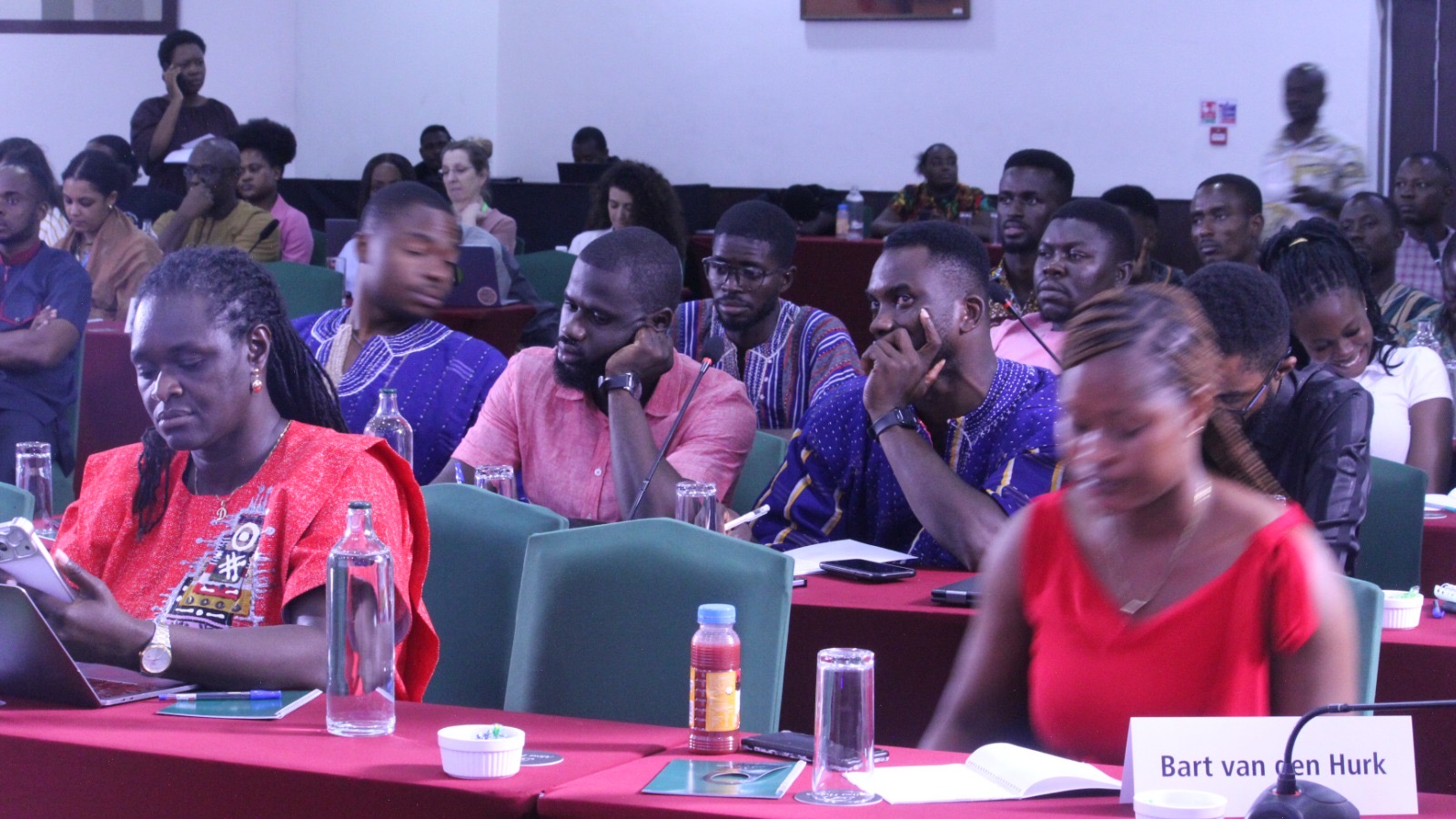
A panel on Operationalisation IPCC Findings and their implications for National Decision Making was also held with experts including Dr.Phillip Antwi( Associate Professor of Environmental Science at KNUST- Ghana) , Dr. Nana Antwi Boasiako Amoah( AGN Chair, EPA) and the IPCC Vice Chair.
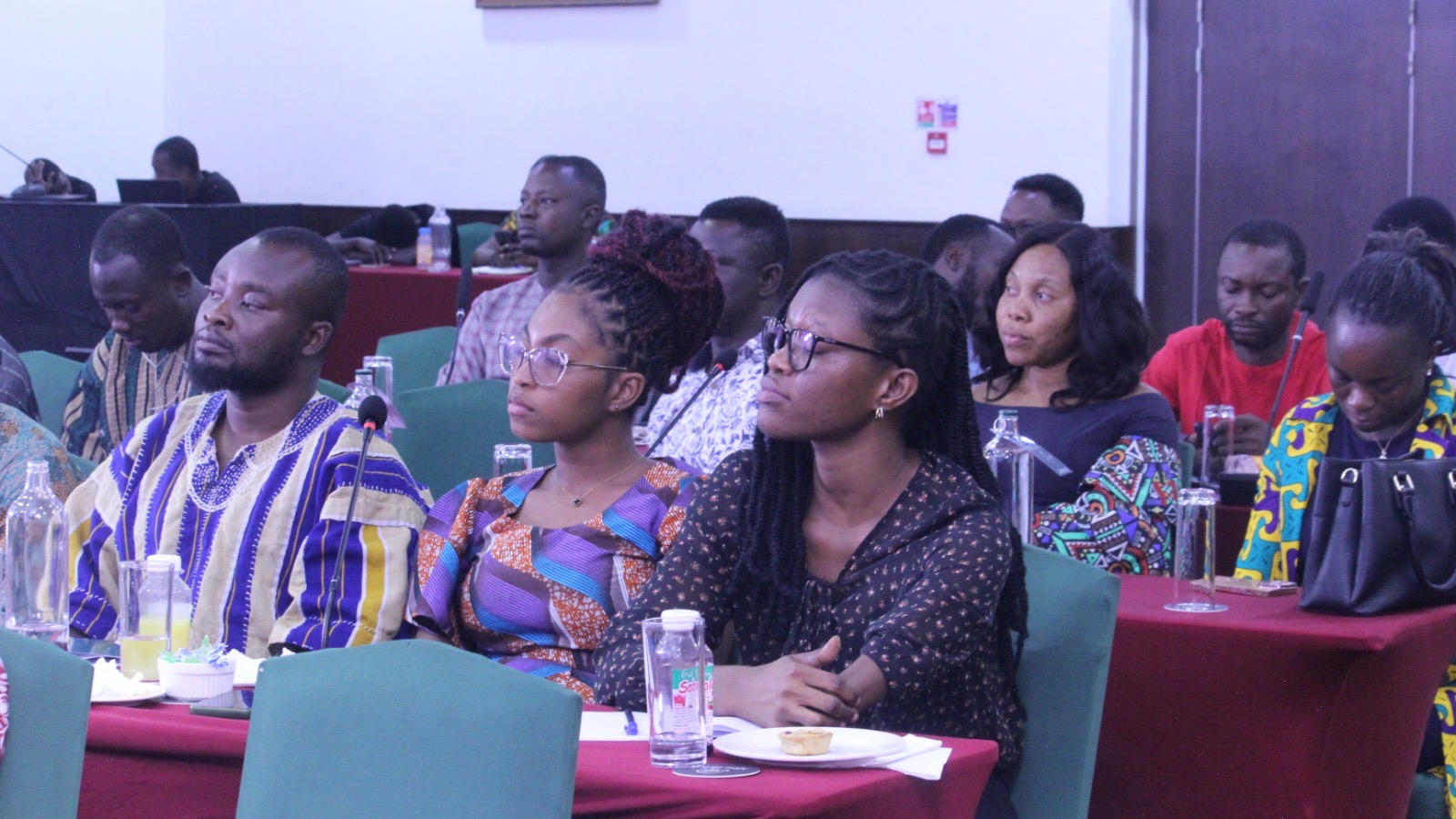
This outreach event brought together environmental and climate experts, academia(professors, Masters and PhD students from the University of Ghana), Government representatives and other International development agencies.
About IPCC
Established in 1988 by the World Meteorological Organisation (WMO) and the United Nations Environment Programme (UNEP), the IPCC is the world’s leading scientific body for assessing climate change. Its work provides governments at all levels with the most authoritative scientific evidence to guide climate policies, adaptation strategies, and international negotiations. By synthesizing scientific, technical, and socio-economic information, the IPCC ensures that decision-makers have the tools they need to respond effectively to the global climate crisis.
This high-level technical meeting was part of the Seventh Assessment Report (AR7) cycle and brought together, leading experts, practitioners, and policymakers from around the world to advance methodologies for assessing climate change impacts and adaptation. The meeting was to strengthen scientific approaches that help countries, especially those vulnerable to climate change, design effective adaptation strategies.