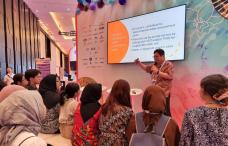


On 22 March 2026, UNU-IAS co-organized an online seminar to mark World Water Day 2026, focusing on the critical relationship between water, women and gender equality. The event featured presentations by experts in diverse fields, including human rights, gender studies, environmental science, disaster risk reduction and engineering, to examine how water policy and practice can more effectively promote gender equality.
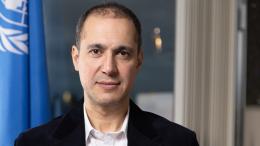
In opening remarks, Shinobu Yume Yamaguchi (Director, UNU-IAS) stressed that safe water and sanitation are fundamental human rights and critical drivers of gender equality, advocating for transformative, rights-based strategies and increased representation of women in leadership and decision-making roles.
Presenting the human rights perspective on water and health, Yasushi Katsuma (Academic Programme Advisor, UNU-IAS) noted that approximately 2.1 billion people lack access to safe water and 4.5 billion lack safe sanitation. He highlighted five essential dimensions of access: availability, accessibility, affordability, quality and safety, and underscored the importance of international cooperation and responsible industry practices, particularly in sectors like mining that can threaten water security.
Eiko Narita (Chief, UNFPA Tokyo) addressed the gender-specific impacts of flooding in Bangladesh and the vital function of dignity kits (hygiene materials and menstrual supplies) in safeguarding adolescent girls’ health and autonomy during crises. She advocated disaster risk reduction and budgeting processes that address the unique needs of adolescent girls to mitigate harmful coping mechanisms, including child marriage.
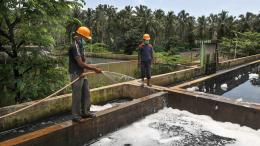
Pham Ngoc Bao (Research Director, Sustainable Consumption and Production Area, Institute for Global Environmental Strategies) discussed river basin reporting and decentralized sanitation as strategies for achieving more resilient, gender-sensitive water management.
Sharing insights from disaster recovery in the Philippines, Miko Maikawa (Senior Research Fellow, Sasakawa Peace Foundation; Visiting Professor, Tohoku University International Research Institute of Disaster Science) noted ongoing challenges to livelihoods and access to safe water, and called for the integration of water and sanitation services in disaster recovery planning.
From an engineering and design standpoint, Kensuke Fukushi (Director, Institute for Future Initiative, University of Tokyo) introduced independent, solar-powered toilets that use membrane bioreactor technology, providing privacy, hygiene and adaptability in both disaster and non-disaster situations.
Panelists stressed the importance of co-design, data-driven approaches, and locally tailored, future-oriented solutions that consider trade-offs at personal, community, economic and planetary levels. Key discussions centered on how to effectively collaborate across disciplines when addressing water issues, the challenges of working at different levels (personal, community, economic and planetary), and the critical interlinkages between SDG 6 (water and sanitation) and SDG 5 (gender equality).