

Alongside the UN Climate Summit, UNU-FLORES and its partners initiated a dialogue on the “just transition” – the process of shifting from a coal-based economy to a sustainable and equitable future. The conversation unfolds on two critical stages: a hands-on regional workshop in Germany's Lusatia coalfields and a dynamic capacity-building session at the UNFCCC COP30. This twin-event approach underscores a core tenet of a just transition: effective solutions require robust institutional capacity building that links deep local expertise with global networks and policy frameworks.
Twin event 1: Grounding the transition in local reality – Lusatia workshop
From theory to terrain: A Lusatian workshop on post-mining futures
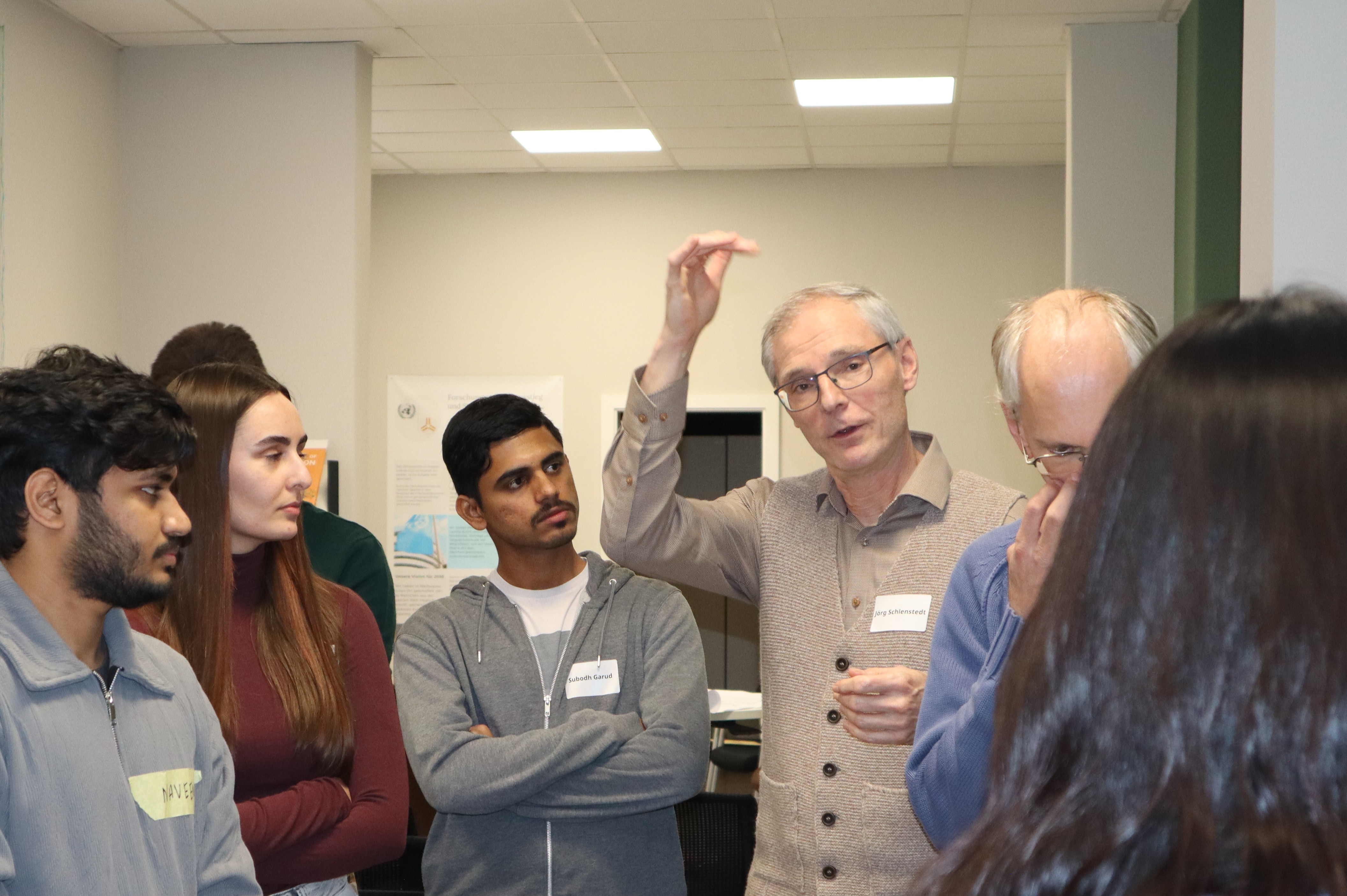
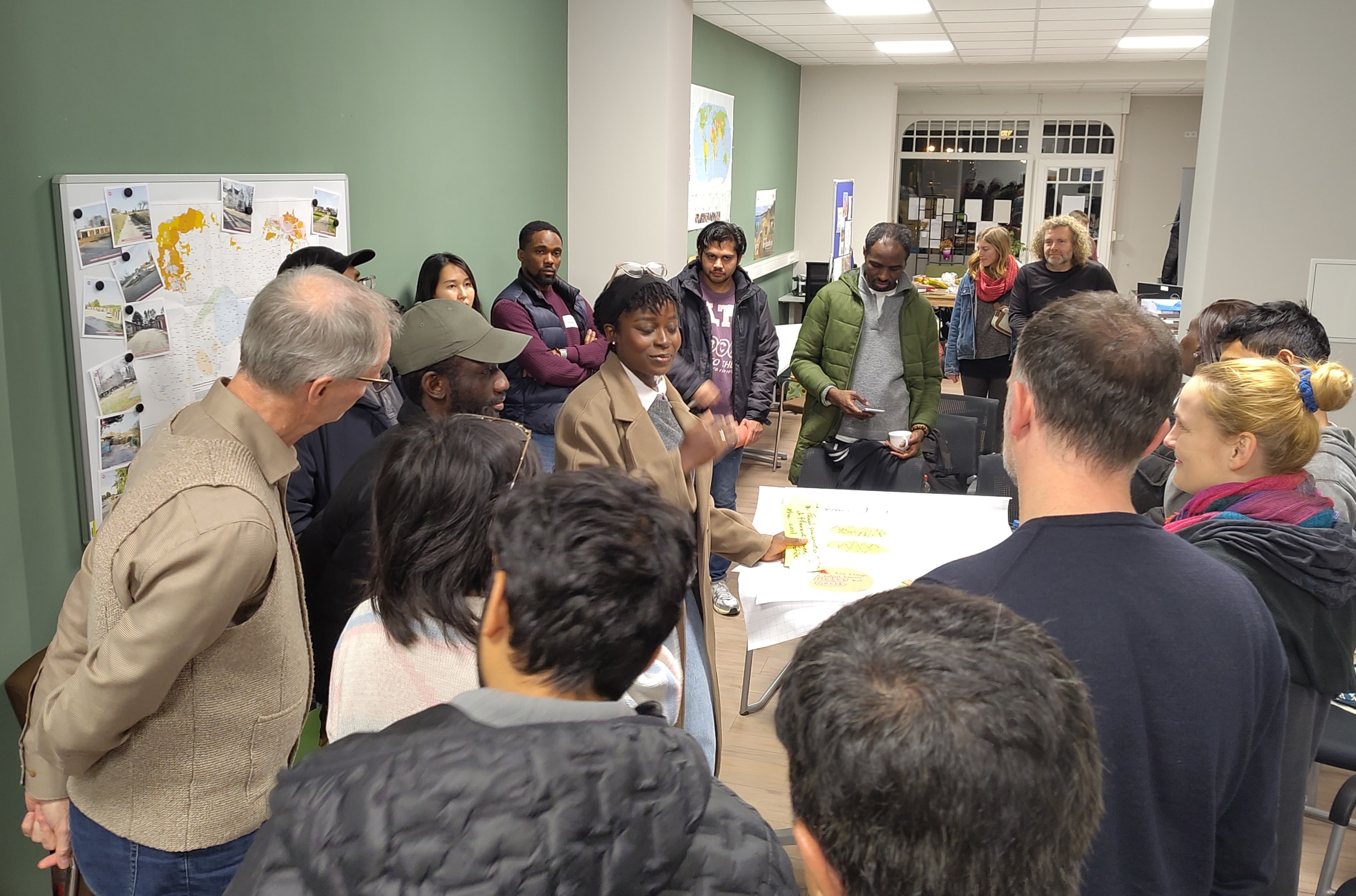
On 14 November 2025, 30 experts, researchers, and local stakeholders convened in Weisswasser, Lusatia, for a hands-on workshop titled “Shaping Lusatia's Future: Regional Perspectives and Global Insights.” Co-organised by UNU-FLORES and the IHI Zittau of Dresden University of Technology, the event directly engaged with the region's ongoing transformation.
The program was designed to build shared understanding and collaborative capacity through a structured dialogue:
- Session “Lusatian Post-Mining Landscapes: Current Challenges and Opportunities” featured regional experts from research institutes and the mining administration.
- In the session “Global Perspectives on Post-Mining Transitions,” UNU-FLORES researchers created international comparative learning environment.
- Session “Collaborative Action: Painting Utopia,” was a practical backcasting workshop. Participants worked in groups to envision a desired future for Lusatia and map the steps needed to get there.
- The day culminated with a field tour to active and rehabilitated mining sites to ground the day’s discussions in the physical reality of the landscape.
This workshop exemplifies capacity building at the community and regional level, creating a shared knowledge base and collaborative networks essential for planning a just transition.
Twin event 2: Scaling solutions on the global stage – UN Climate Summit session
Empowering change: Building Institutional capacities for a Gender-Just Transition at COP30
On 15 November 2025, the focus shifted to the global arena at the UN Climate Summit (COP30) in Belém, Brazil. UNU-FLORES, in partnership with UNU-VIE, led a session titled “Empowering Change: Building Capacities for Gender-Just Energy Transitions.”
This 90-minute interactive session was built around the premise that strengthening institutions—from universities to NGOs—is key to accelerating an equitable energy transition. It moves beyond individual training to focus on systemic, institutional capacity-building tools.
- Format: the session employed dynamic formats like a fishbowl dialogue and World Café discussions, with grassroots organizations from Ecuador, Bolivia, and Cameroon, alongside researchers and practitioners.
- Core tools showcased: the event highlighted practical, replicable models for institutional learning, including Training of Trainers (ToT) frameworks and the development of Communities of Practice.
- Interactive outcome: a central feature was a participatory pitch session, where attendees co-created and presented their own ideas for capacity-building initiatives, directly applying the lessons shared.
- Leadership: the session was opened by Professor Edeltraud Guenther, Director of UNU-FLORES, and moderated by Dr. Ambe Emmanuel Cheo of UNU-VIE.
A Unified Vision for Systemic Change
Together, these twin events embody a comprehensive approach to a just transition. The Lusatia workshop builds local capacity by integrating regional knowledge with global insights and fostering collaborative visioning. The COP30 session amplifies these lessons globally, providing institutional frameworks and creating a platform for cross-continental exchange.
This one-two punch of local action and global advocacy underscores a critical message: a successful and just transition from coal requires more than technology or policy. It requires investing in the human and institutional capital capable of designing, implementing, and sustaining inclusive futures. By bridging the specific challenges of a German coal region with the universal need for gender equity and institutional strength, UNU-FLORES and its partners are helping to build the foundational capacities for a fair and sustainable world.
Suggested citation: "Twin events on capacity building for a Just Transition after coal: Bridging local action and global policy ," United Nations University, UNU Resource Nexus, 2025-12-05, https://unu.edu/resource-nexus/article/twin-events-capacity-building-just-transition-after-coal-bridging-local-action-and.