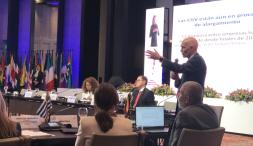


KUALA LUMPUR, MALAYSIA — AUGUST 29, 2026 — The Southeast Asia Women Citizen Dialogue (SEA-WCD Malaysia) brought together government officials, United Nations representatives, academics, athletes, women leaders and young people on August 29 at Bangi Resort Hotel to address gender equality, women’s leadership, barriers facing women athletes and the safety and empowerment of women and girls.
The dialogue was hosted by Guardian Girls International (GGI) and co-hosted by Guardian Girls Malaysia (GGM), United Nations University International Institute for Global Health (UNU Global Health), United Nations Population Fund (UNFPA) in Malaysia, Universiti Kebangsaan Malaysia (UKM) and the Olympic Council of Malaysia, in collaboration with the Japan Foundation Kuala Lumpur, Malaysia Ju-Jitsu Federation, Malaysia Judo Federation, Malaysia National Silat Association, Aikido Shudokan Malaysia and Malaysia Karate Federation.
The program ran from 9:00 a.m. to 2:00 p.m., bringing together institutions from across government, the United Nations, academia, the Olympic movement and Malaysia’s combat sports community.
Engaging the Next Generation
A key feature of SEA-WCD Malaysia was the participation of approximately 50 university students invited by Universiti Kebangsaan Malaysia. The students took part in the Guardian Girls combat sports seminars and had the opportunity to learn directly from speakers and panelists throughout the day. They engaged with discussions addressing women’s leadership, gender equality, barriers facing women athletes, and the importance of safety and empowerment. Their participation brought a youth perspective to the dialogue and connected the day’s policy discussions with the next generation of Malaysian leaders.
Opening remarks were delivered by Shin Koyamada, Chairman and Secretary General of Guardian Girls International; Kitaoka Tatsuya, Counsellor and Director of the Japan Information Service at the Embassy of Japan in Malaysia; and YBhg. Kol (K) Prof. Dato’ Dr. Sufian Jusoh, Vice-Chancellor of Universiti Kebangsaan Malaysia.
Officiation Ceremony
A keynote address was delivered by En Mohd Daud bin Mohd Arif, Deputy Secretary-General (Policy), Ministry of Women, Family and Community Development. The keynote formed part of the formal Officiation Ceremony.
The ceremony continued with a ribbon-cutting by representatives of the SEA-WCD Malaysia co-hosting organizations, formally marking the opening of the dialogue.
As part of the same Officiation Ceremony, Carolina Koyamada, President of Guardian Girls International, presented a commemorative gift recognizing the collaboration and shared commitment of the participating organizations.
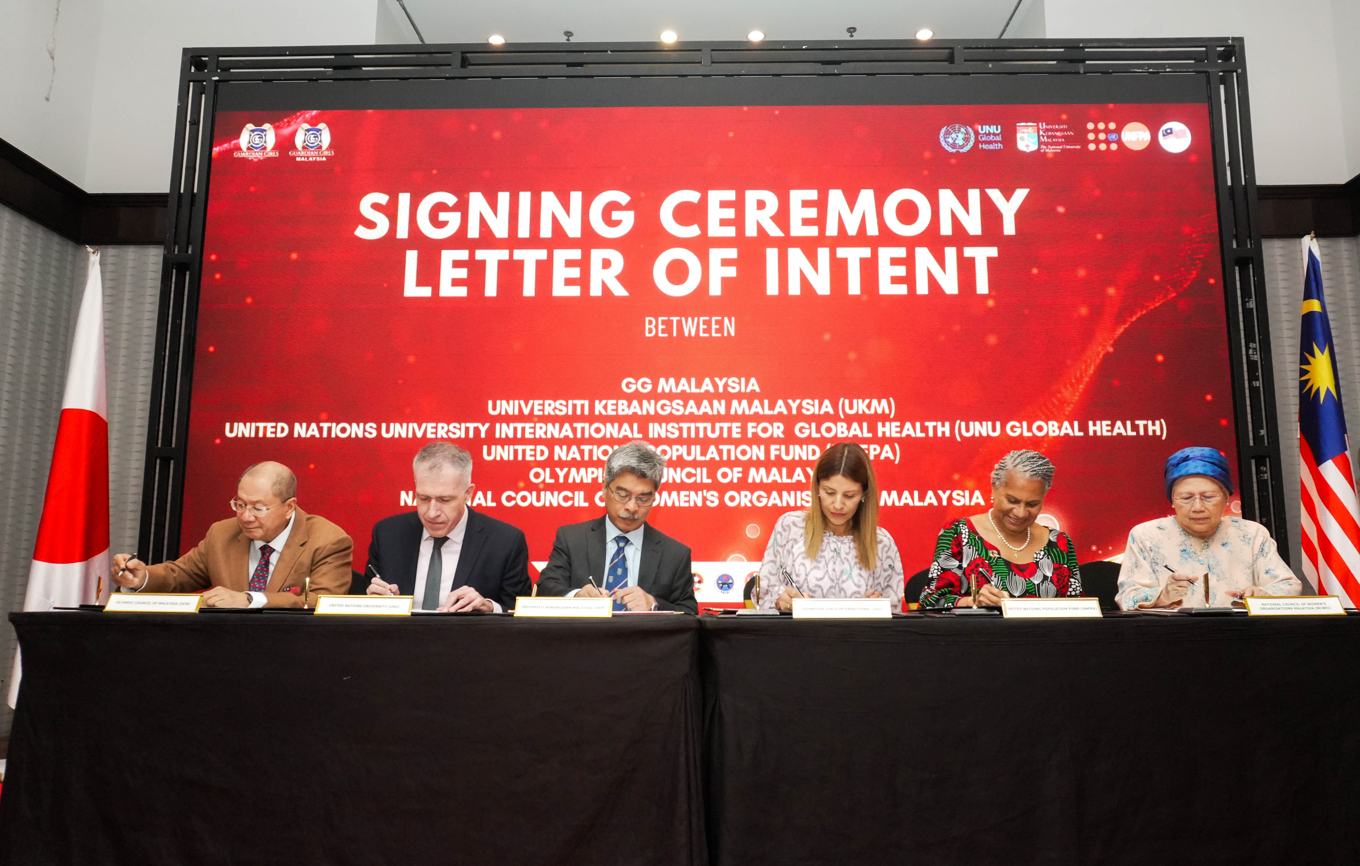
The ceremony was followed by the signing of Letters of Understanding (LOUs) involving Guardian Girls Malaysia, United Nations University International Institute for Global Health (UNU Global Health), Universiti Kebangsaan Malaysia, United Nations Population Fund (UNFPA) in Malaysia, the Olympic Council of Malaysia and the National Council of Women’s Organisations Malaysia.
From Dialogue to Action
Following the Officiation Ceremony, participants witnessed Guardian Girls demonstrations featuring Ju-Jitsu, Judo, Aikido and Pencak Silat. The demonstrations illustrated how combat sports can serve not only as competitive disciplines, but also as practical tools for building confidence, discipline, resilience and self-protection. The program then moved into two major forums addressing women’s participation in sport and women’s leadership.
Safe to Compete, Strong to Lead
The first forum, “Safe to Compete, Strong to Lead: Confronting Systemic Barriers for Malaysian Women Athletes,” was moderated by Dr. Shakila Mazalan of UKM. Panelists included Nurul Huda Abdullah OLY of the Olympic Council of Malaysia, Cassandra J. Poyong of Ju-Jitsu, and Maheswari Kanniah, former National Hockey Captain. The discussion examined systemic barriers affecting women athletes and explored the conditions needed for women to participate, compete and ultimately lead.
Beyond the Glass Ceiling
The second forum, “Beyond the Glass Ceiling: Confronting Structural Barriers and Cultivating Resilience for Women’s Leadership in Malaysia and ASEAN,” was moderated by Dr Sergo Chikhladze of UNU Global Health. The panel featured Prof. Emerita Tan Sri Dato’ Seri Dr. Sharifah Hapsah Syed Hasan Shahabudin of the National Council of Women’s Organisations Malaysia, Prof. Dato’ Dr. Marina Mat Baki of UKM, and Tengku Aira Tengku Razif of UNFPA. The discussion examined structural barriers affecting women’s advancement and the importance of cultivating resilience and creating greater opportunities for women to assume leadership roles in Malaysia and throughout ASEAN.
From Dialogue to Practical Empowerment
The program concluded with Guardian Girls Ju-Jitsu and Guardian Girls Aikido seminars, giving participants an opportunity to experience practical combat sports-based empowerment. For the university students and other participants, the seminars provided a practical extension of the day’s discussions, connecting conversations about women’s safety and empowerment with confidence-building and self-protection skills. The combination of dialogue, institutional cooperation and practical education reflects the Guardian Girls approach of connecting policy with action.
Shin Koyamada, Chairman and Secretary General of Guardian Girls International, said: “The SEA-WCD Malaysia demonstrates the power of bringing key stakeholders together to build a safer, stronger Malaysia. Through sports, dialogue and education, we can create meaningful opportunities for women and girls to lead, participate and thrive.”
Carolina Koyamada (Nia Lyte), President of Guardian Girls International, said: “Sports have tremendous power to advance gender equality and empower women and girls. When combined with dialogue and education, sports can help build confidence, resilience and leadership while creating stronger communities and opportunities for women to lead.”
SEA-WCD Malaysia represents an important step in strengthening regional cooperation around women’s empowerment and safety, while connecting Malaysia’s national efforts with the wider Guardian Girls movement across Southeast Asia.
The event demonstrated the importance of bringing together government, international organizations, academia, sport and young people to create meaningful pathways toward greater gender equality and a safer, stronger future for women and girls.